Chic Streets, Steep Slopes. Paris to the French Alps 2026
Getting There
Early booking paid off, landing us discounted business class seats on Air France’s nonstop route from New York to Paris. The airline currently runs both the Boeing 777-300ER and the Airbus A350-900 on this route, and either is a solid choice.
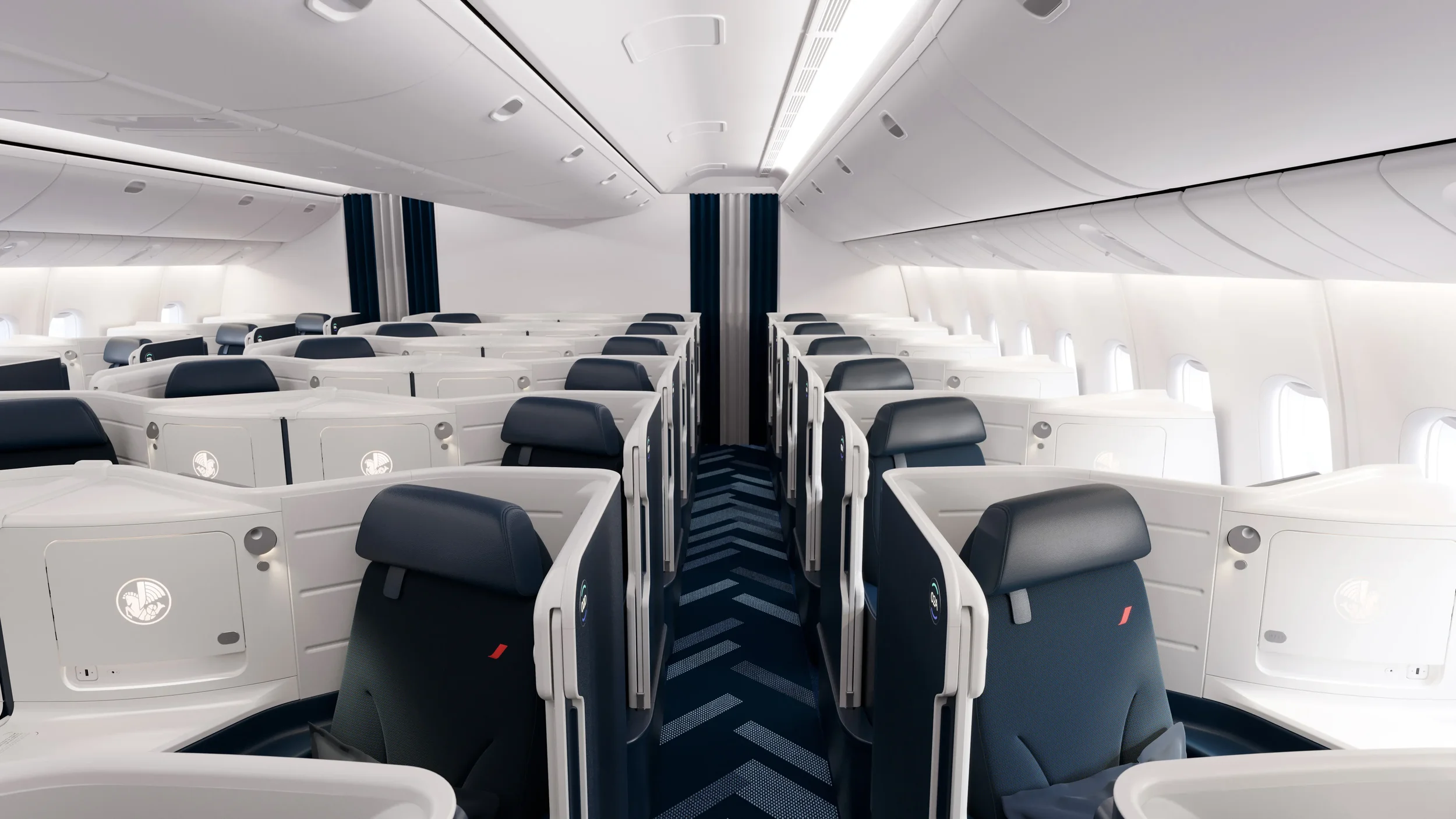
For the outbound, a night flight is the move. Sleep early, wake up in Paris, and give jet lag as little leverage as possible. The 777-300ER features Air France’s new business class suite, a 48-seat herringbone layout in a 1:2:1 configuration. Unlike some staggered designs, there’s no need to play the odd-or-even seat game. Every aisle seat offers the same level of privacy. While the cabin on the 777 can feel cramped given the space allocation for La Premiere, once you seat is reclined fully there is just enough space to feel comfortable, even allowing side sleepers some space for their arms.
The A350-900 delivers a nearly identical experience, with a modern cabin, suite-style seating, and privacy doors. Different aircraft, same idea. Comfortable, quiet, and exactly how you want to start a winter trip to Paris. Unfortunately due to operational issues our aircraft was swapped out for an older 777-200. The experience was just fine, but not as updated fresh of an interior experience.
If budget were no object, we’d happily splurge on La Première, one of the best first class products in the sky…maybe next time.
Paris as Base Camp
Where we Stayed
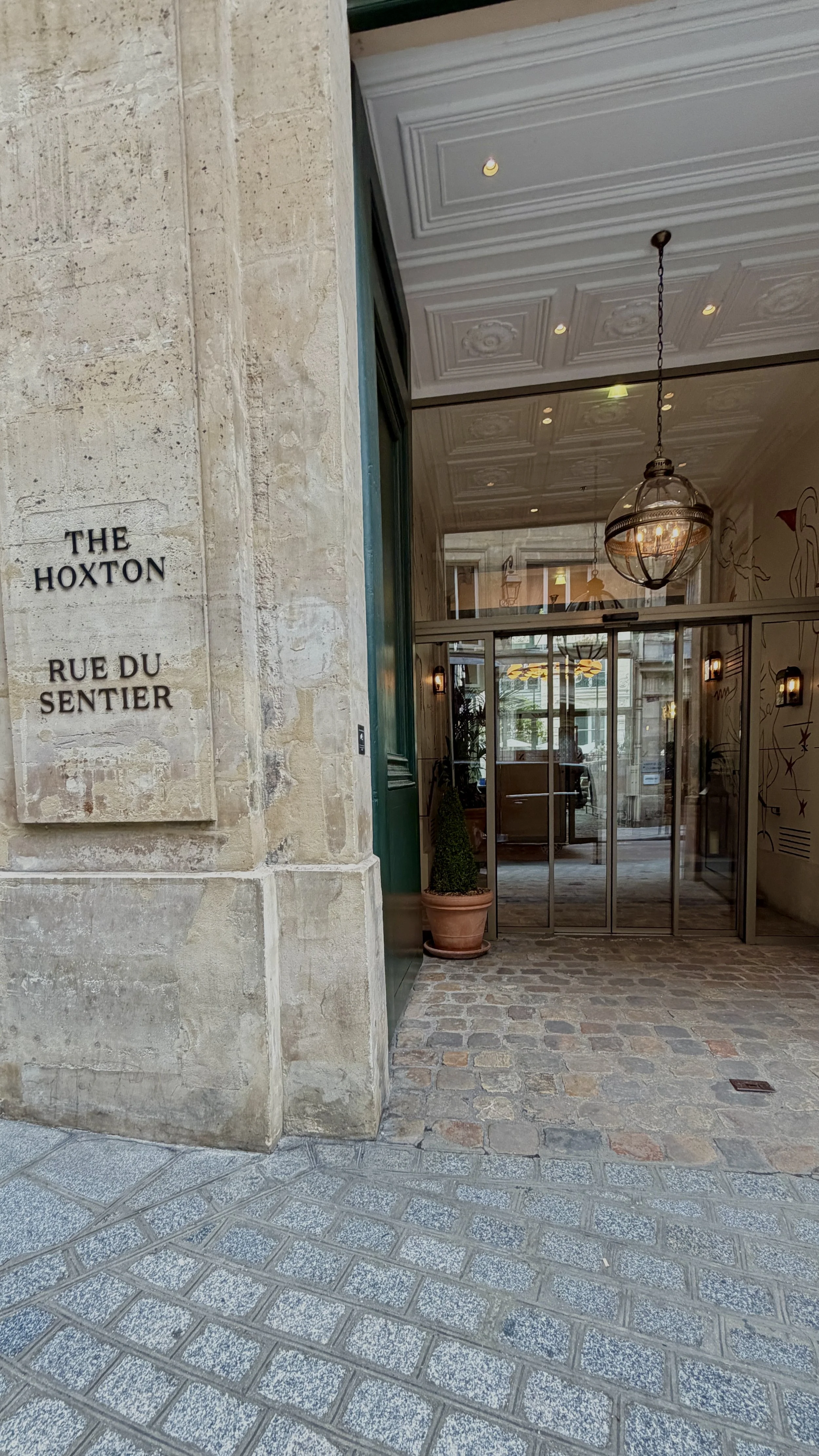
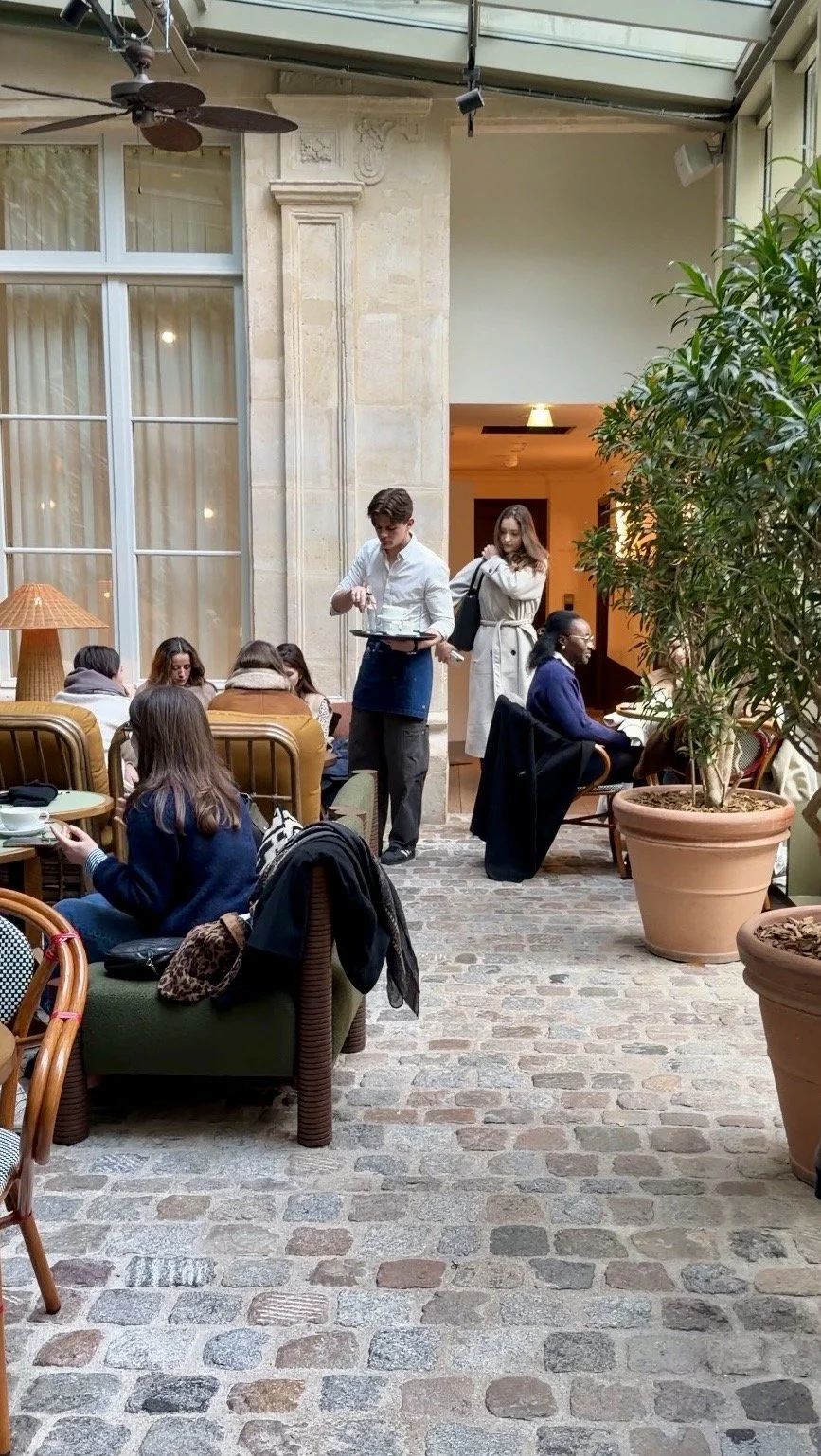
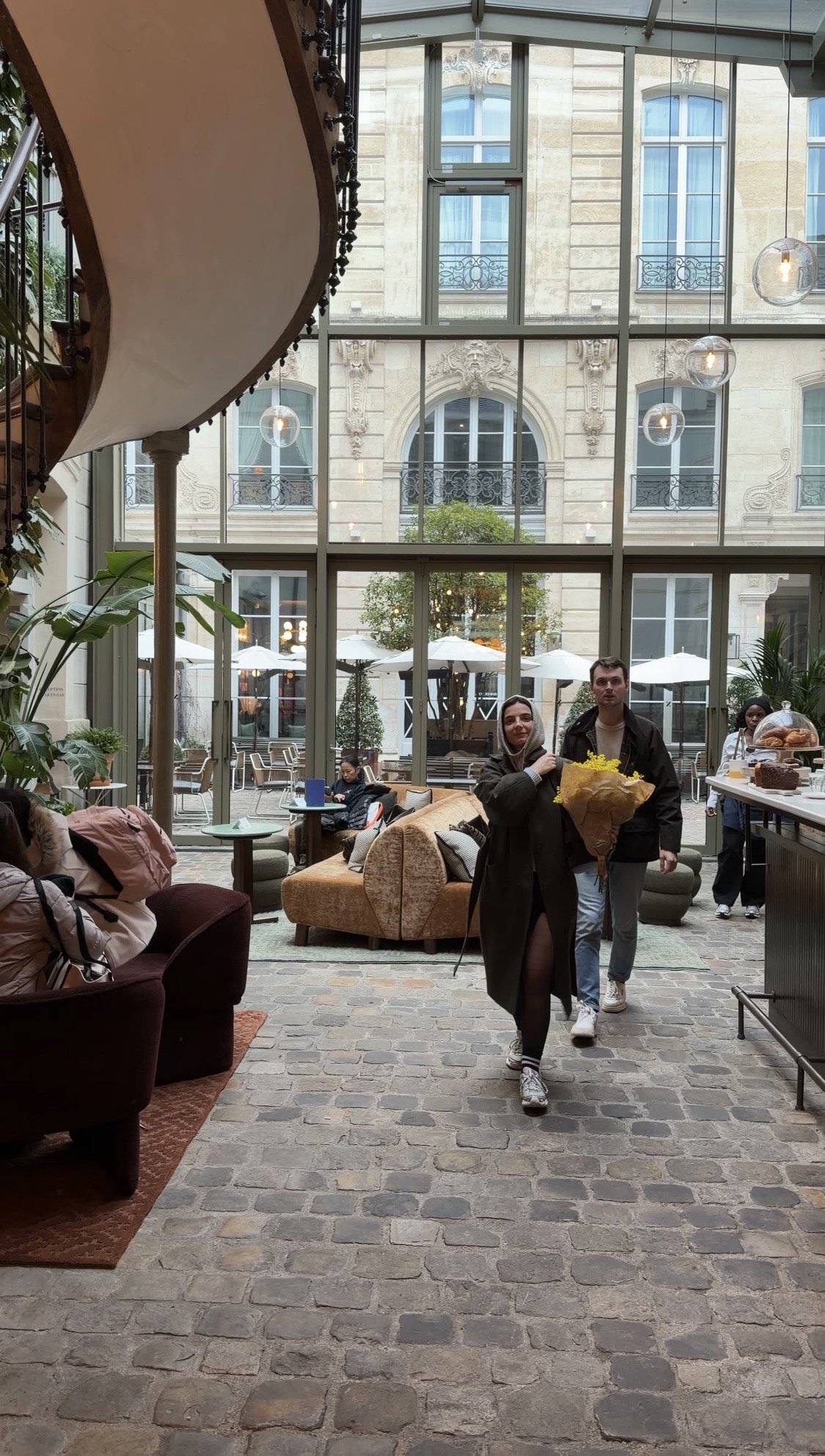
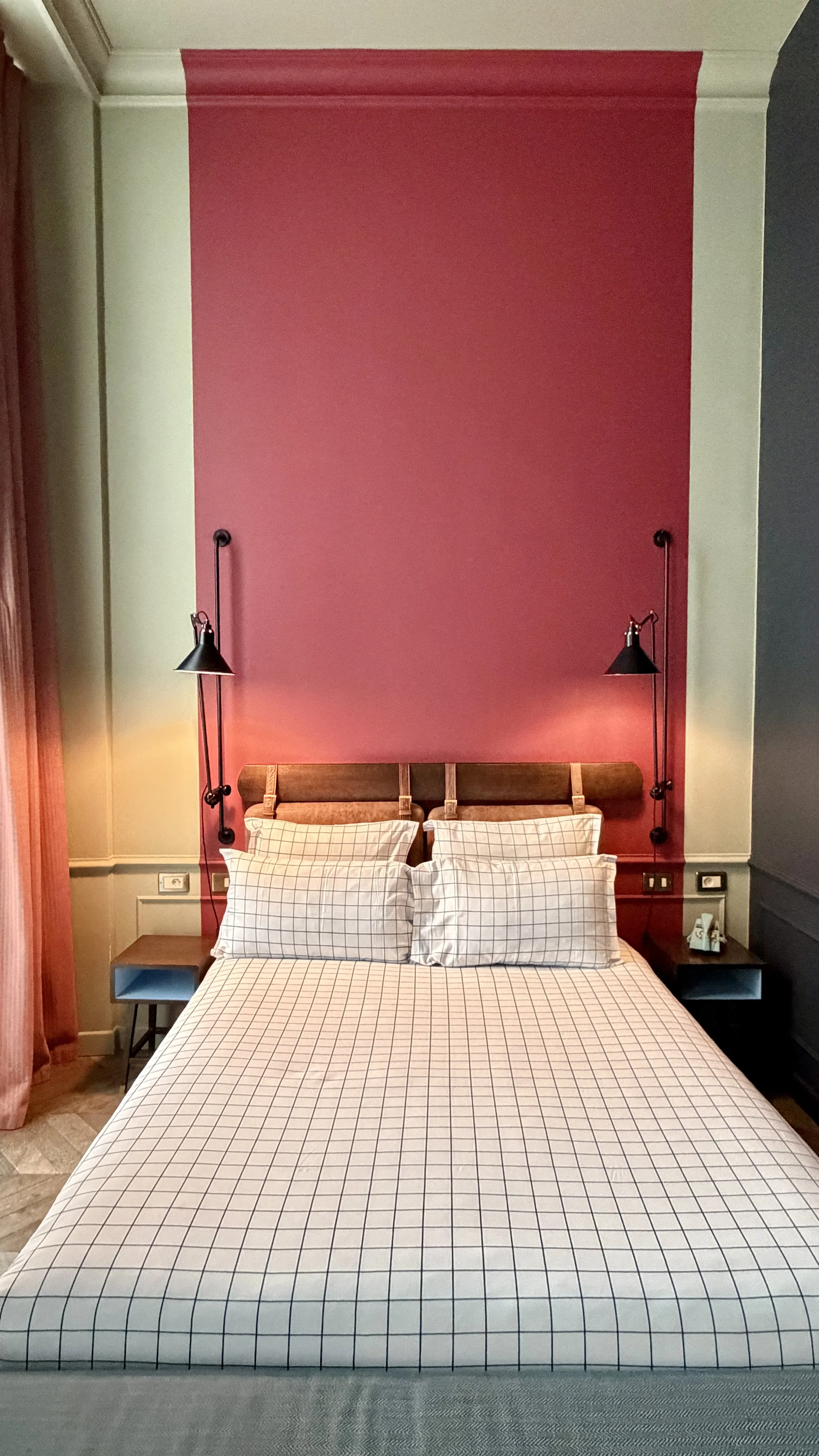
The Hoxton: Defined by historic bones, modern energy, and a lobby that doubles as a living room for locals who look like they know where to eat next. Tucked into the 2nd arrondissement, it is perfectly placed for wandering without a plan and always landing somewhere good.
Despite its large footprint, The Hoxton feels more like a quaint boutique hotel. Upon entering, you are welcomed by several seating areas where locals and travelers mingle, work, or simply soak up the scene. We were offered a complimentary upgrade, late checkout, and a cash credit for booking through American Express.
The rooms have high ceilings, and ours faced a charming courtyard, though overall square footage is on the smaller side. A few drawbacks stood out, including the lack of a welcome team at the entrance to assist with luggage, leaving guests to navigate the cobblestone courtyard bar while searching for reception. The beds were extremely soft and not especially comfortable, which had us missing our rock-hard mattress at home.
On the plus side, the hotel’s aesthetic is welcoming, warm, and cool in that effortlessly Parisian way. The staff, including the property manager, were lovely and made a genuine effort to ensure our comfort throughout the stay.
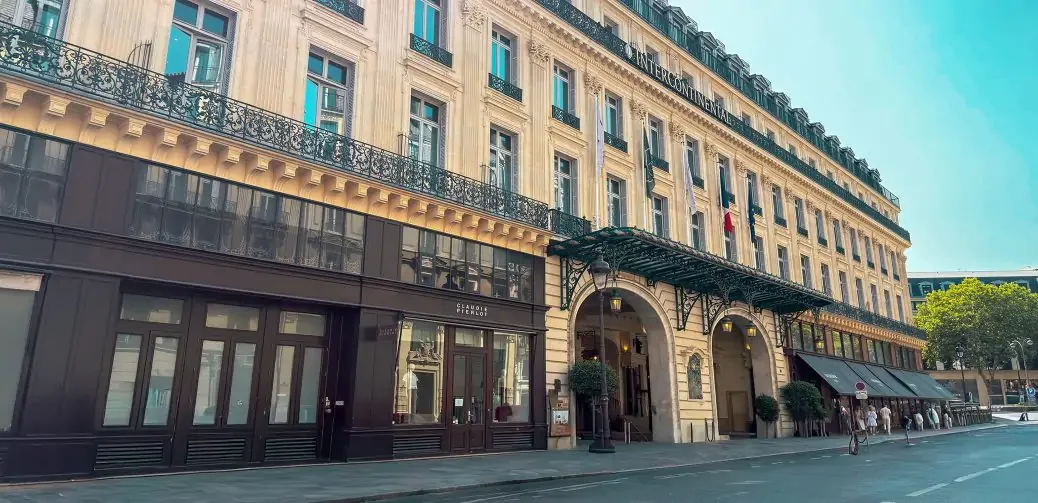
Intercontinental Paris: Two quick nights at the InterContinental Paris Le Grand felt like pressing pause in the most cinematic way possible before flying back to New York. Set beside the Opéra Garnier since 1862, the hotel carries that polished Second Empire glamour with ease. Gilded moldings, sweeping staircases, velvet under soft lighting.
There is history in the walls here. Café de la Paix next door has hosted artists, politicians, and probably a few dramatic breakups. Even if your stay is brief, you feel plugged into that lineage. Morning espresso under crystal chandeliers hits differently when you know Paris has been doing this for over a century. The breakfast buffet is fabulous and is accompanied by outstanding service. For a quieter breakfast or snack pop into the executive lounge if you have access.
We booked through the Amex Travel portal using points, which felt like a savvy little victory lap. The perks were real: 4 p.m. late checkout, breakfast included, and access to the executive lounge
I would suggest asking for a higher floor room, as the metro does run directly adjacent to the hotel and at times you can feel the vibrations. The rooms do have that old world charm but can use a few general upgrades.
https://www.ihg.com/intercontinental/hotels/gb/en/paris/parhb/hoteldetail
Where we ate
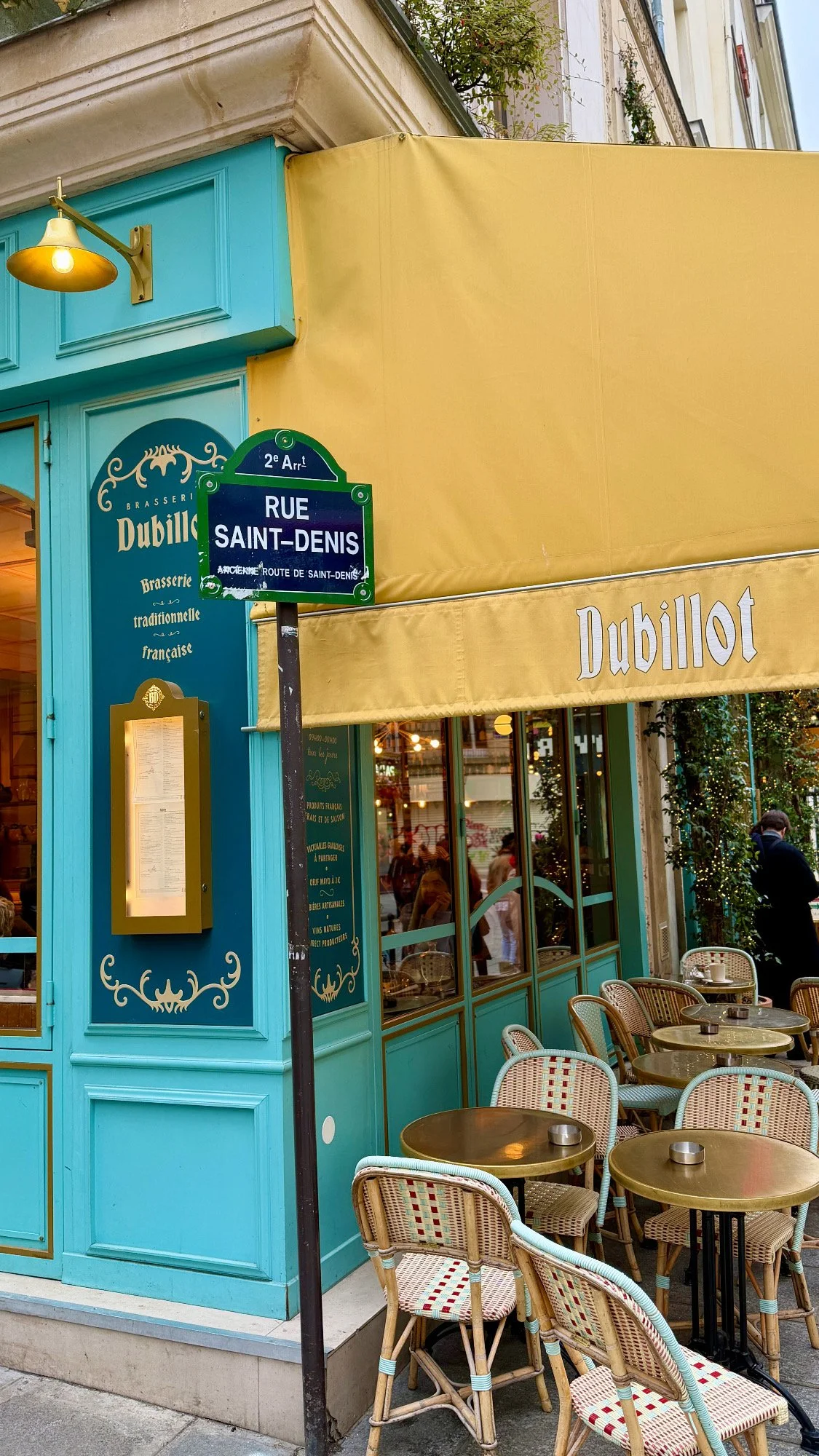
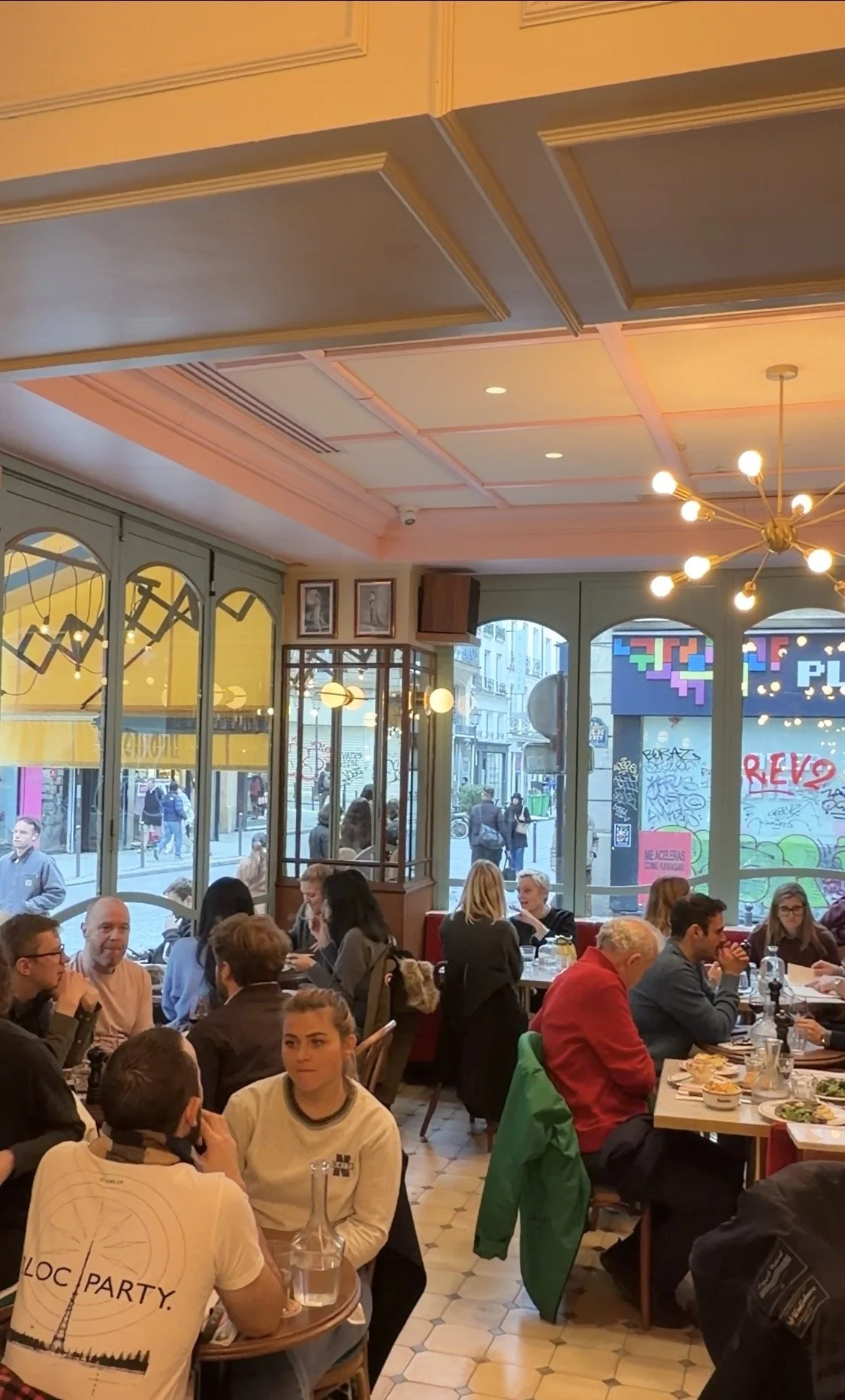
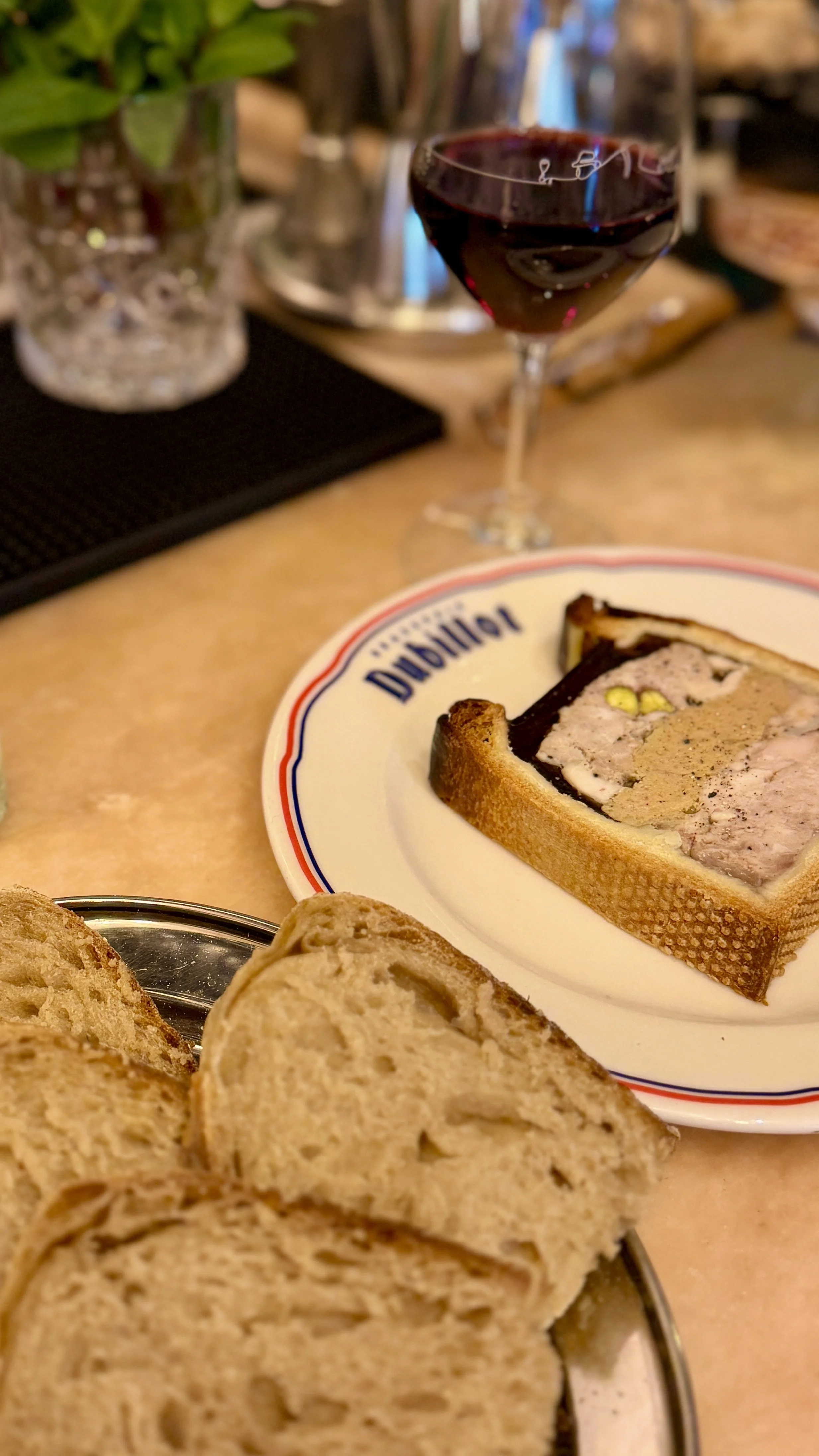
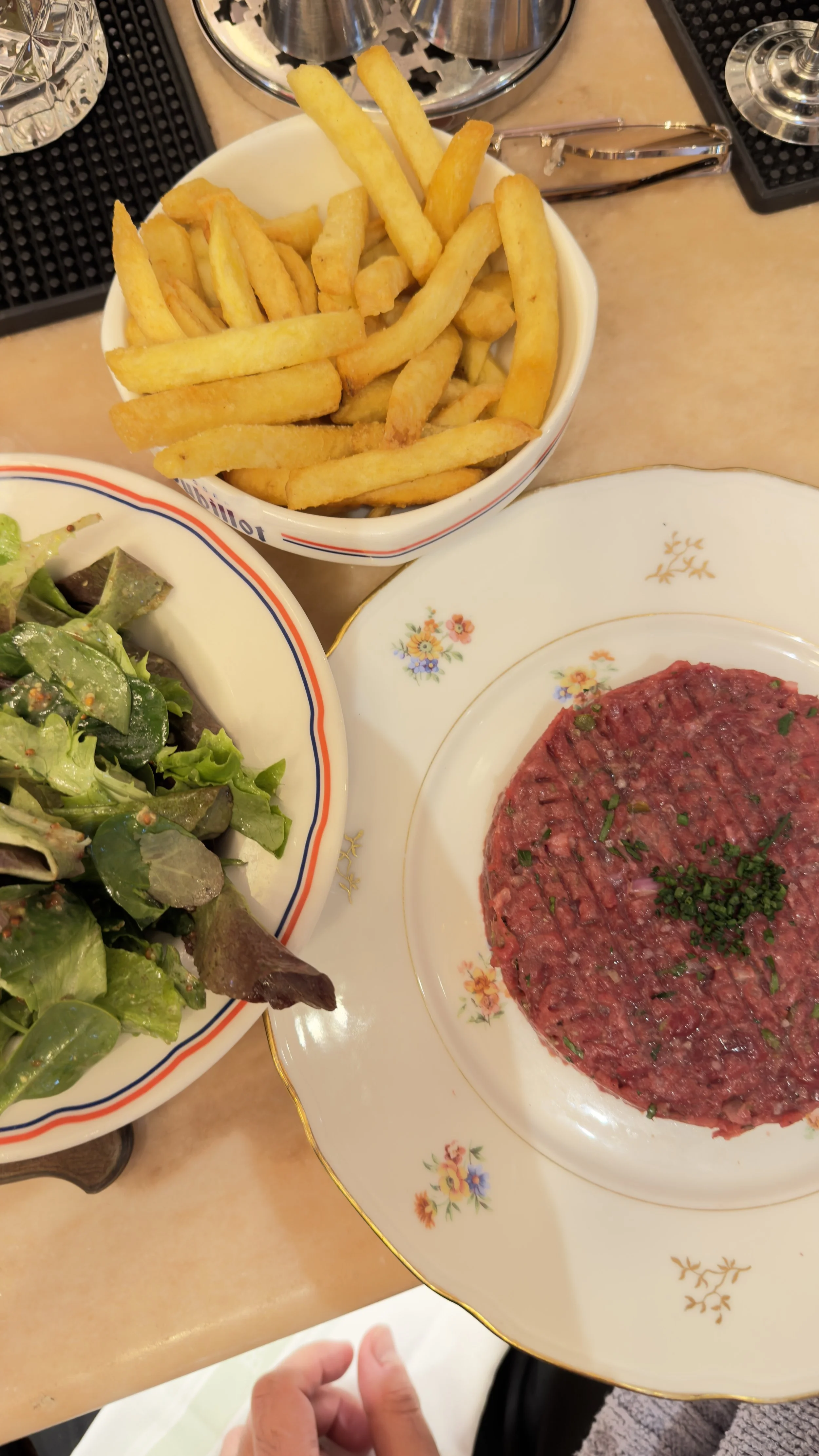
Dubillot: Dubillon was our accidental first stop in Paris, the kind that happens when hunger and curiosity align just right. We popped in for a quick brunch bite after arriving and immediately felt the city snap into focus.
Simple, unfussy plates, good coffee, and a room that hums without trying too hard. Nothing precious, nothing rushed. Just the perfect reminder that in Paris, even a random meal can feel like a small win.
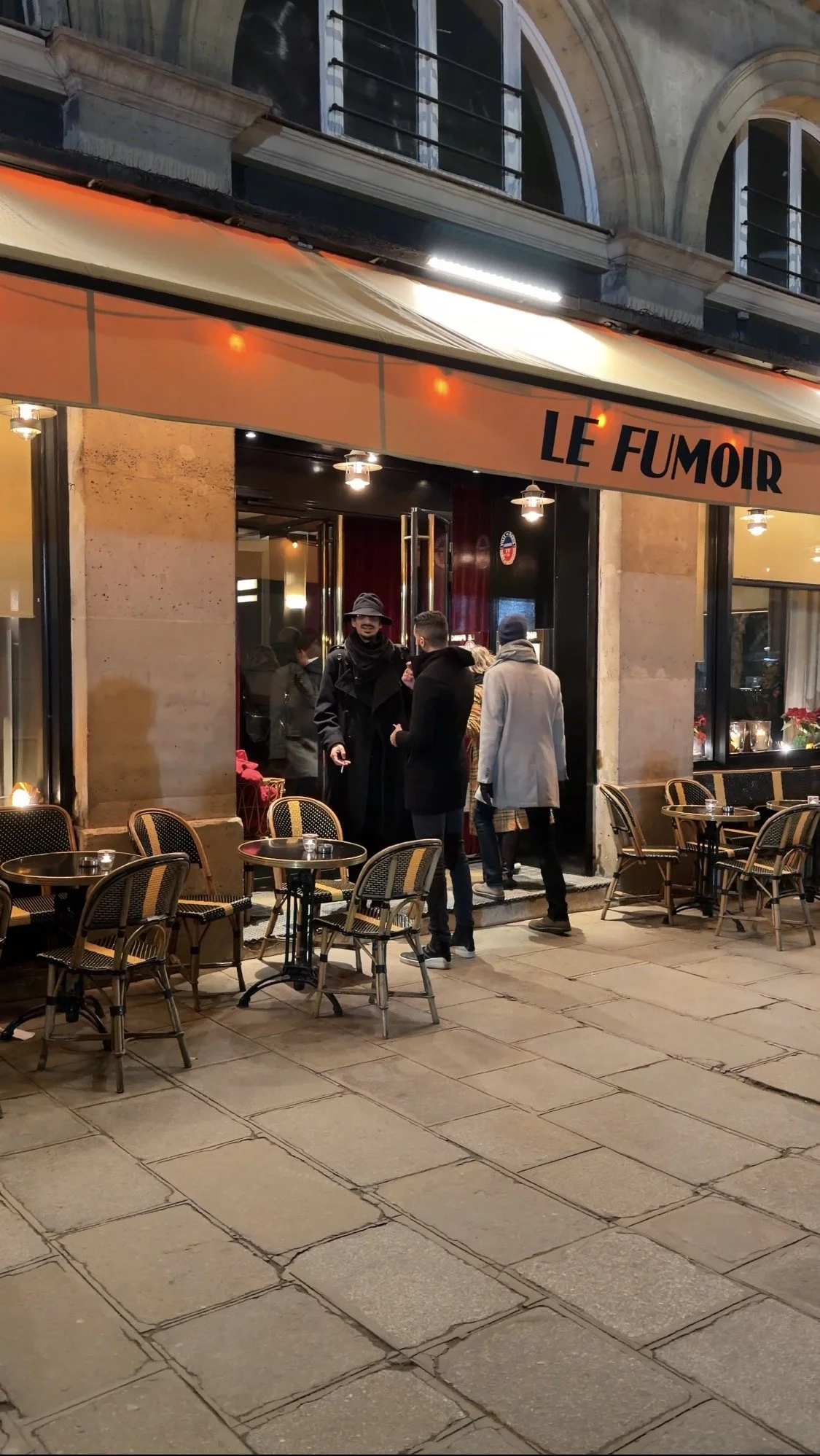
Le Fumoir: Le Fumoir is the kind of place that reminds you Paris does atmosphere better than almost anywhere else. Low lighting, a busy bar, and a distinctly local crowd give the room an easy confidence, like it’s been exactly this good for years and sees no reason to explain itself.
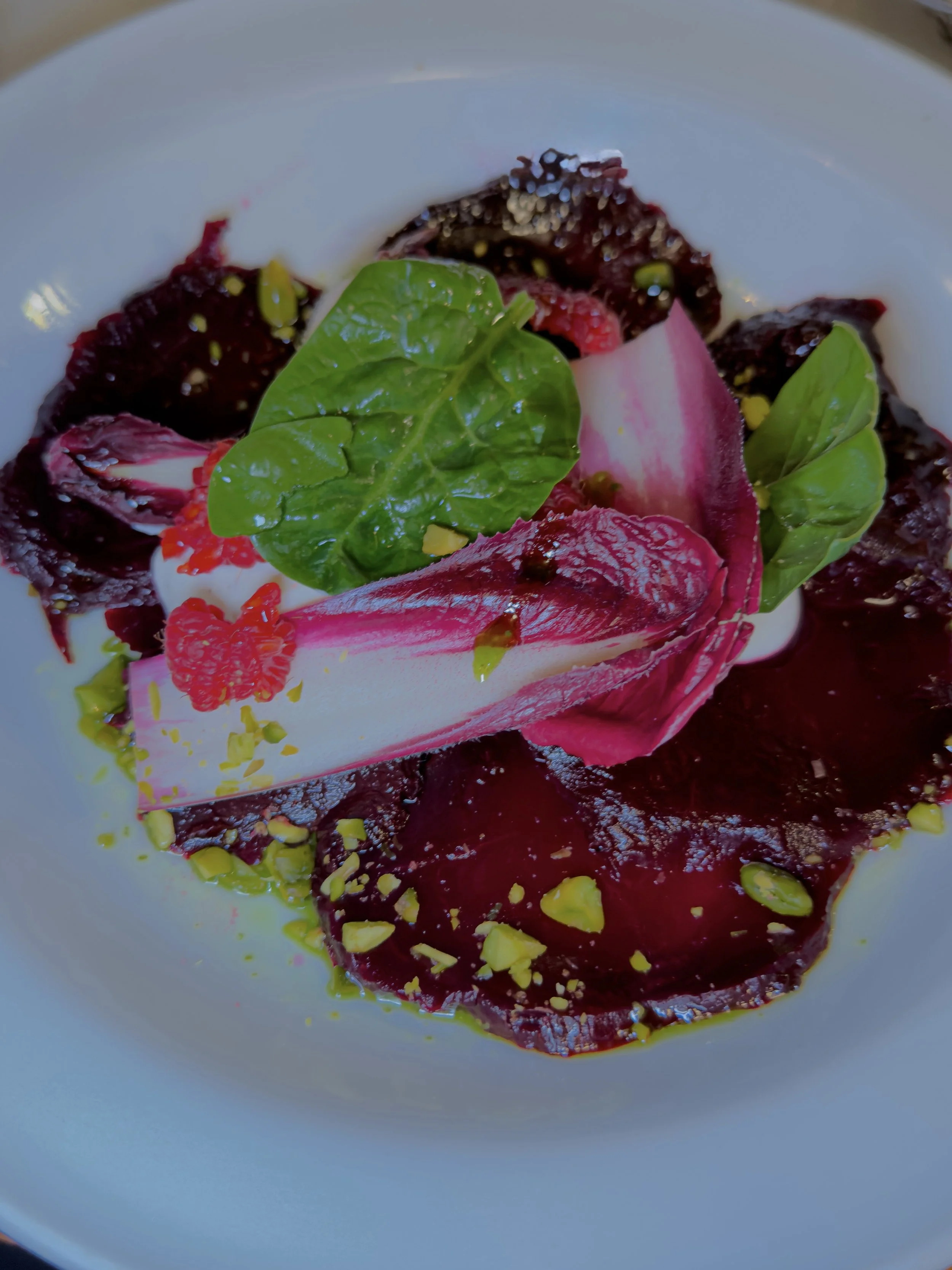
We settled into a three course meal with an almost overwhelming number of choices, all of them tempting. Standouts were the beet carpaccio, bright and earthy in all the right ways, and a perfectly executed pork cutlet that felt both classic and indulgent
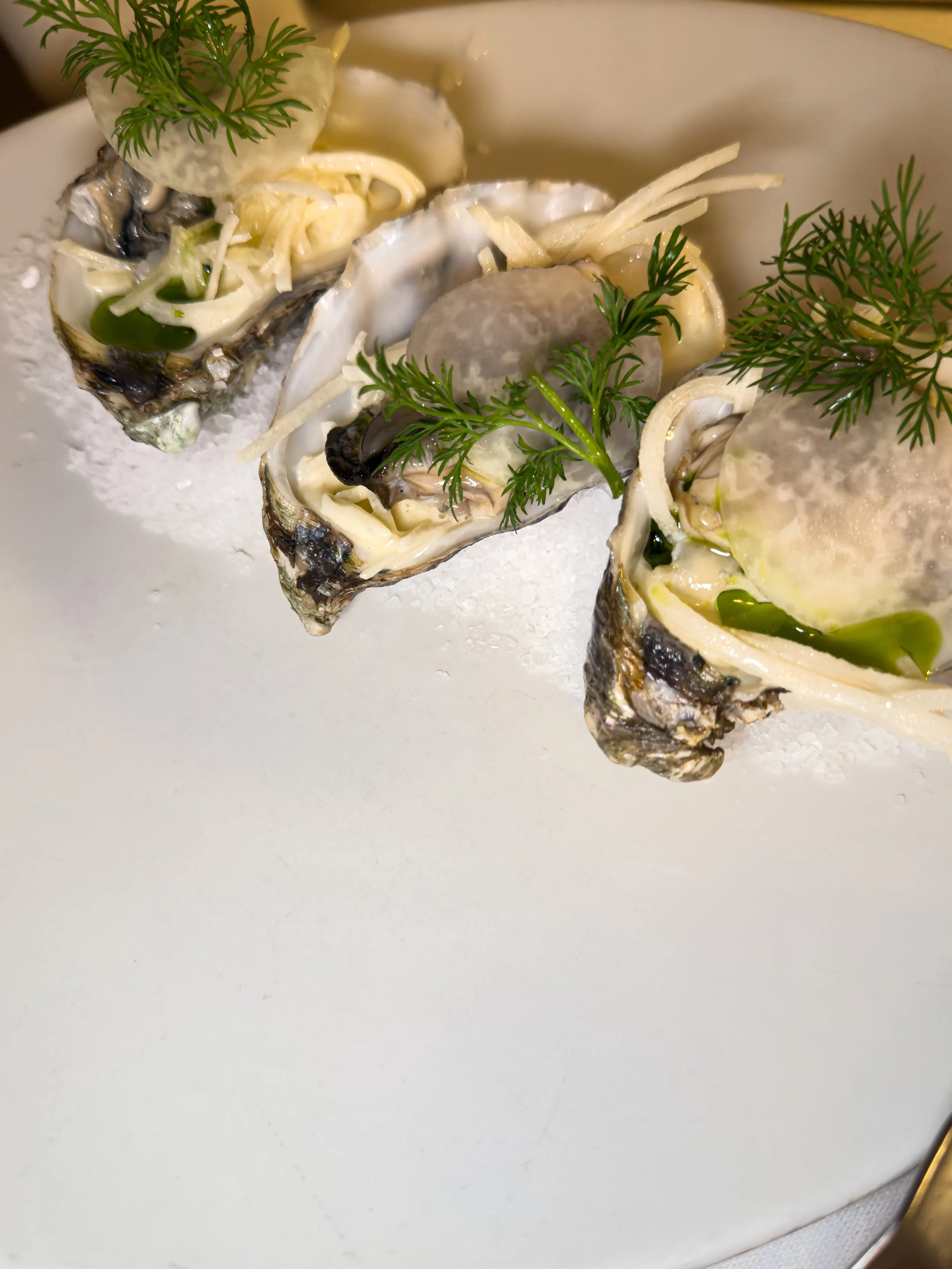
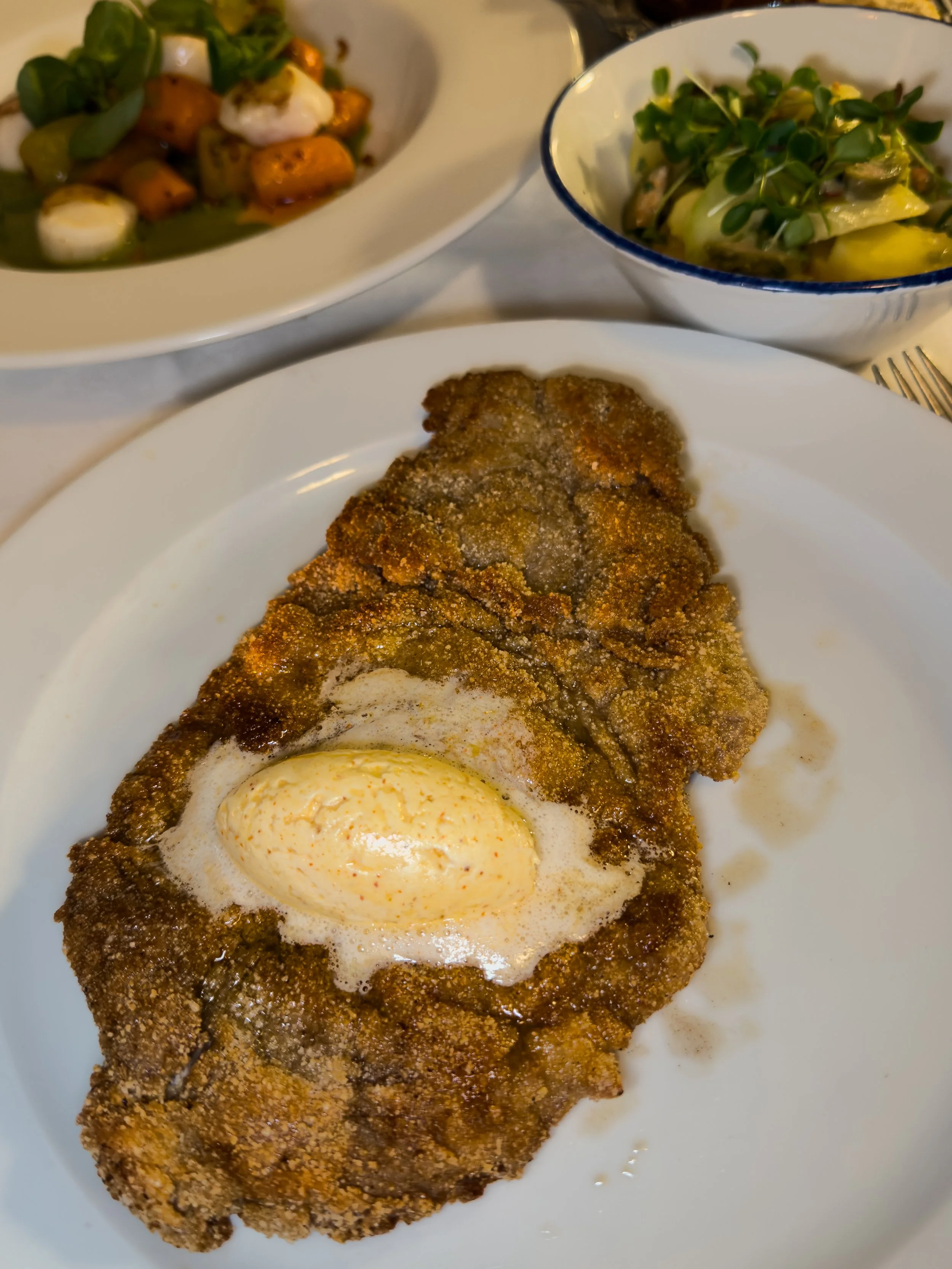
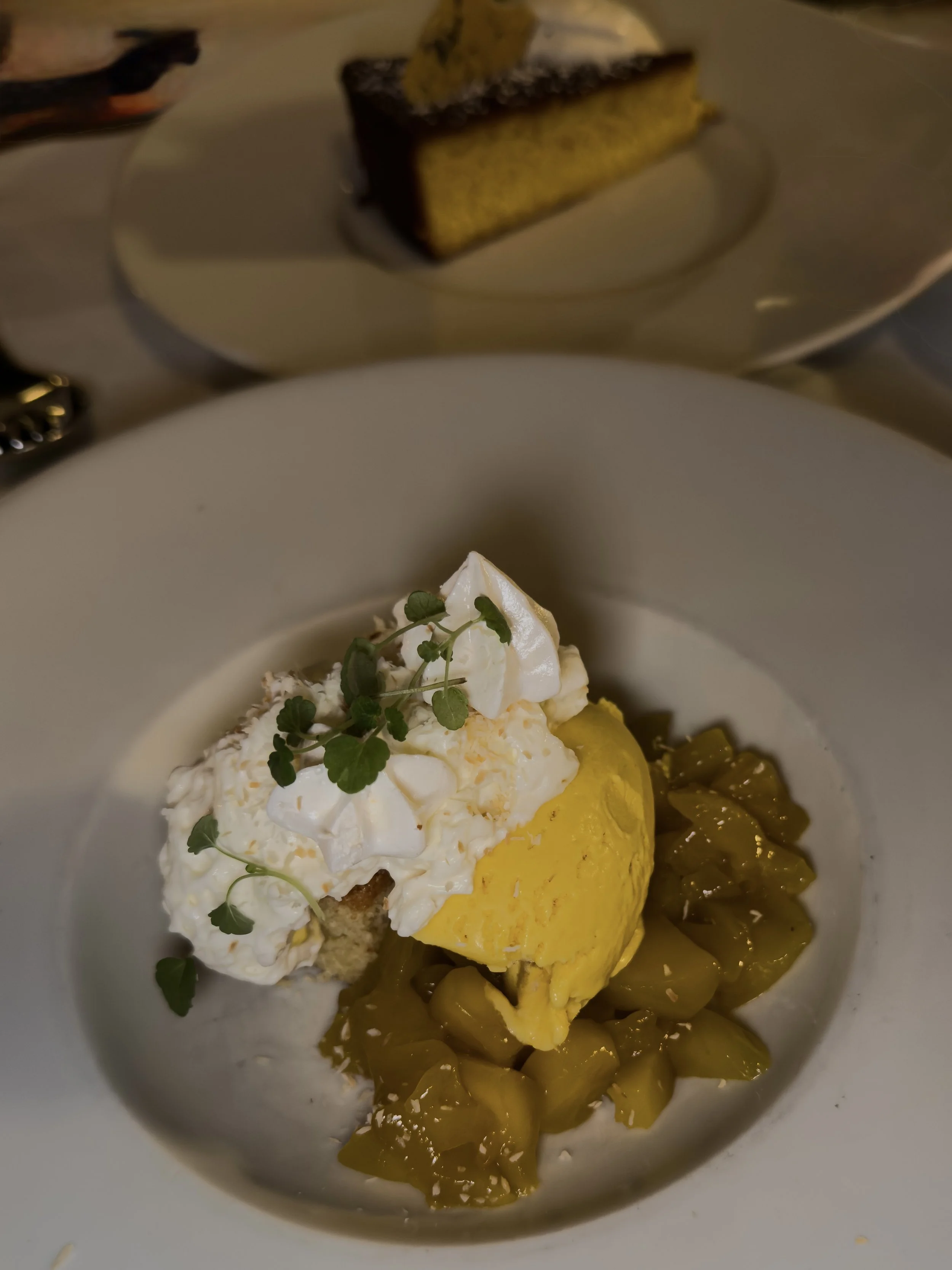
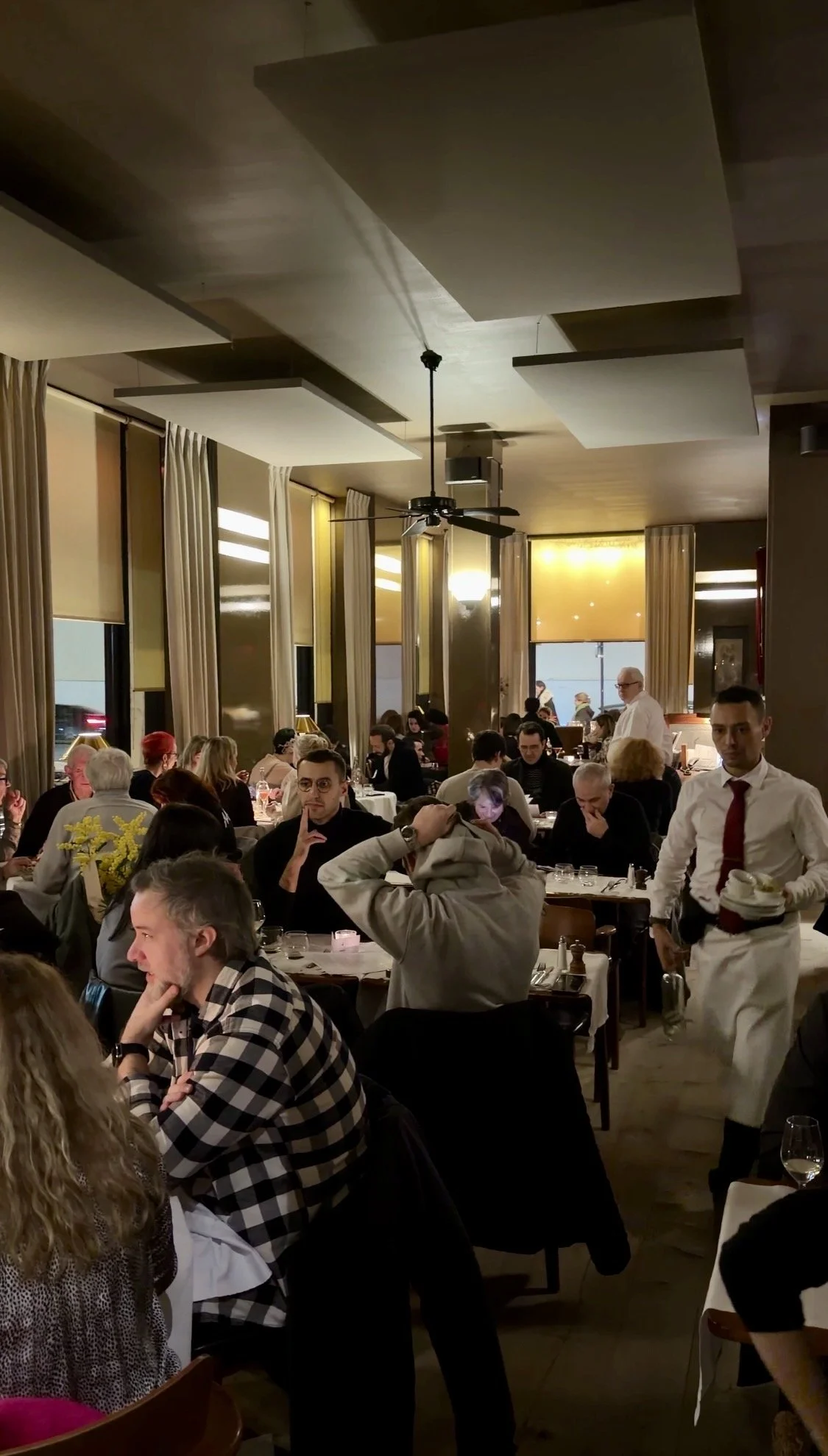
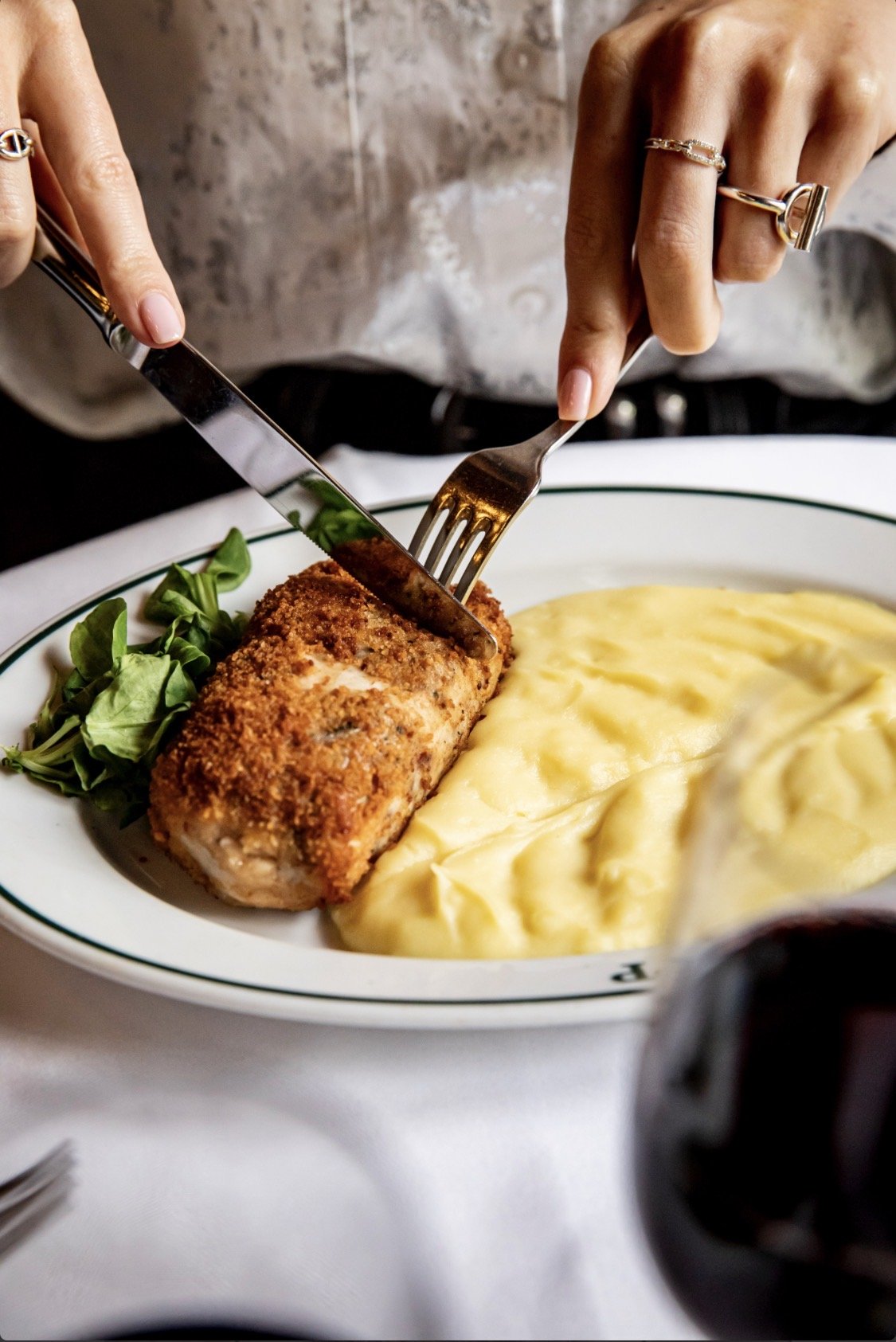
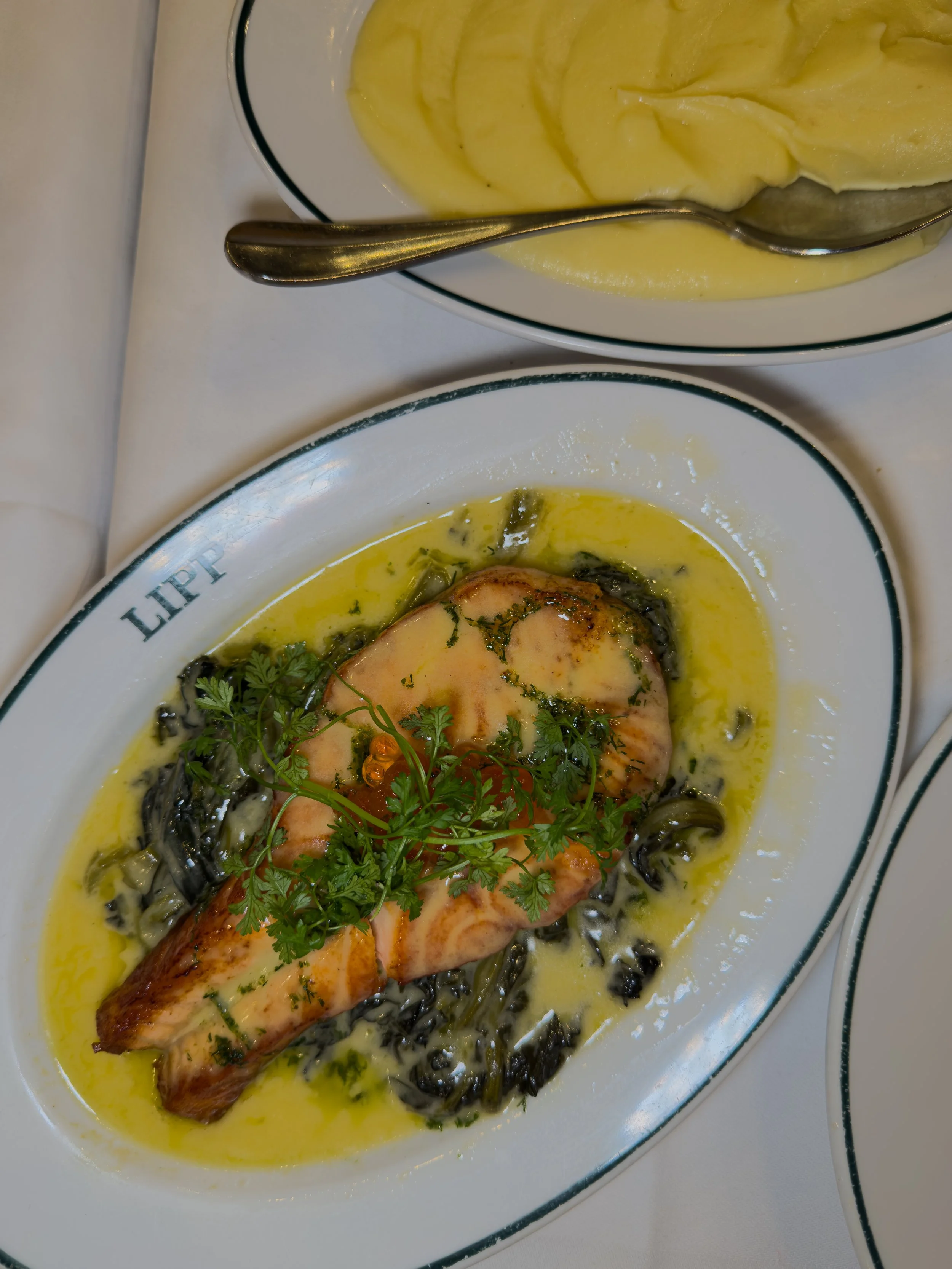
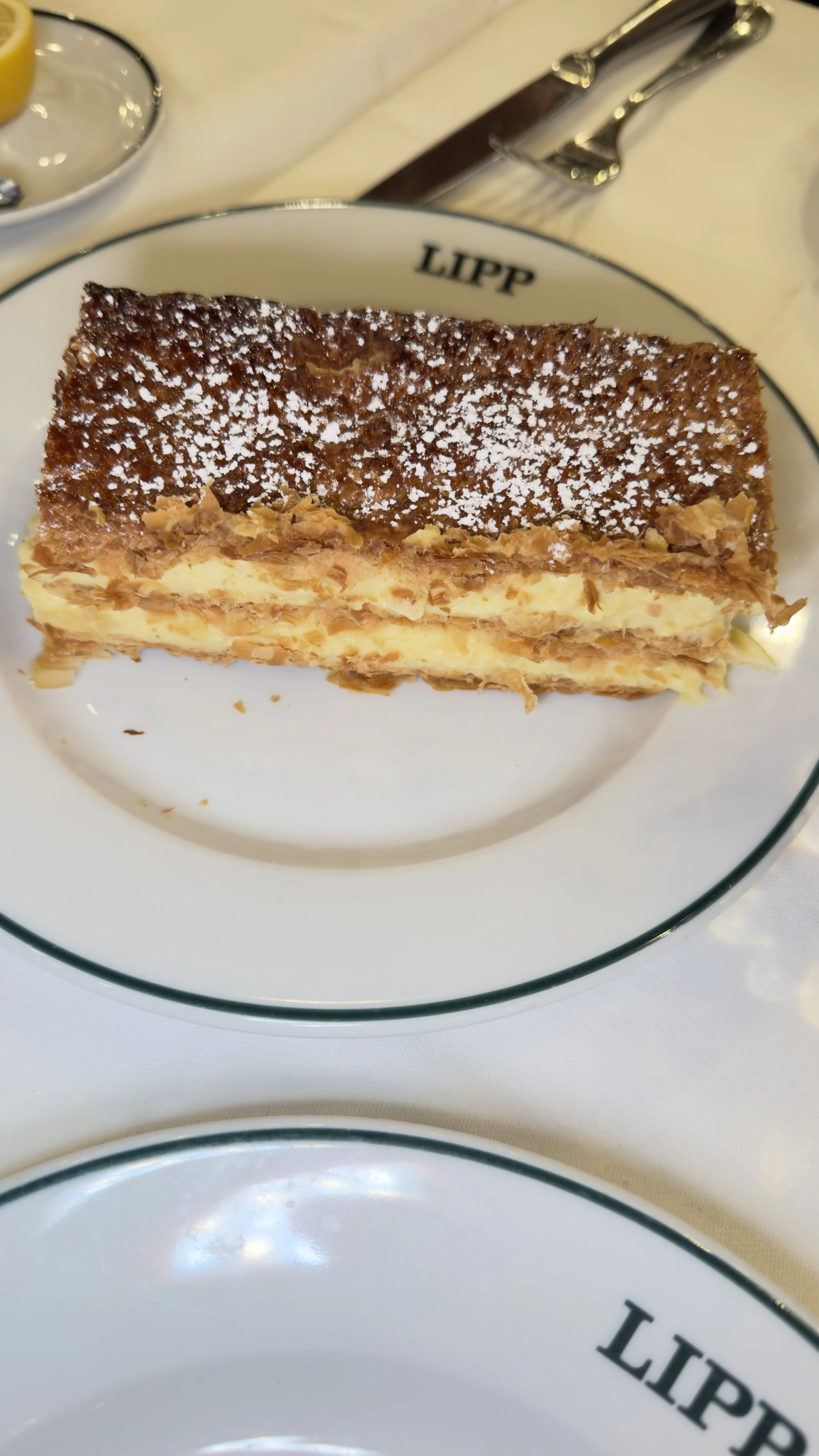
Lipp: Lipp is Paris in preservation mode, and thank goodness for that. Founded in the late 1800s, this Left Bank institution has been feeding writers, politicians, and loyal regulars for generations, with very little interest in changing its ways.
We came for brunch, which only heightened the charm. The room hums with old school confidence. Crisp white tablecloths, waiters in full traditional garb, and service that feels choreographed rather than rushed. What makes it special is the crowd. Locals, not tourists, including couples in their eighties dining side by side, clearly keeping rituals that have outlasted trends.
The food delivers classic French brasserie cooking done exactly right. No reinvention, no shortcuts, just excellent execution across the menu. Order whatever speaks to you, but do not skip the mashed potatoes. They are rich, smooth, and quietly unforgettable.
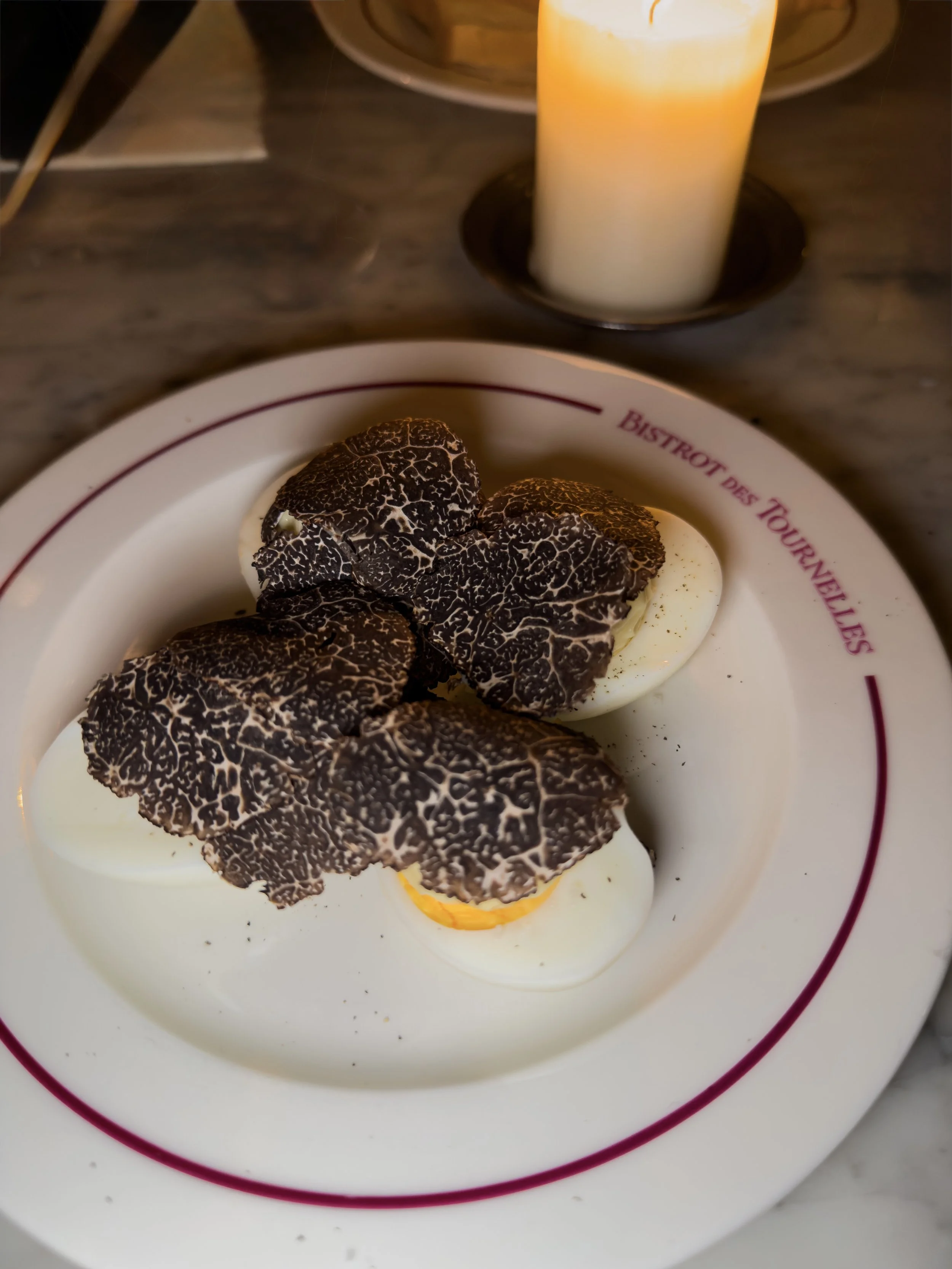
Bistrot Des Tournelles: Bistro des Tournelles may have been our favorite find in Paris. Tucked away in an unassuming spot, it is the kind of place you almost walk past, then immediately feel lucky once you step inside.
The room is tiny, romantic, and candle lit, setting the tone for a meal that feels personal and unrushed. Service was warm, welcoming, and beautifully executed, striking that rare balance of attentive without hovering.
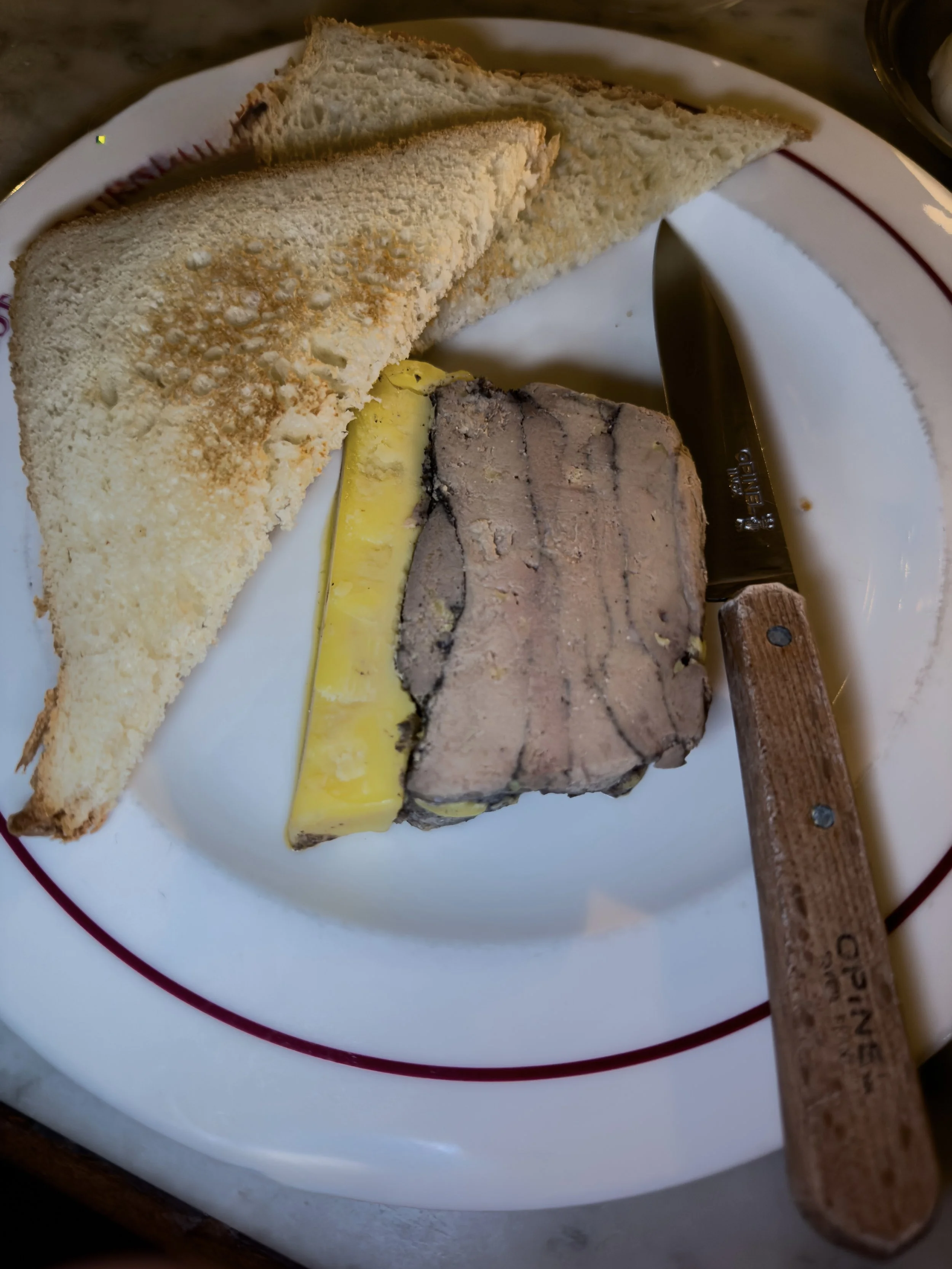
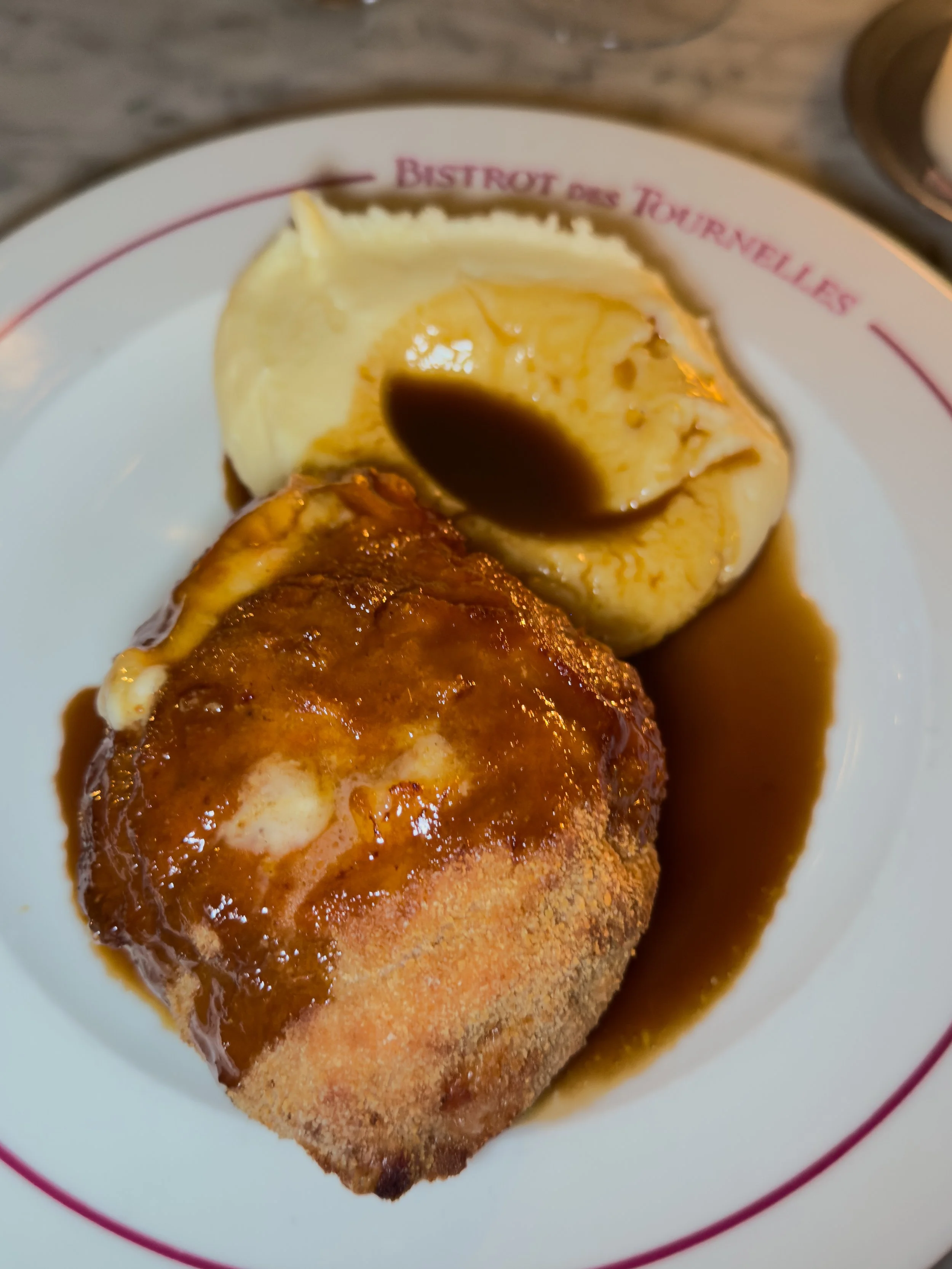
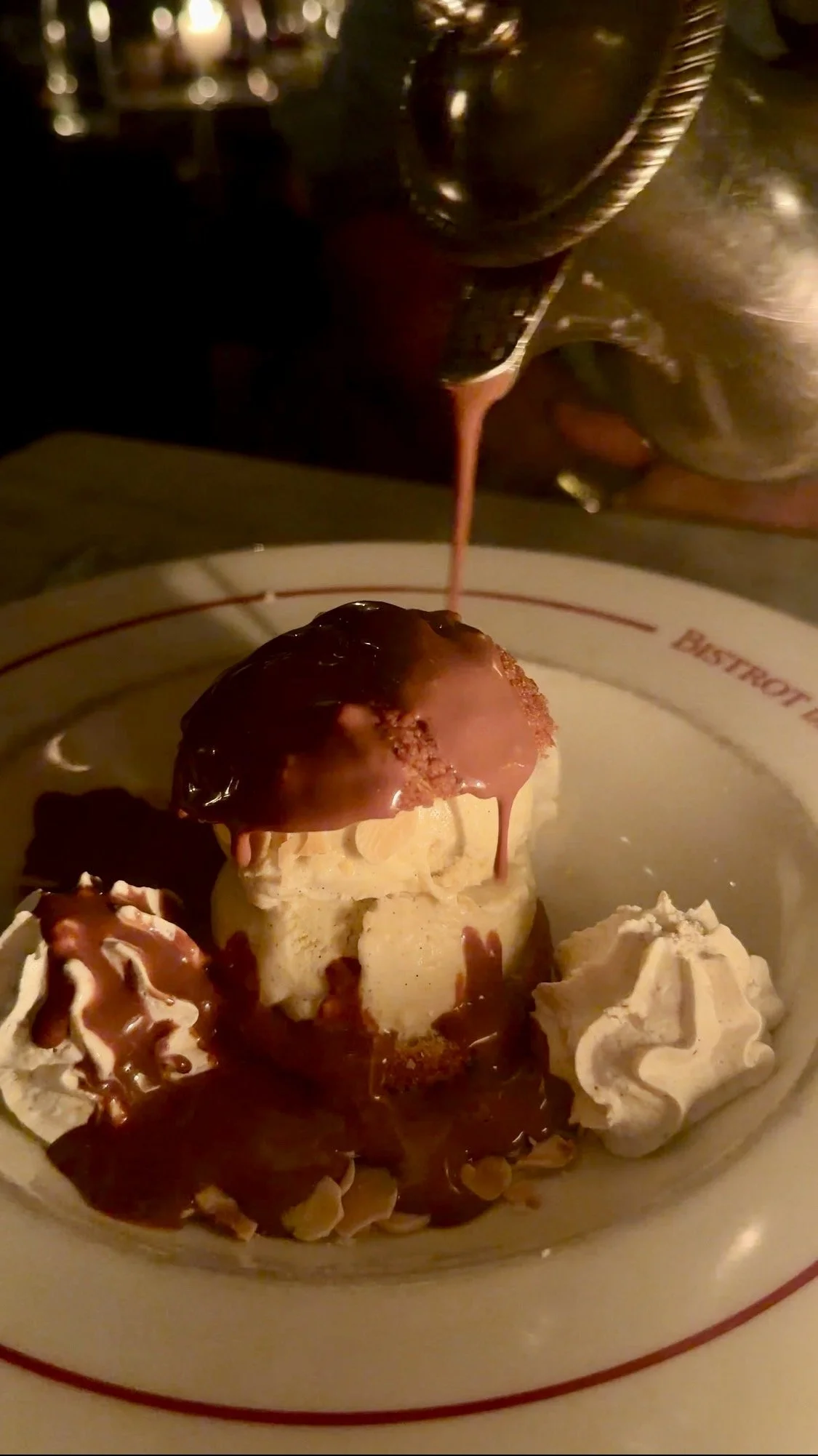
The food was nothing short of exceptional. Standouts included a decadent cordon bleu, rich foie gras, and a perfectly cooked beef fillet. Save room for the finale. The profiterole, drenched in hot chocolate, is non negotiable and the kind of dessert you think about long after the table is cleared.
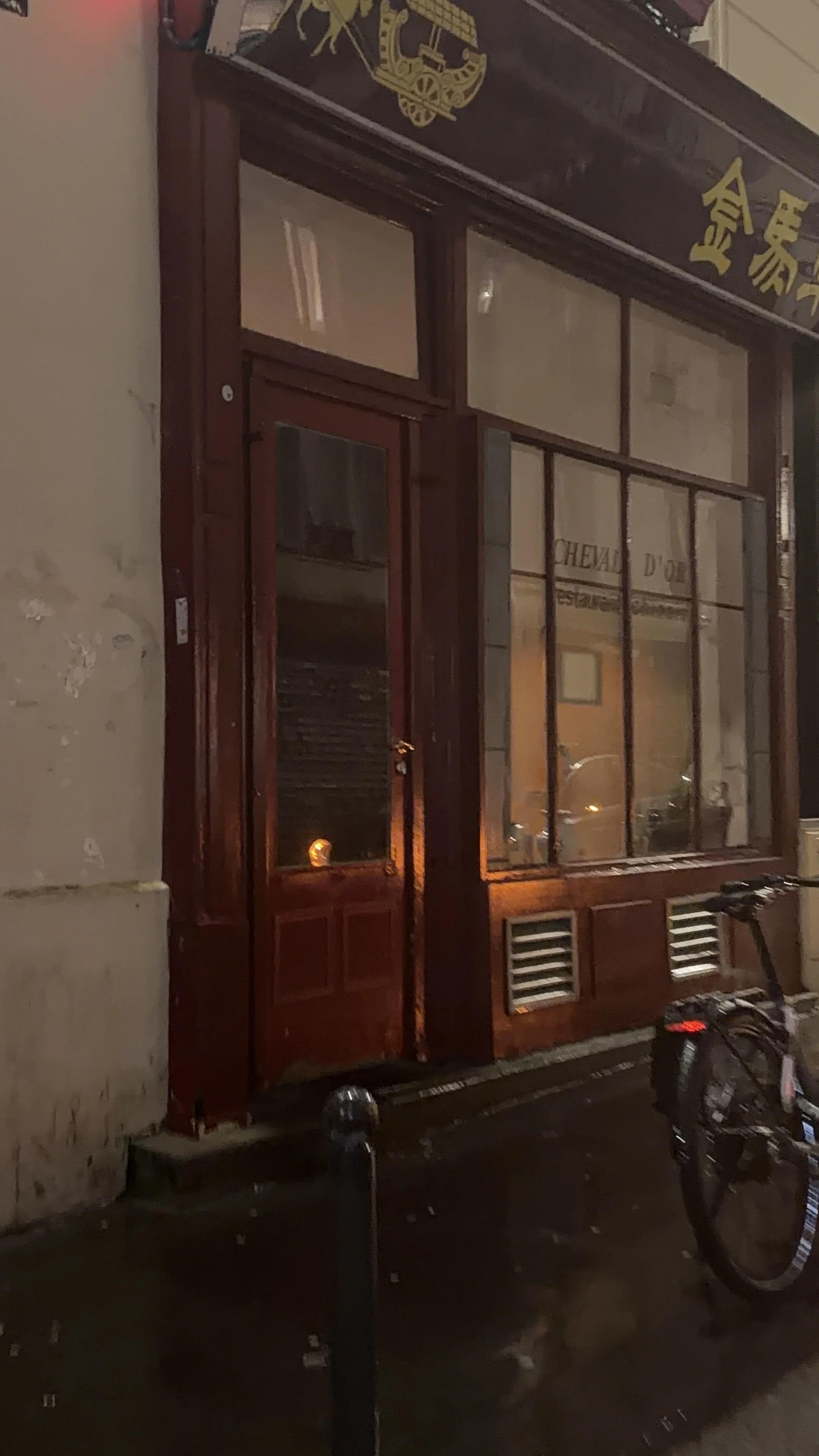
Le Cheval D’or: Cheval d’Or has been lighting up social feeds for good reason. Tucked above a quiet Belleville corner, it feels like you’ve slipped into the dinner party everyone wishes they were invited to. Low lighting, warm wood, just the right hum of conversation. The room is dialed in without trying too hard.
This is your cue to take a break from steak frites and onion soup. The menu leans playful and precise, layered with unexpected flavors that still feel grounded. Think thoughtful small plates, clever sauces, and combinations that make you pause mid bite.
It is creative Paris right now. A little cool, a little moody, very delicious. Come for the buzz, stay because it actually delivers.
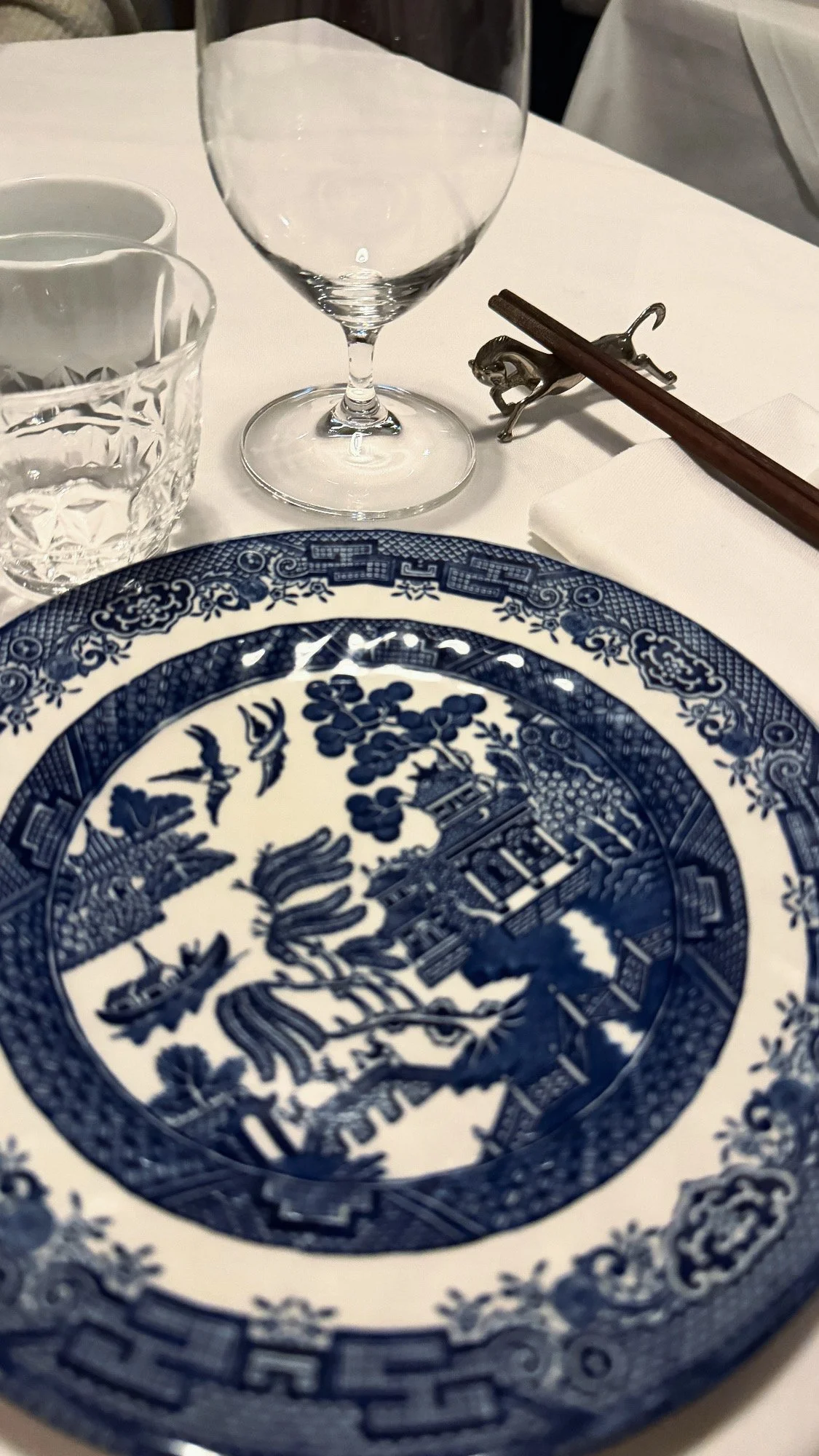
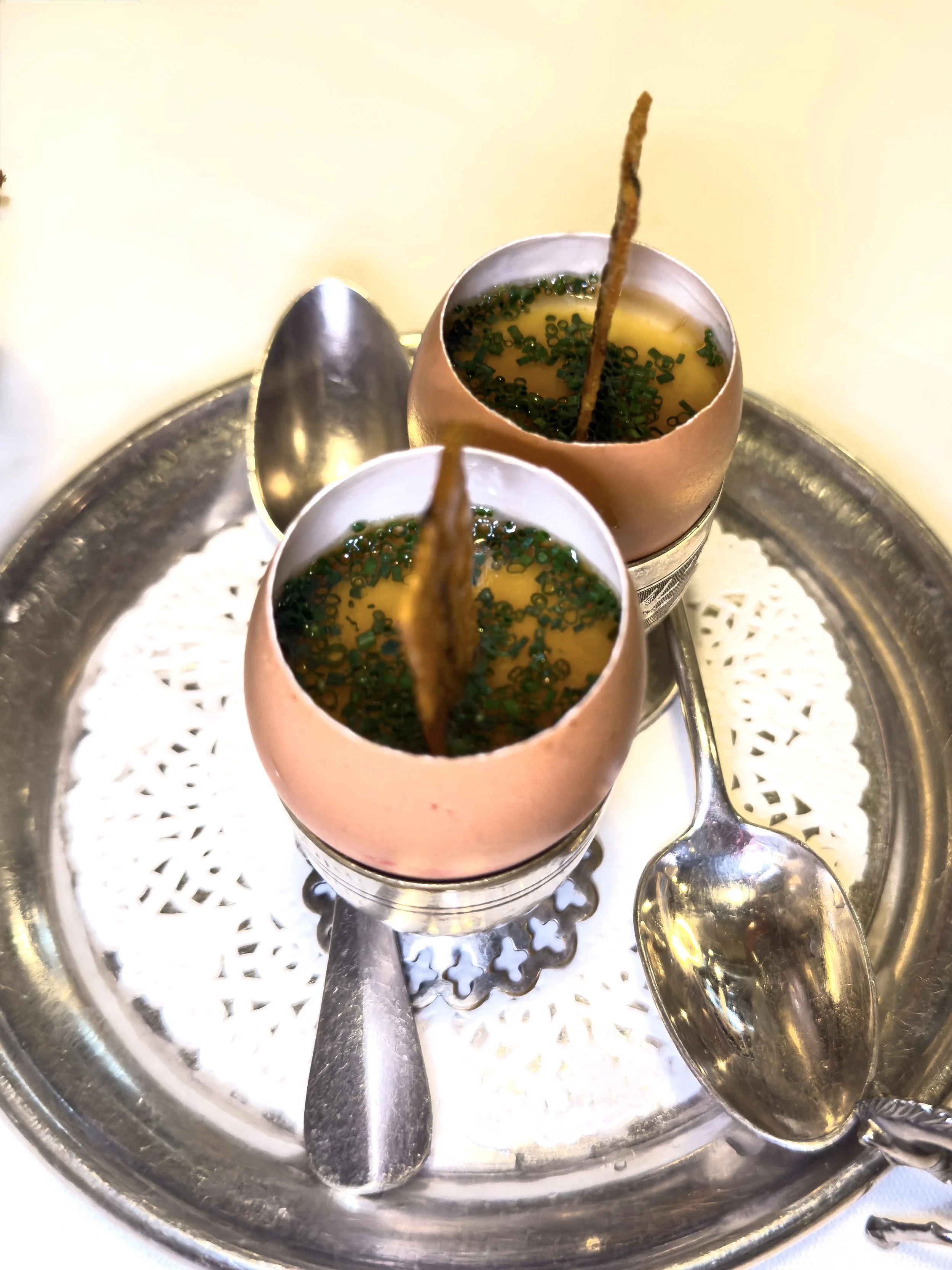
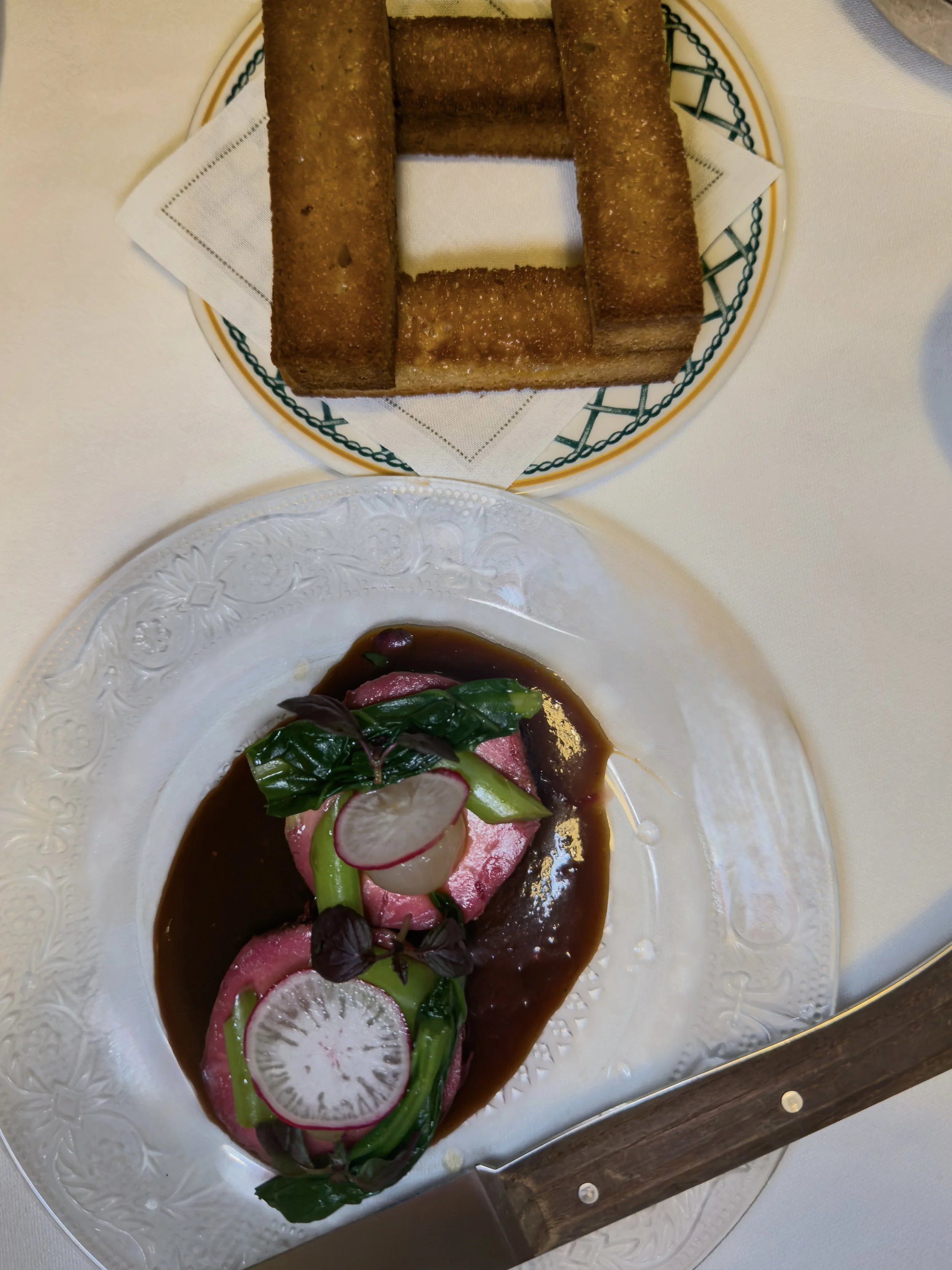
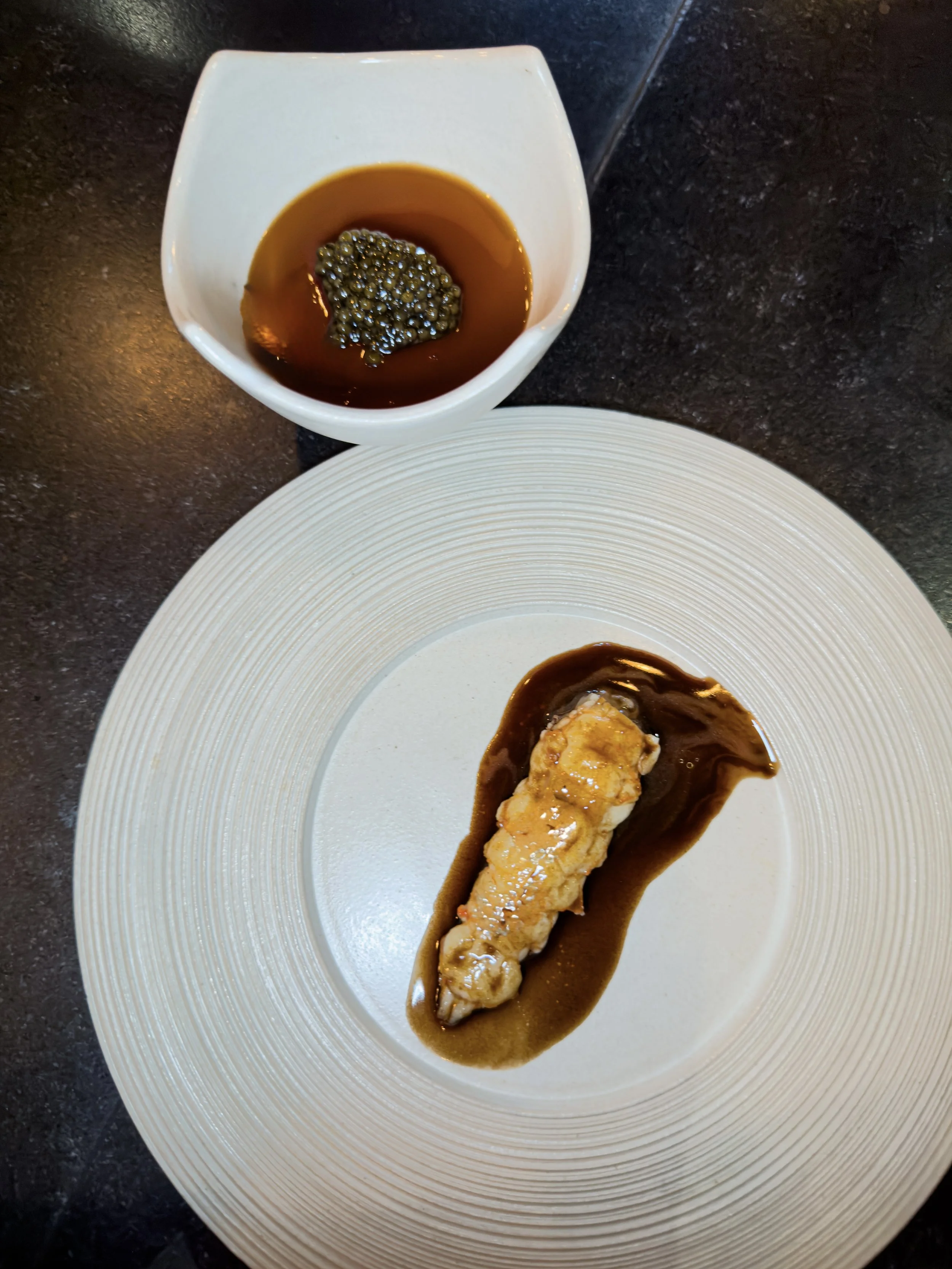
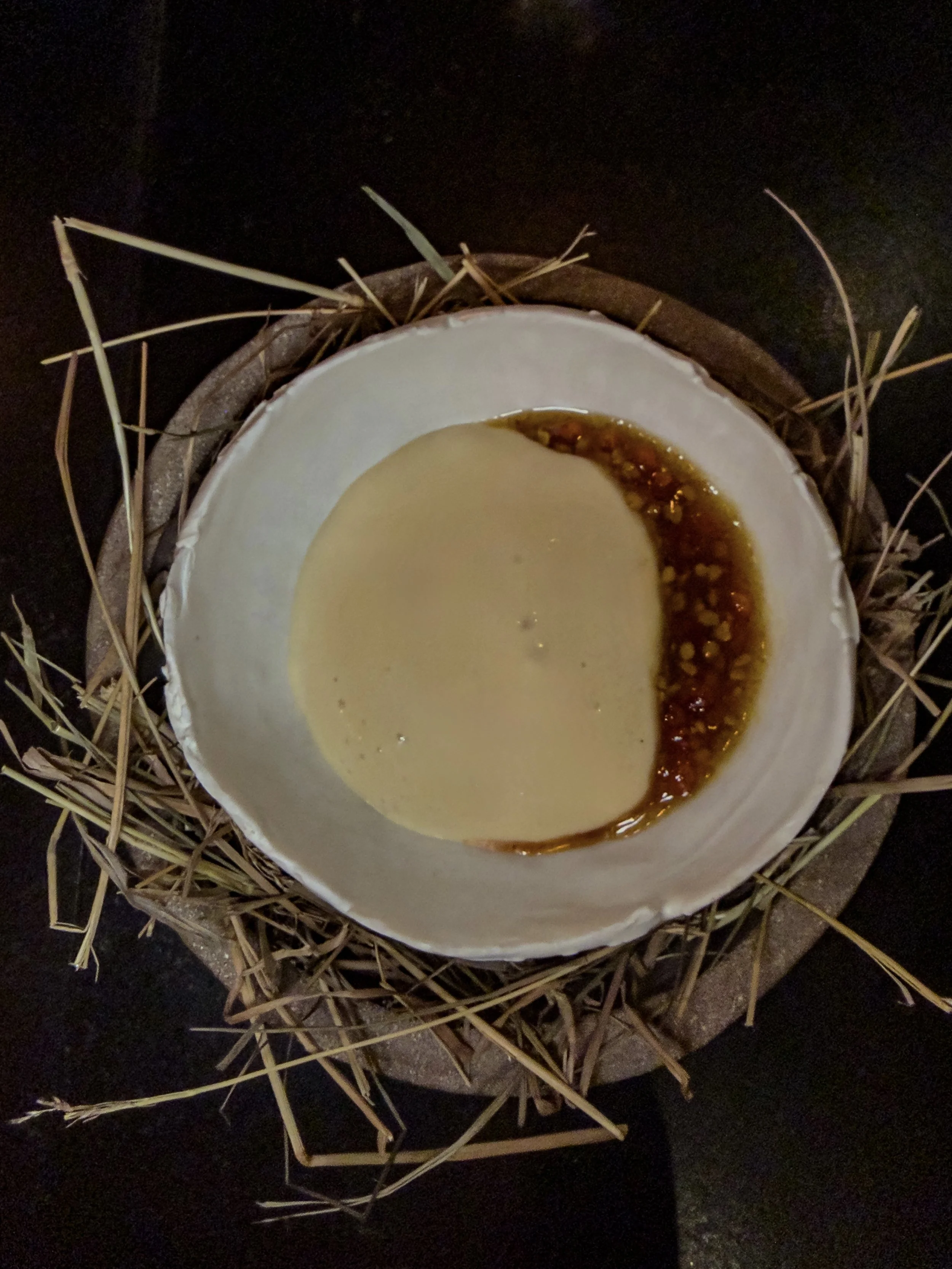
Neso: This is the kind of place you hear about in whispers before it explodes. One Michelin star, a compact, minimalist dining room, and at the center of it all a chef with a full tattoo sleeve and serious pedigree. He trained in some of France’s most exacting kitchens, and you can feel that discipline beneath the edge. Precision meets personality.
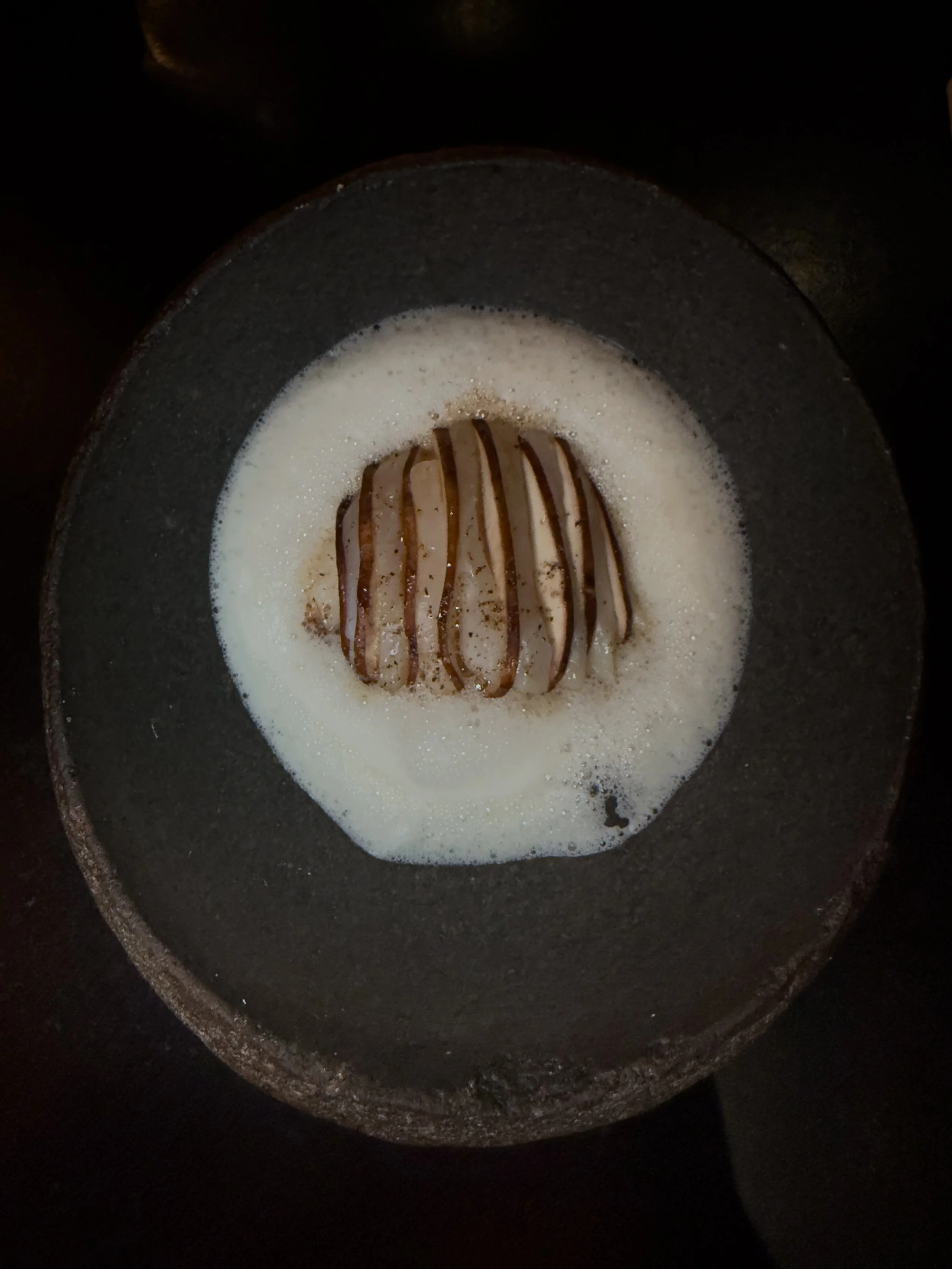
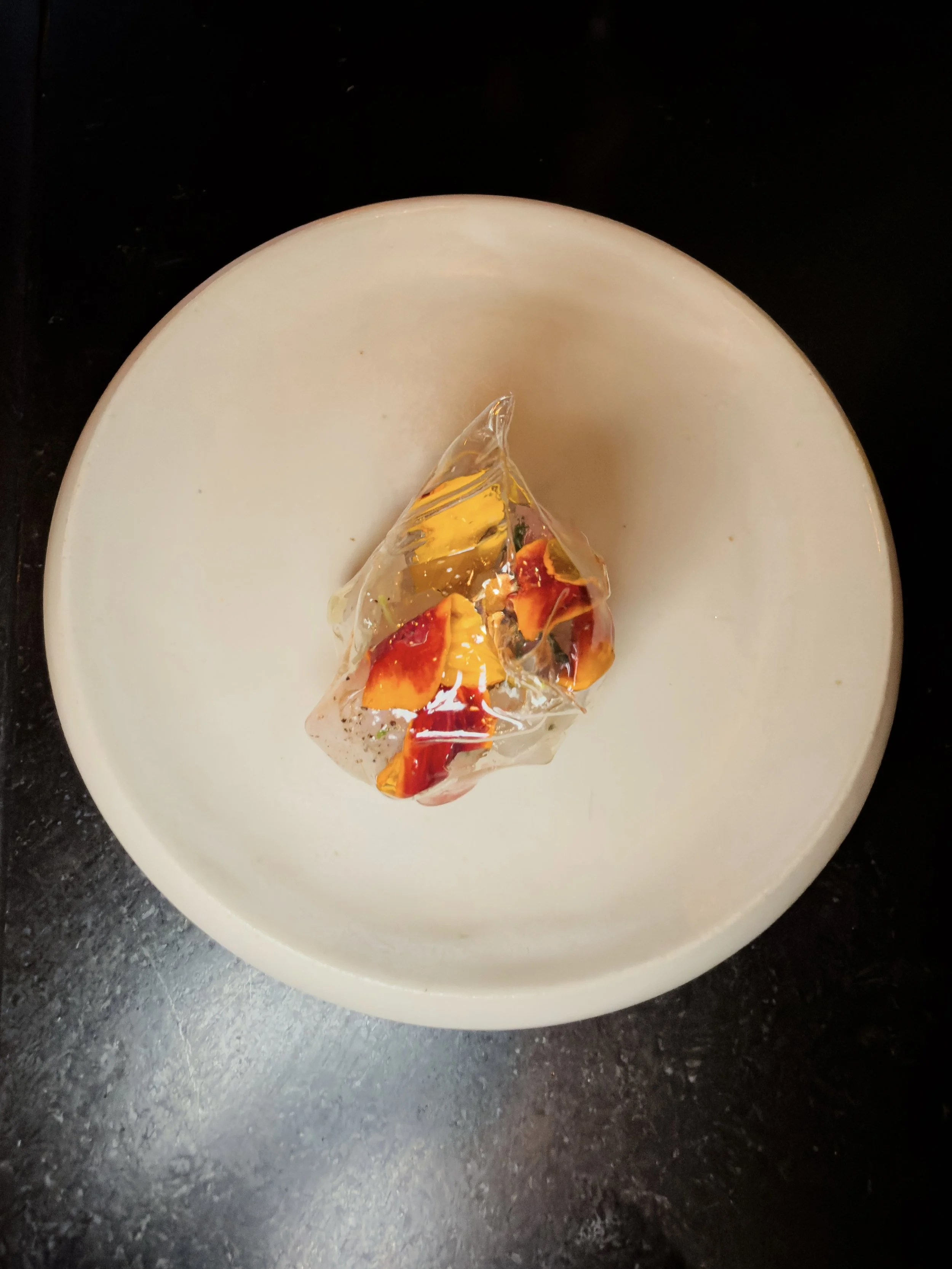
The menu reads like a dare. Amberjack encapsulated in spun sugar, delicate, translucent, shattering with the back of your spoon. Courses arrive like small design objects, each one balancing acidity, texture, and surprise. It is cerebral without being cold. Every bite has intention.
Book the chef’s table if you can. Watching the choreography, the tweezers, the quiet intensity, it adds another layer to the experience. Service is equally dialed in, warm, attentive, and genuinely enthusiastic about what lands in front of you. Neso is not classic Parisian comfort. It is Paris pushing forward, and doing it beautifully.
What we did
We ducked into design forward boutiques, lingered in luxury stores more for inspiration than intention, and made our way through the grand temples of retail like Galeries Lafayette, where even window shopping feels theatrical. Easy, breezy, and exactly the pace Paris rewards.
You can find a link below to all our target destinations, though with our limited time we will have to return to cross them all off our list.
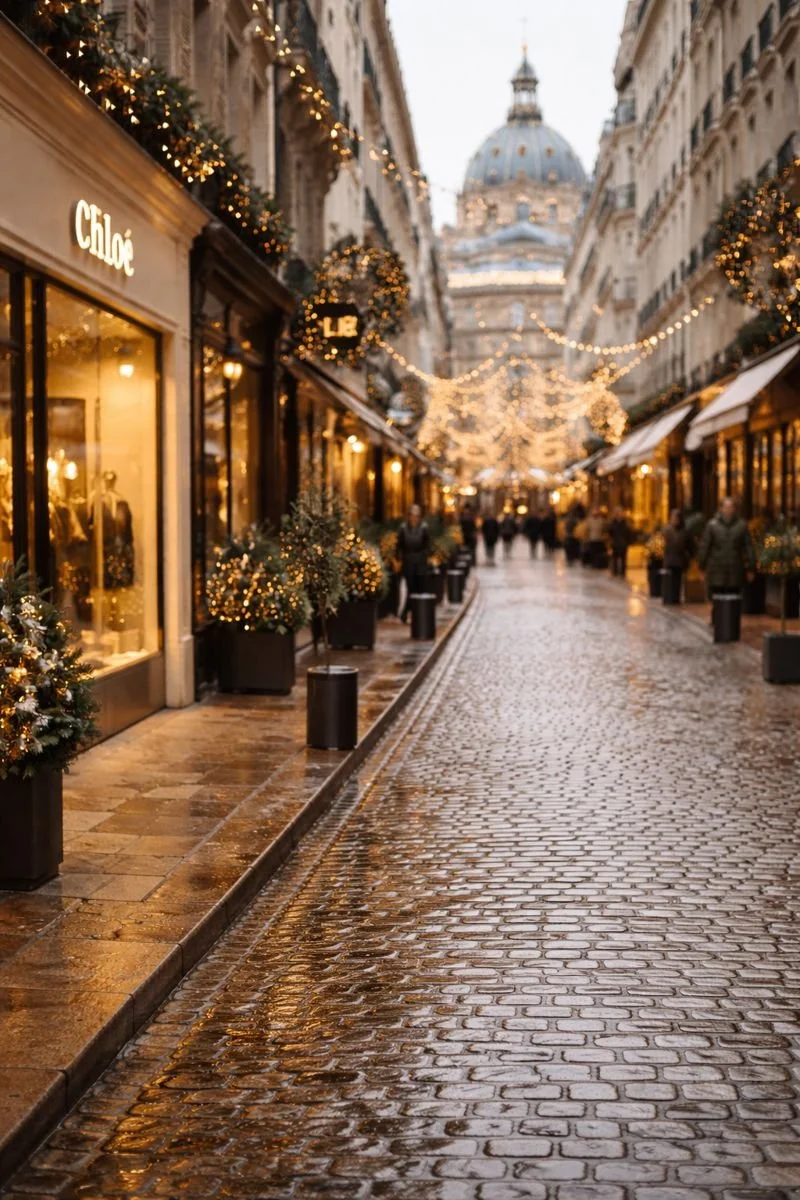
A loose, walkable snapshot of Paris. Wandering neighborhood streets, popping into design driven boutiques and luxury stores, and taking in the spectacle of Galeries Lafayette.
Les Arcs
How we got there: The Journey from Paris to Les Arcs Via Rail
Start in Paris
Depart from Gare de Lyon
High-speed TGV sets the tone: smooth, fast, civilized travel. ** Do not forget to splurge on first class
Insider tip: Even in first class cabins, only one side of the carriage has a long enough storage area for skis and if you are traveling heavy as we were this is key to scope out before you lug all your belongings into the wrong section of the train.
The First Leg: Paris to Chambéry
TGV ride through the French countryside
Transfer at Chambéry-Challes-les-Eaux
Easy, well-signed platforms but the elevator had a long line so be prepared to grab your gear and hit the stairs to get to your target platform. We had about a 15 minute connection time, so efficiency is key.
The Scenic Climb to Bourg-Saint-Maurice
Regional train winding through the Tarentaise Valley
Insider tip: Not all of these trains have a business or first class car in which case it is first come first serve for seating. The front of the train did have more significant space for storage.
Catch some great photos of the alps rolling into your field of view
Arrival at Bourg-Saint-Maurice
Gateway town to Les Arcs
Mountains now fully in frame
Last Mile to Les Arcs
Funicular from Bourg-Saint-Maurice to Arc 1600
Most hotels likely offer a transfer through a partner program they work with, we would highly recommend this, especially if you are traveling heavy.
How to Choose your Village
We opted to stay in Les Arcs 2000, primarily because of the five star Taj-I Mah Hotel (see below for more information).
Les Arcs looks like one ski resort on a map, but it’s really a collection of personalities stacked up the mountain. Picking the right village changes the whole trip.
Arc 1600 is the original. Quiet, practical, ski-first. Best for purists who care more about first tracks than après, and for travelers who like rolling straight from bed to lift without fuss.
Arc 1800 is the social one. Bigger, livelier, more dining options, more energy once the lifts close. Ideal if you want skiing by day and a pulse at night without going full party resort.
Arc 1950 is polished and postcard-pretty. Pedestrian, cozy, intentionally designed to feel like an alpine village. Great for families, couples, and anyone who likes their ski trip with a side of charm and convenience.
Arc 2000 is high, dramatic, and serious. Snow-sure, no-nonsense, built for strong skiers who want altitude and access to steeper terrain.
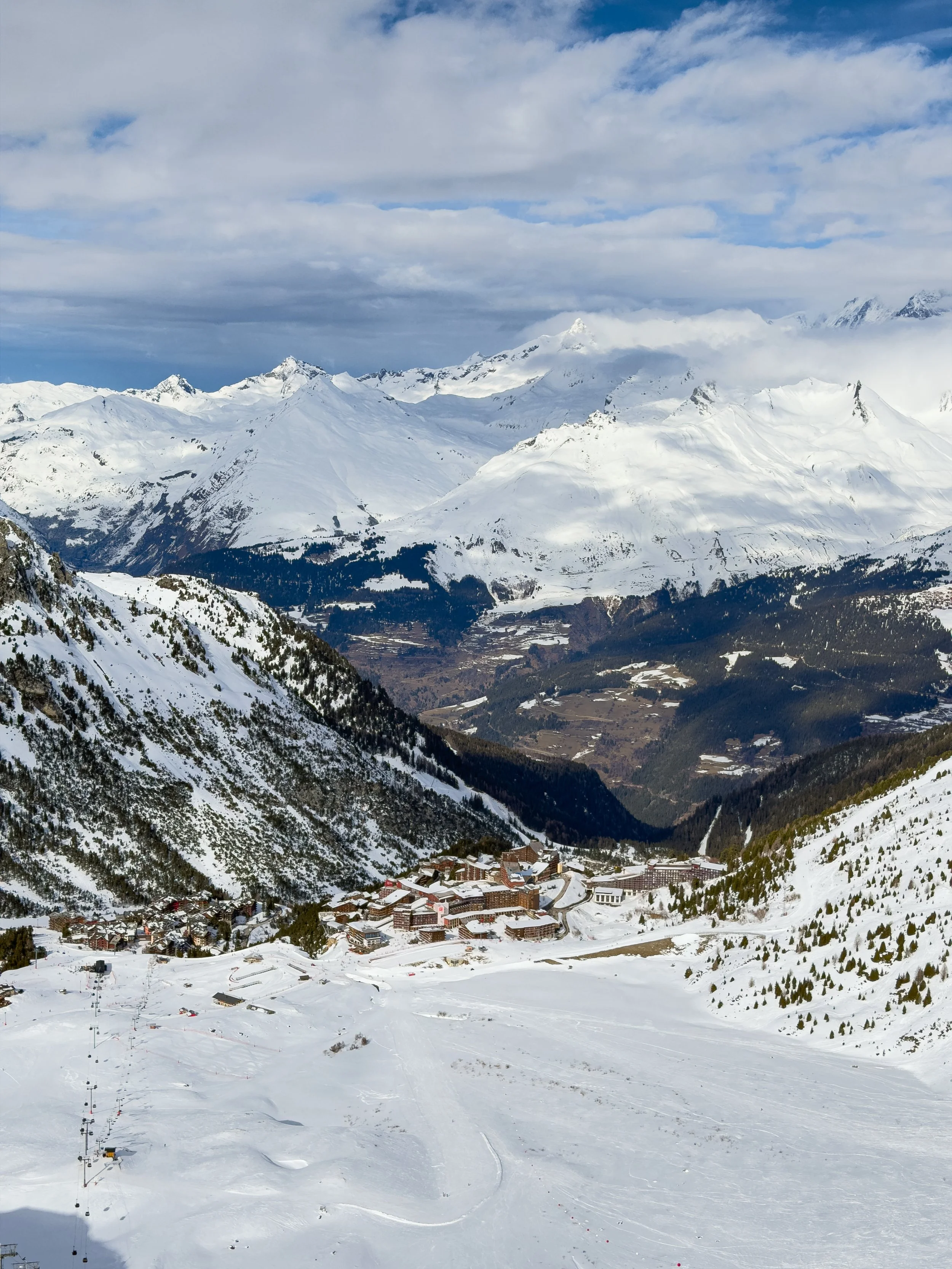
Les Arcs 2000
Lodging in Les Arcs
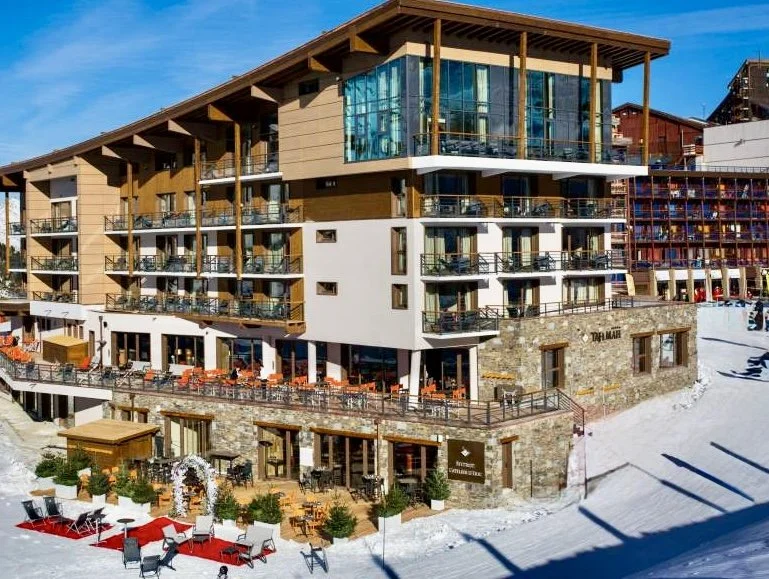
Taj-I Mah: Taj-I Mah in Les Arcs 2000 understands the assignment. It is the only five-star hotel in the area, and it delivers that distinction through ease, not excess.
The ski-in ski-out setup is the real luxury here. Boots warmed and waiting, skis lined up outside and ready to click into, and a full in-house rental team that makes fittings and swaps feel almost suspiciously painless. You finish a run and everything just… works.
Inside, the lobby bar hums in the best way. The staff is warm and genuinely happy to see you, cocktails are polished and creative, and every evening comes with a small amuse-bouche designed to match your drink, whether it’s a Negroni or a thoughtfully made mocktail. It turns après into a ritual.
Rooms are compact but smartly designed. Ours opened onto a balcony with a sweeping mountain view that made the size irrelevant. In a high-altitude village built for serious skiing, Taj-I Mah stands apart by pairing five-star service with a relaxed, genuinely welcoming feel. The staff in all of the various guest areas were wonderful.
Downstairs, the indoor spa seals the deal. A sleek swimming pool, hot tub, steam room, sauna, and quiet relaxation space make it easy to shift from performance mode to recovery. It’s the kind of place where tired legs thank you, and tomorrow’s ski day already feels a little closer.
Where We Ate (Off Piste)
Le 2134: Looks the part at first glance. Sleek, modern, and designed with intention. But atmosphere matters, especially in the mountains.
The food was solid and well executed, the kind of menu that does its job without surprises. What it lacked was warmth. The space leans contemporary over cozy, and on a cold alpine night we found ourselves wanting a little more texture, a little more soul.
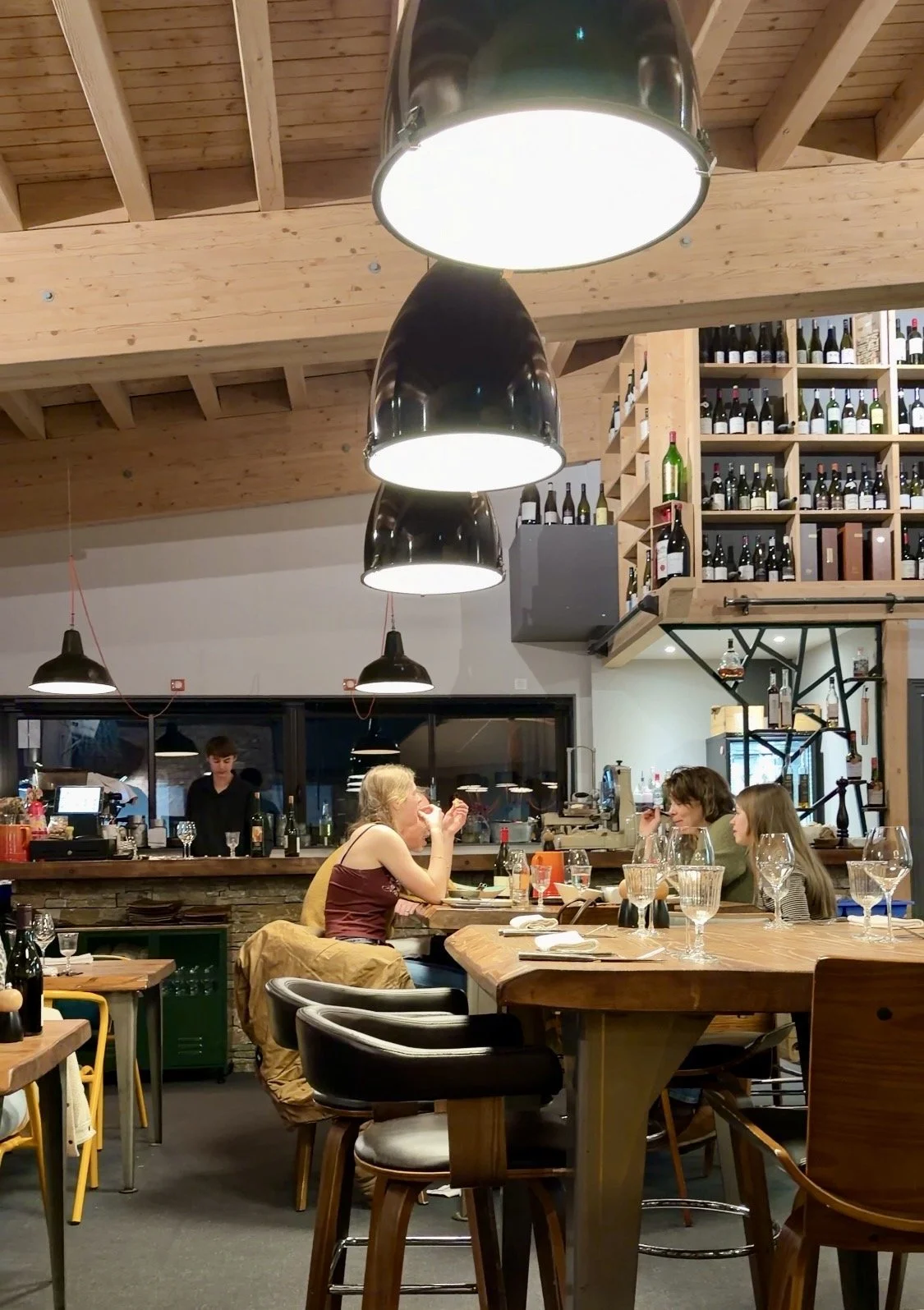
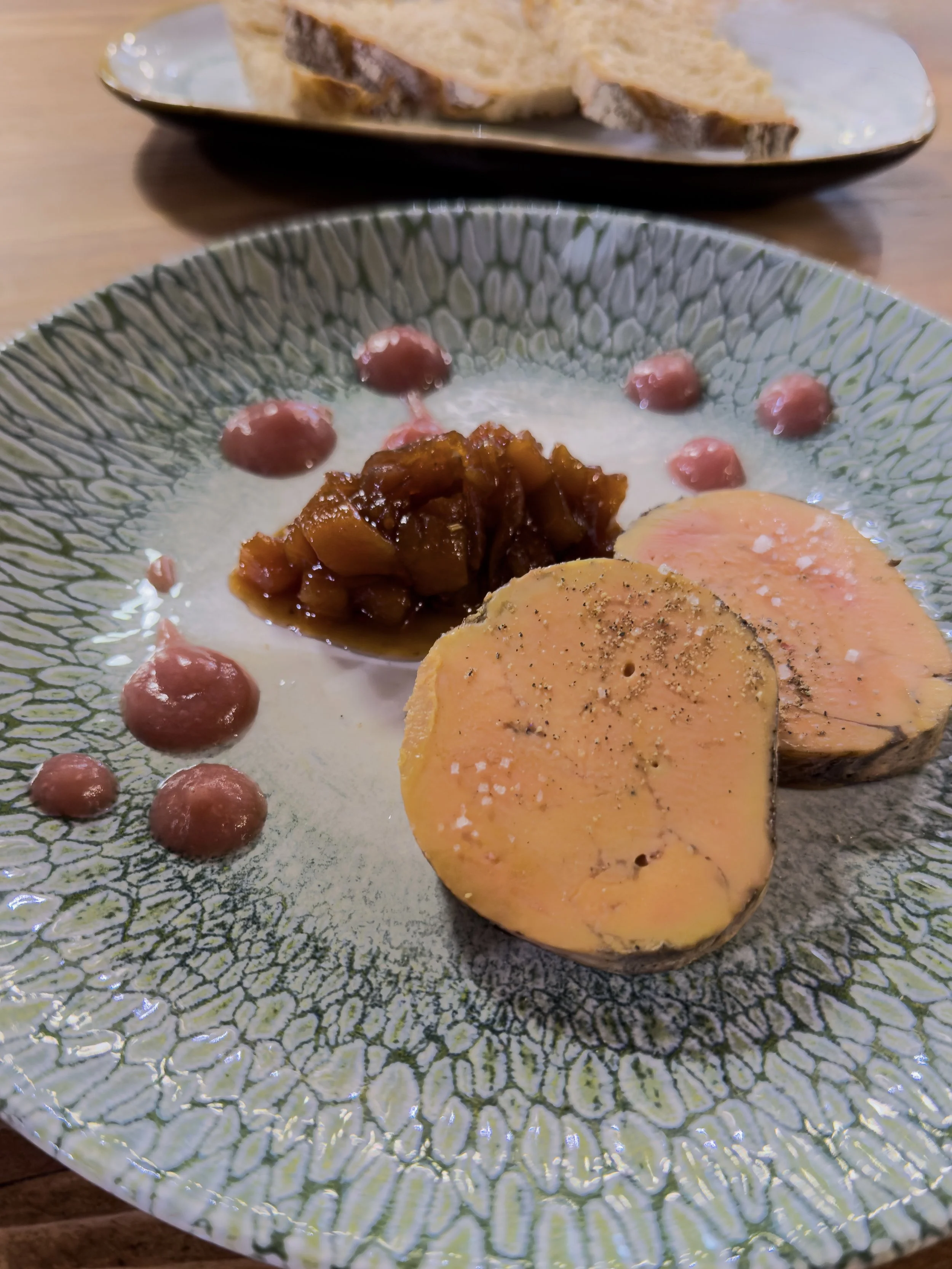
Chez Léontine: is worth the short journey. From Les Arcs 2000, it’s an easy ten minute gondola ride down to 1950, and the shift in energy is immediate.
The room feels like what you hope for in an Alpine French restaurant. Warm, inviting, and comfortably lively without trying too hard. Wood, chatter, and that low lit amber lighting sets the mood.
Service was friendly and attentive, and the food was confidently executed. Nothing showy, just thoughtful plates done right. It’s the kind of place that reminds you why going a little out of your way on a ski trip often pays off.
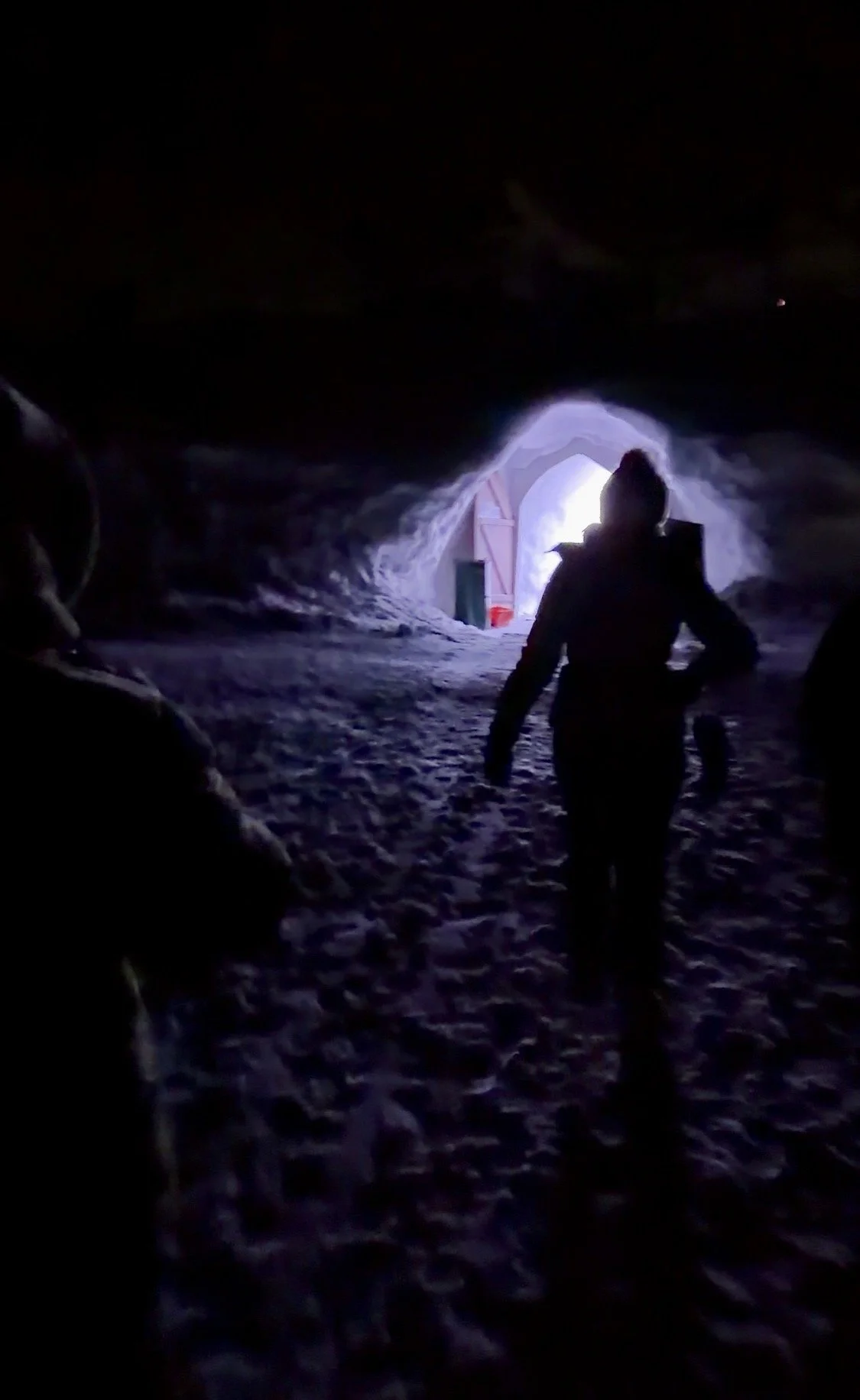
Village Igloo: The Village Igloo in Les Arcs is less about the plate and more about the trek. Getting there means a brisk fifteen minute walk up the mountain with a guide, exposed and properly cold, so gloves and a good hat are non negotiable. By the time you arrive, cheeks stinging and breath visible, the mood is already set.
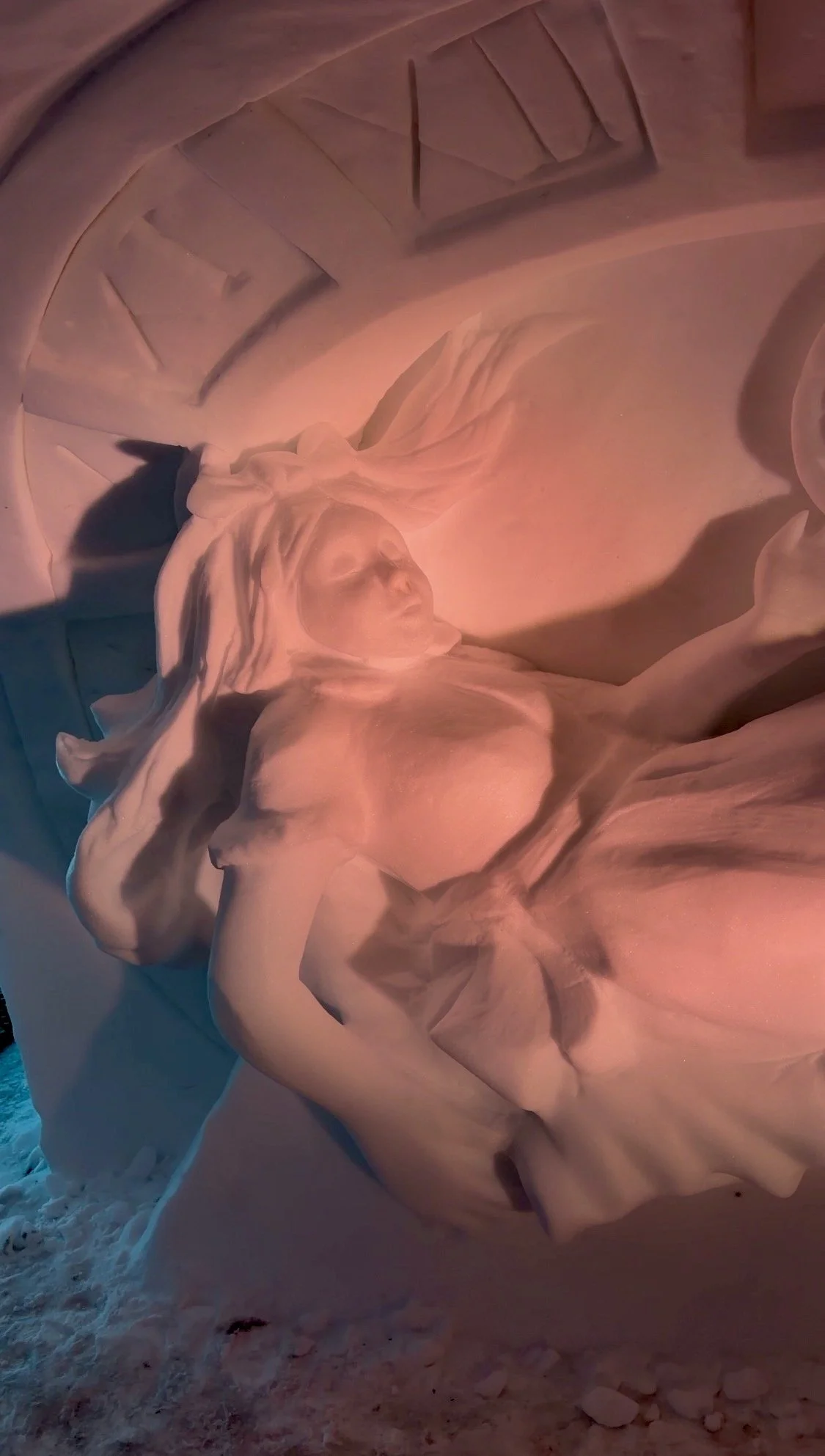
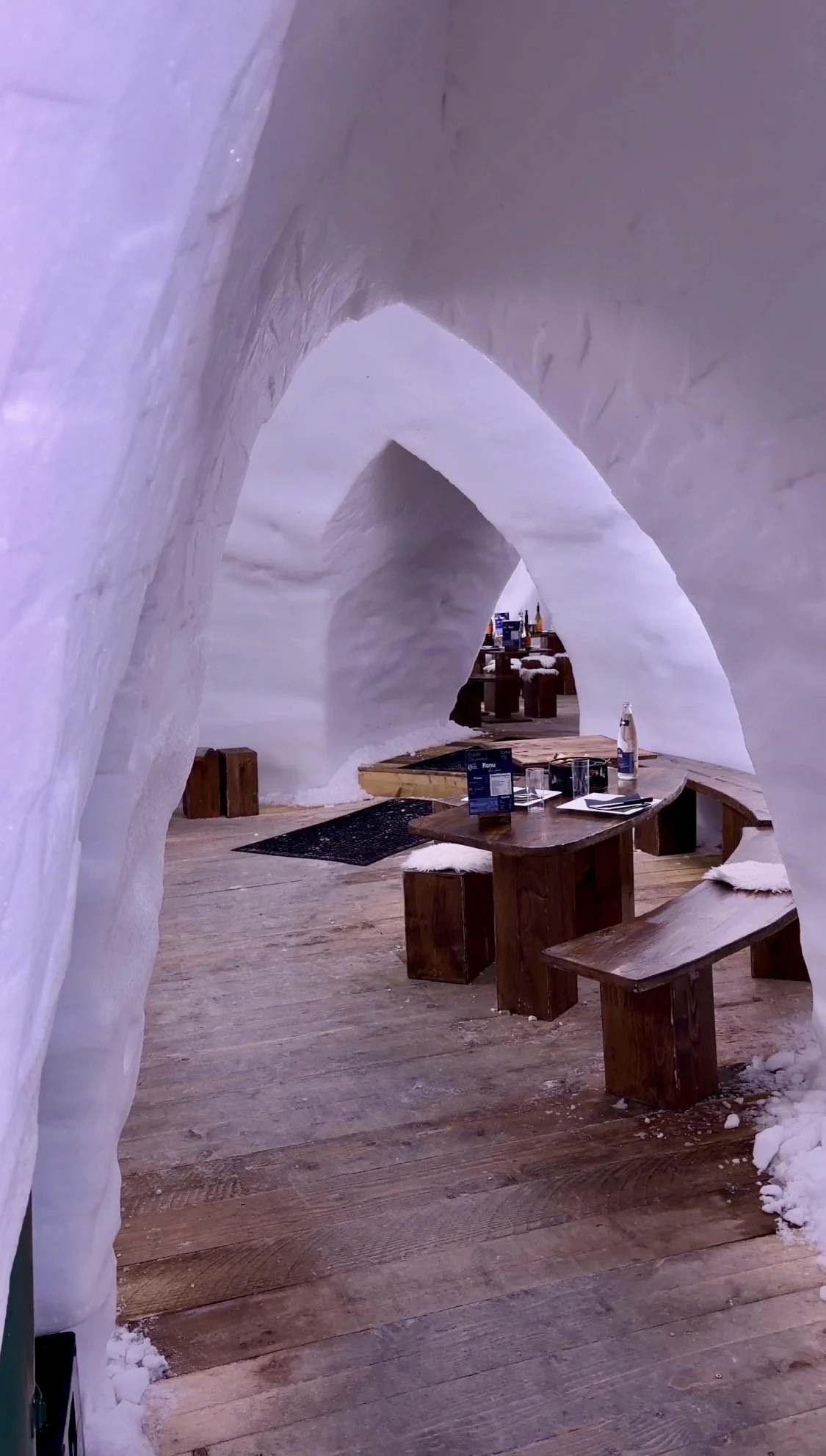
The igloo village itself is wonderfully strange and proudly not luxurious. Before dinner, you wander through a thoughtfully curated exhibit of ice art, glowing softly and quietly impressive in a way that feels earned rather than flashy. It is playful, a little surreal, and exactly what you hope an ice village might be.
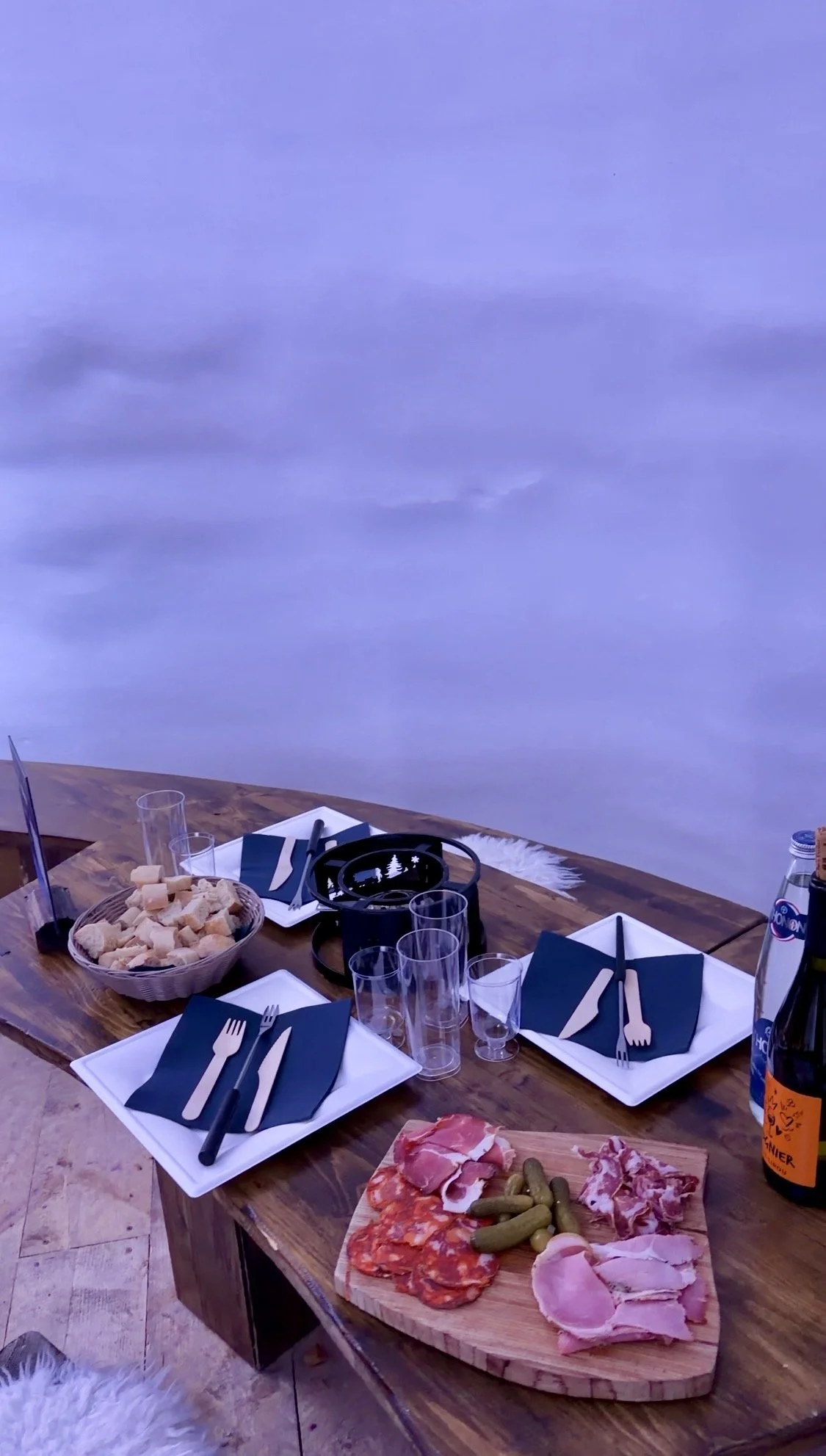
Dinner is a fixed affair and intentionally simple. Charcuterie, fondue, bread, wine, and soft drinks, all designed to support the experience rather than steal focus. This is not a place you come for culinary fireworks, it is about sitting inside a structure made of ice and soaking in the novelty.
Worth noting, you can also stop by just for a drink, as the village doubles as a slopeside bar and chill out spot right on piste. Even without dinner, it is a memorable pause in a ski day.
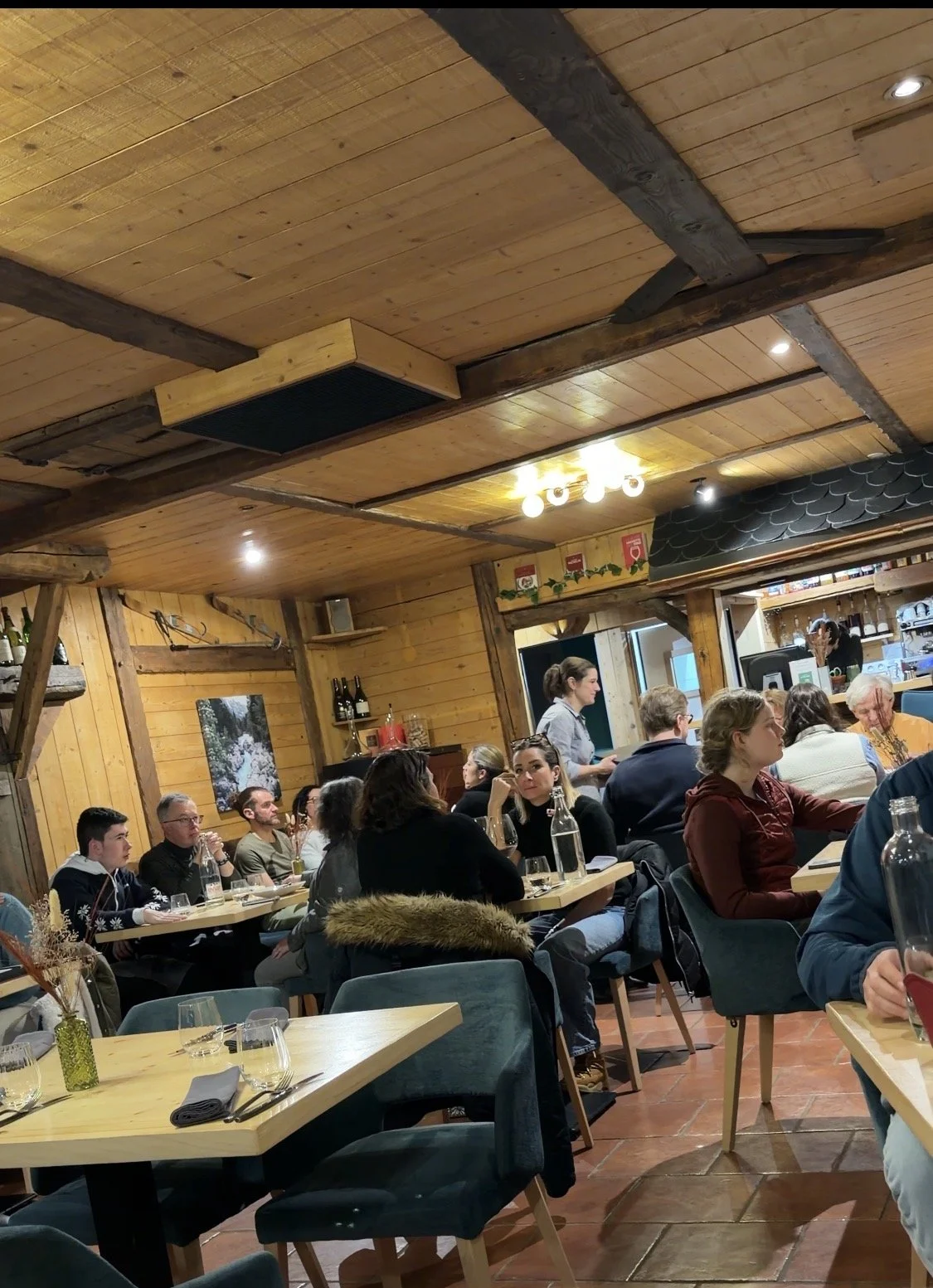
Le Savoy: Le Savoy sits right in the heart of Les Arcs 2000 village and feels like the kind of place you hope to stumble into after a long ski day. Warm, wood lined, and genuinely inviting, it has a quaint alpine charm that makes you want to linger rather than rush through a meal.
On certain nights there is live music, which adds an easy, festive energy if that is your vibe, without tipping into chaos.
The food is confidently well executed, thoughtful without trying too hard, and exactly what you want in this setting. Everything lands where it should, which is not always a given in resort villages. In a place where options can feel predictable, Le Savoy stands out as a reliable, cozy favorite.
Belliou La Fumee: Dinner at Belliou La Fumée feels like being let in on a quiet alpine secret. While it is known for on piste dining during the day, the real magic happens at night, when an intimate dinner is offered just once a week. Transportation is included, which already sets the tone for a relaxed, well considered experience.
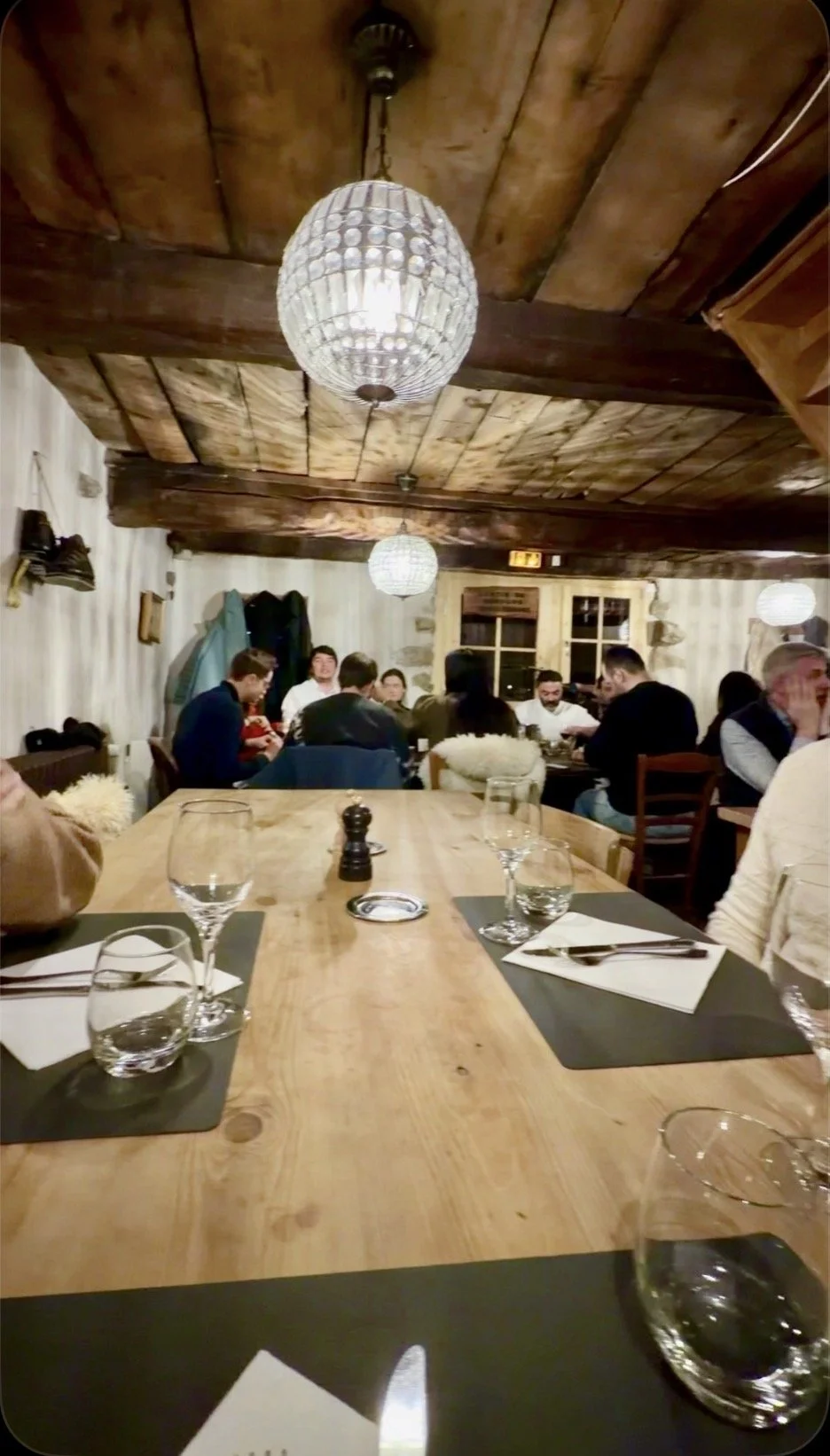
You arrive at a quaint alpine house that feels straight out of a winter postcard with a tiny door. Downstairs, a glowing fireplace anchors the room, casting just enough warmth and light to make everyone instantly settle in. The ambiance is cozy, unpretentious, and exactly what you want after a day on the mountain.
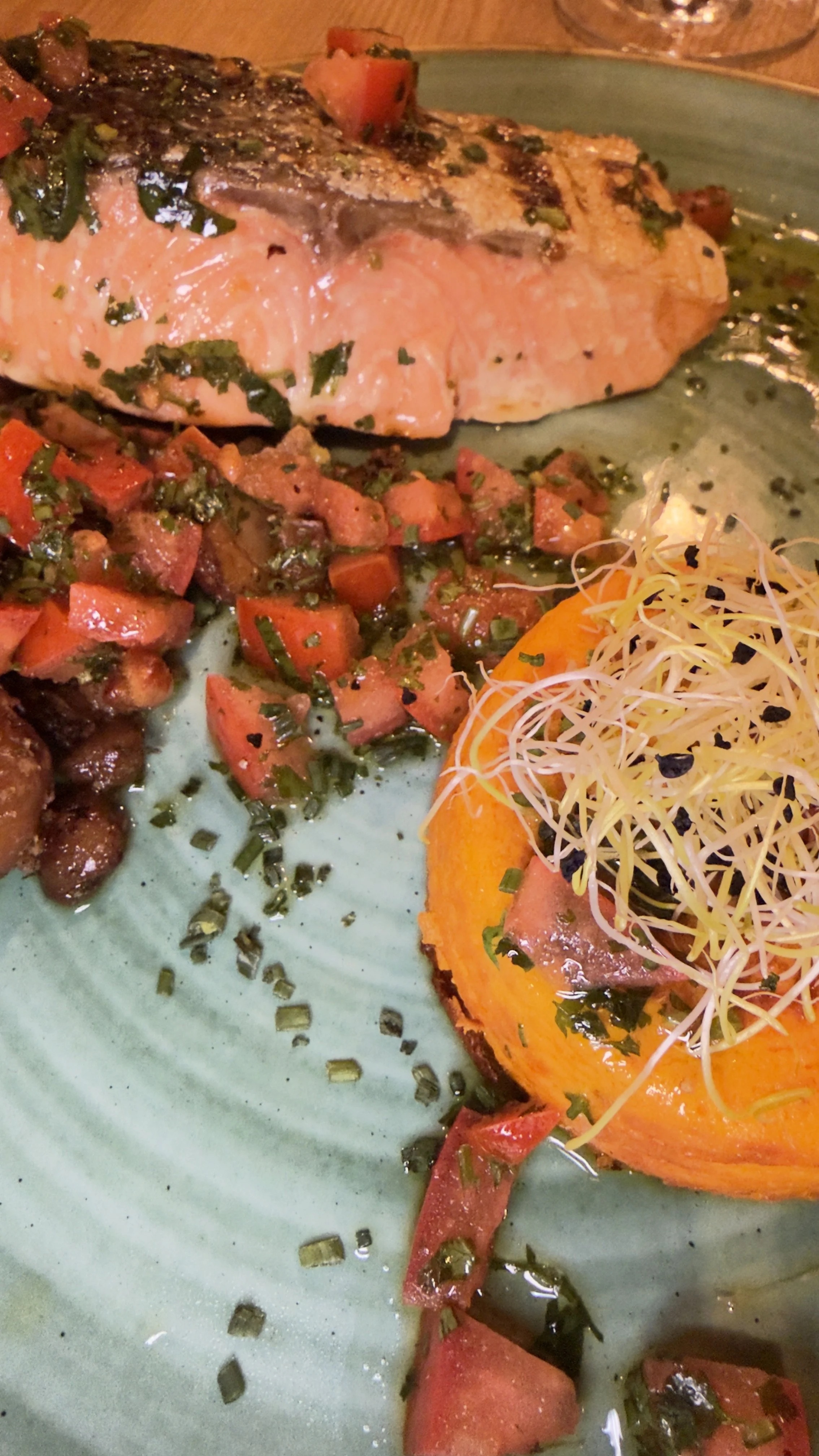
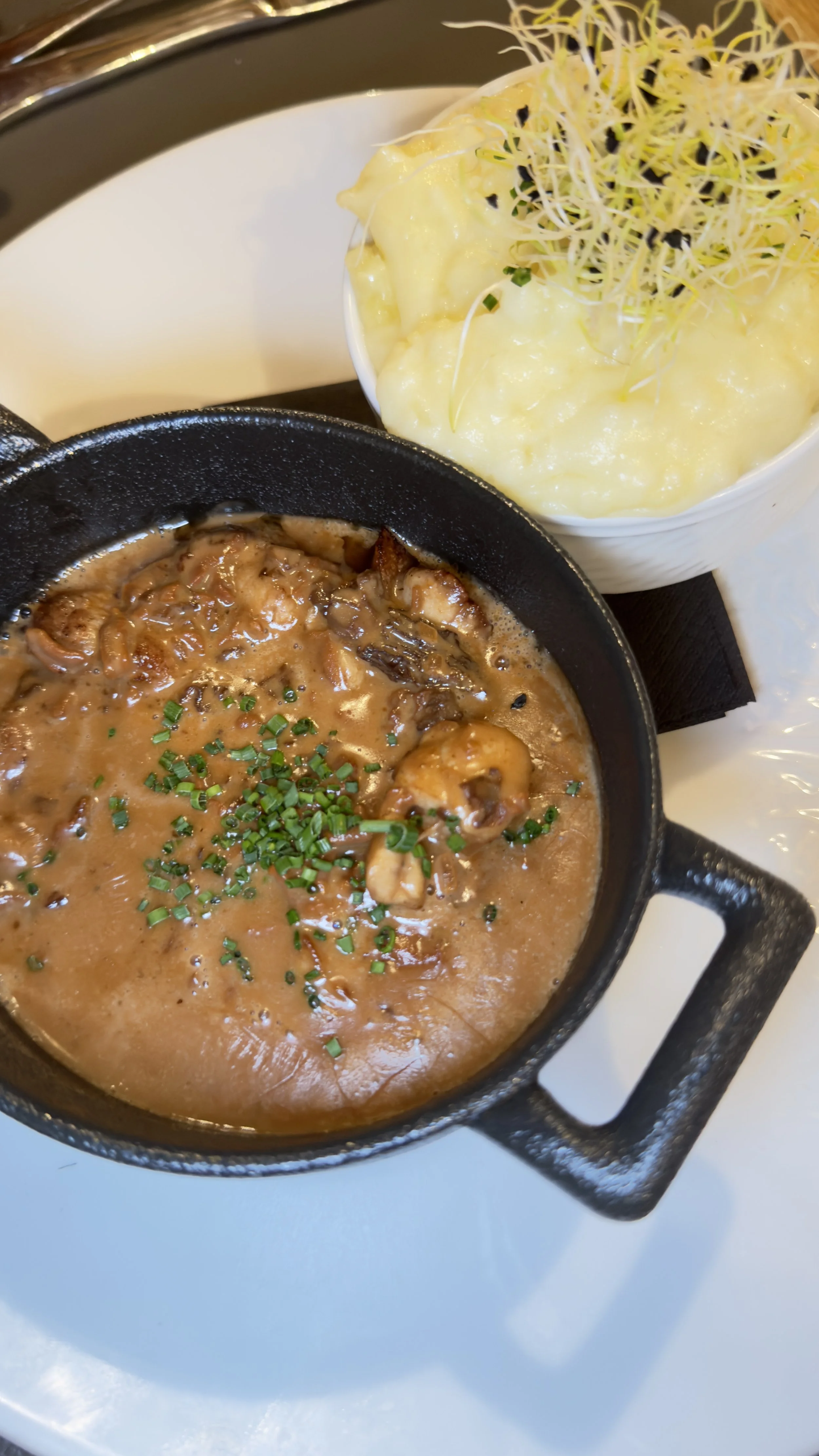
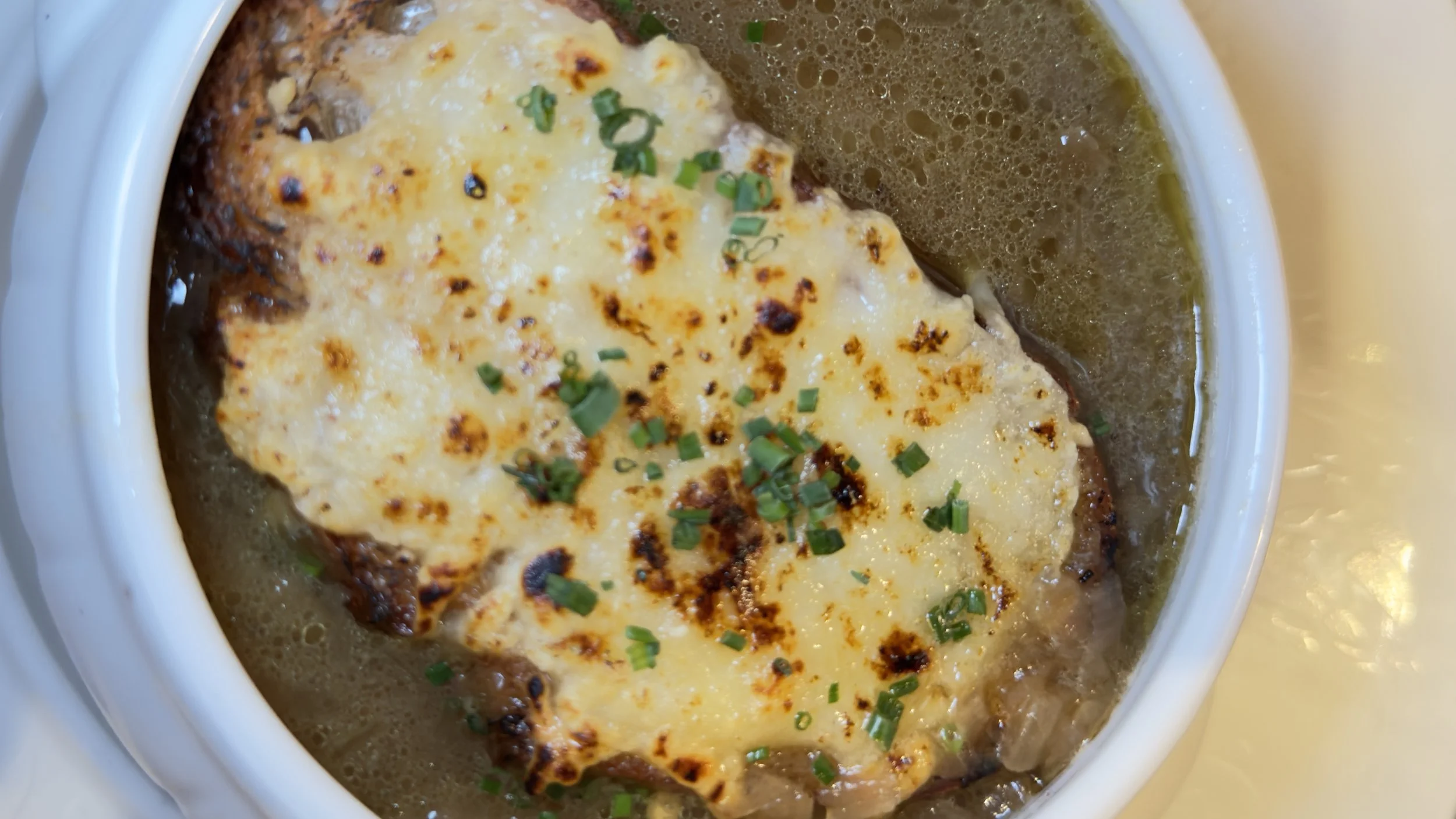
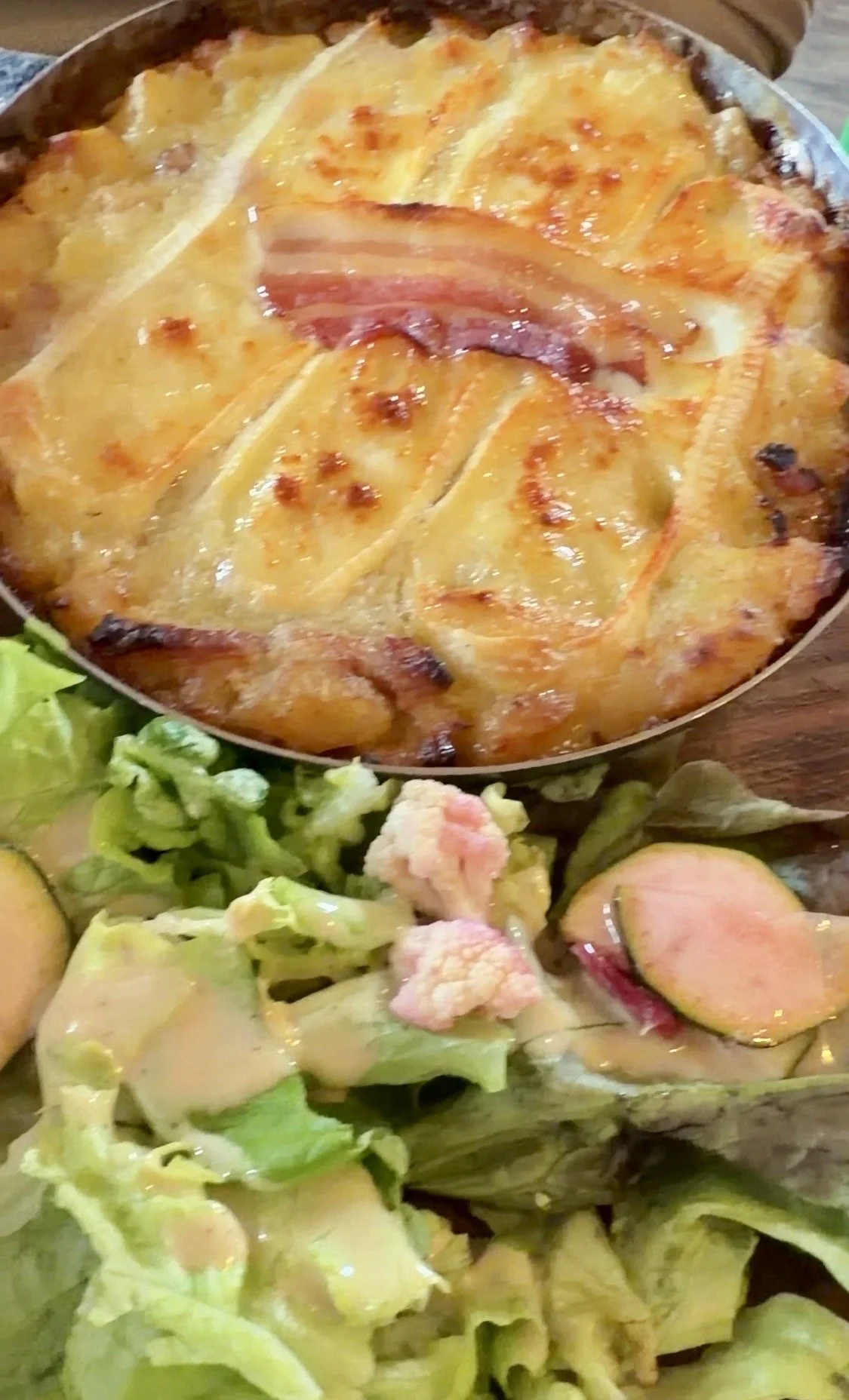
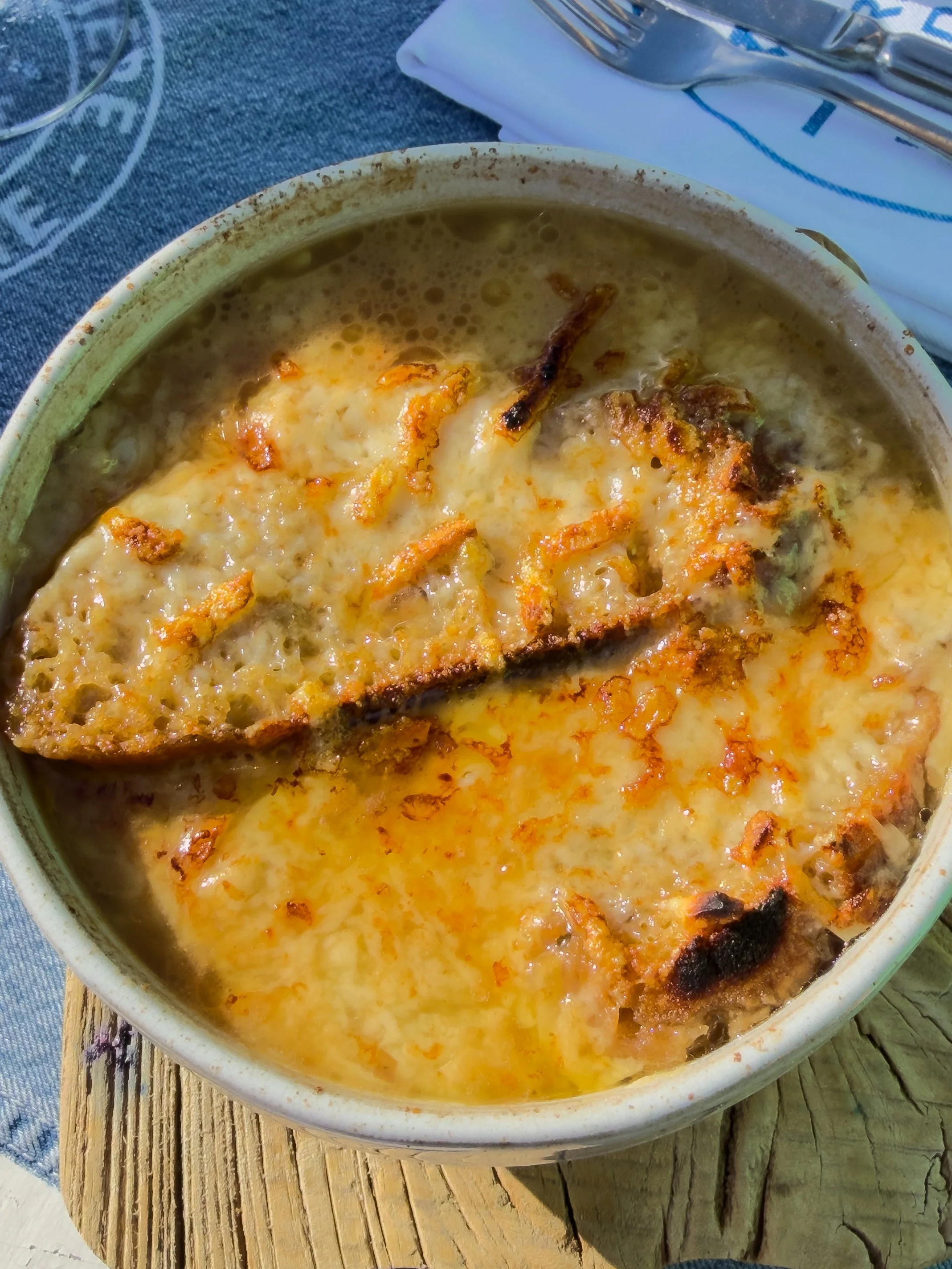
The food delivers. Start with the onion soup, no exceptions. Deep, rich, and soul warming, it alone justifies the trip. Everything that followed was delicious and thoughtfully prepared, the kind of meal that feels satisfying without being heavy handed.
What truly elevated the night was the service. Our server was wonderfully welcoming and genuinely personable, adding an ease and warmth that cannot be faked.
Where We Ate (On Piste)
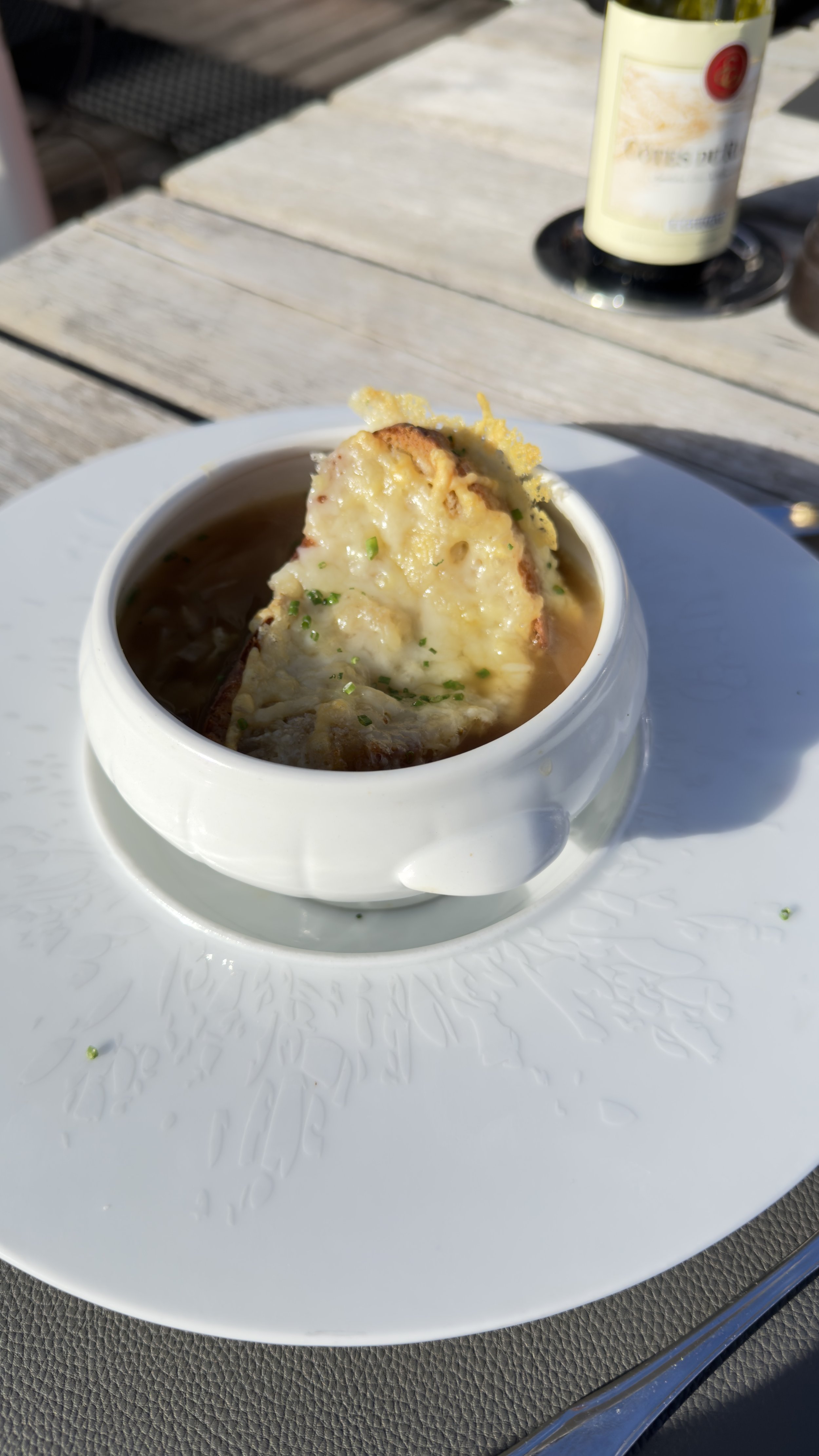
Belliou La Fumee: Lunch at Belliou La Fumée felt like the kind of pitstop that lets you hop off your skis and in the blink of a eye be seated in the sunshine soaking in the scenery. The onion soup is the non negotiable order. Deep, rich, properly brooded over, and finished with a golden lid of cheese and toast that does all the heavy lifting.
The patio is the real star. Sun soaked, unhurried and welcoming. It is the kind of place where lunch quietly stretches into mid afternoon without anyone checking the time.
Easy food, warm light, zero rush. Exactly how a good lunch stop should feel.
B.O.B (Beautiful Organic Break): sits right where you want it to be, perched at the top of the gondola and perfectly timed for a mid ski reset. It is the kind of place you spot from the lift and immediately start planning your stop.
Order the hot chocolate with whipped cream. It is unapologetically cozy and exactly what your hands and mood need before heading back out. The organic sandwiches and snacks are simple, well done, and easy to grab without overthinking the decision.
The views are the closer here. Panoramic from both the sun splashed patio and the indoor dining room, it feels calm and expansive at the same time. No reservations, no stress, just roll in and settle. In Les Arcs, that alone makes it a win.
B.O.B is part of the Maison Falcoz restaurant group.
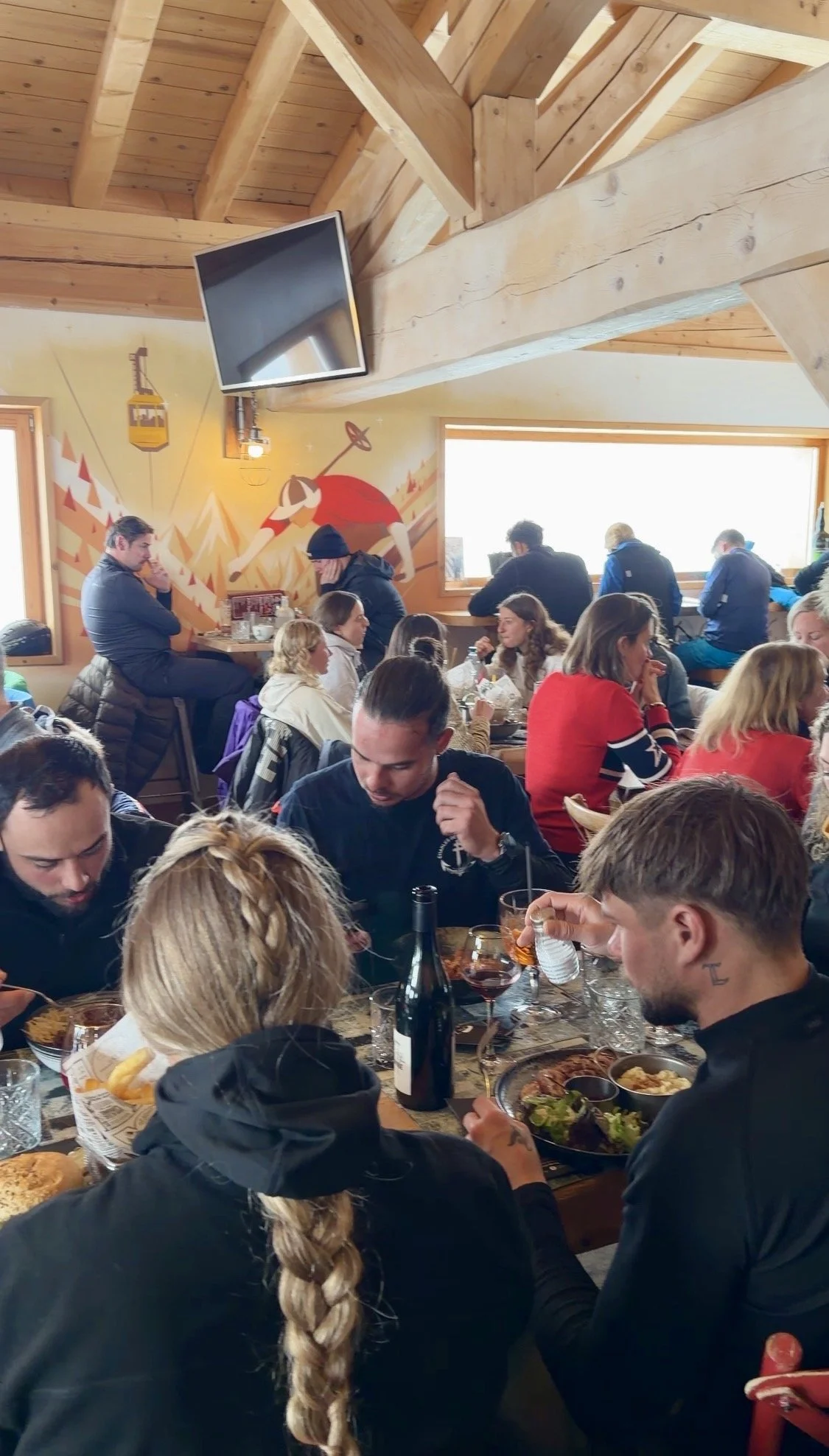
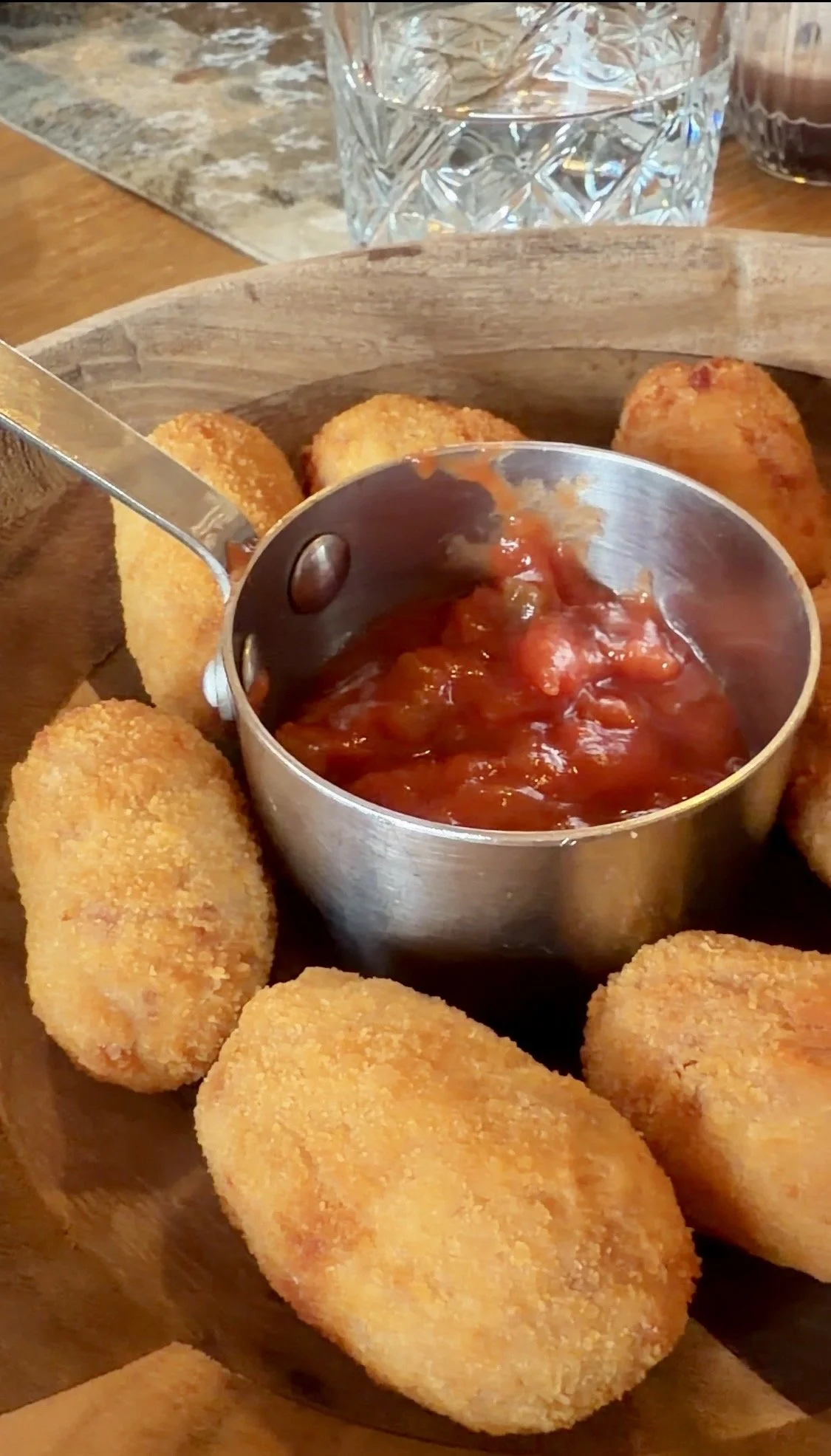
Chalet Grillette: Chalet Grillette is clearly doing something right. Even on a rough weather day, the place was buzzing. We were seated inside, warm and packed in, while the patio sat just out of reach, clearly built for sunnier afternoons and long lunches. We visited this spot twice during our week of skiing.
Reservations are not optional here. The room was full, the energy high, and more than a few hopeful diners were politely turned away at the door. That alone tells you everything you need to know.
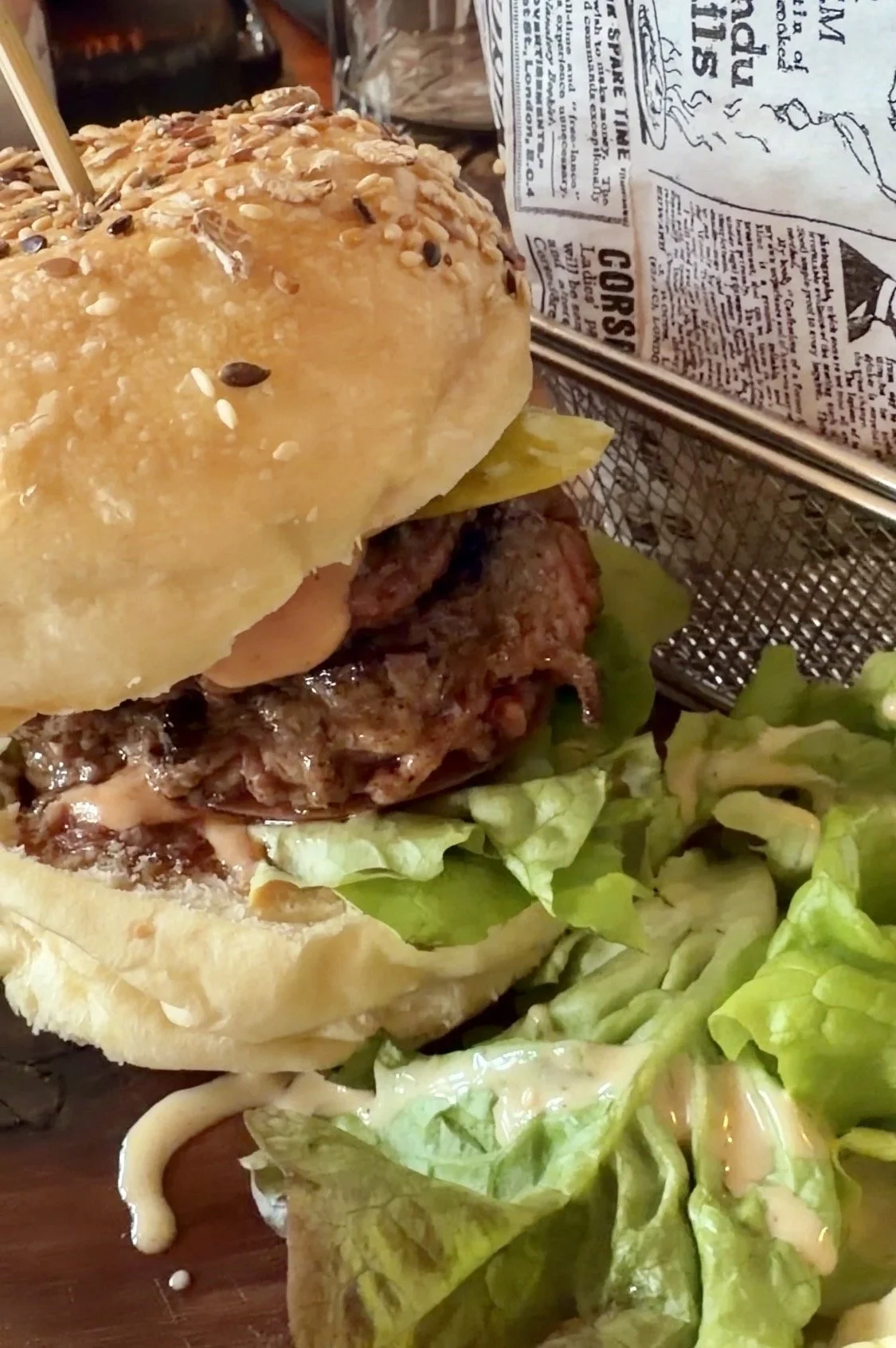
The burger is the headline act. Juicy, indulgent, and worth the hype. The rest of the menu holds its own too, solid across the board and deeply satisfying after a long ski morning. Busy, loud, and very good. Exactly the kind of alpine chaos you want.
La Folie Douce: No trip to a serious ski resort in France is complete without a stop at La Folie Douce. It is less après ski, more full scale alpine spectacle. You come for a drink and end up in the middle of a live production.
Magicians weave through the crowd. Aerialists spin overhead. Singers belt it out like you are front row at a festival. Then the DJ takes over and suddenly the entire terrace feels like one big, snow booted dance floor.
We booked an earlier table so we could catch the last lift back to our side of the mountain, which felt civilized and strategic. Stay later and the volume rises, inhibitions drop, and yes, people absolutely start dancing on tables. Through all of it, the food was solid and the service impressively dialed in for a venue of this scale.
Big energy, big production, zero subtlety. Exactly the point.
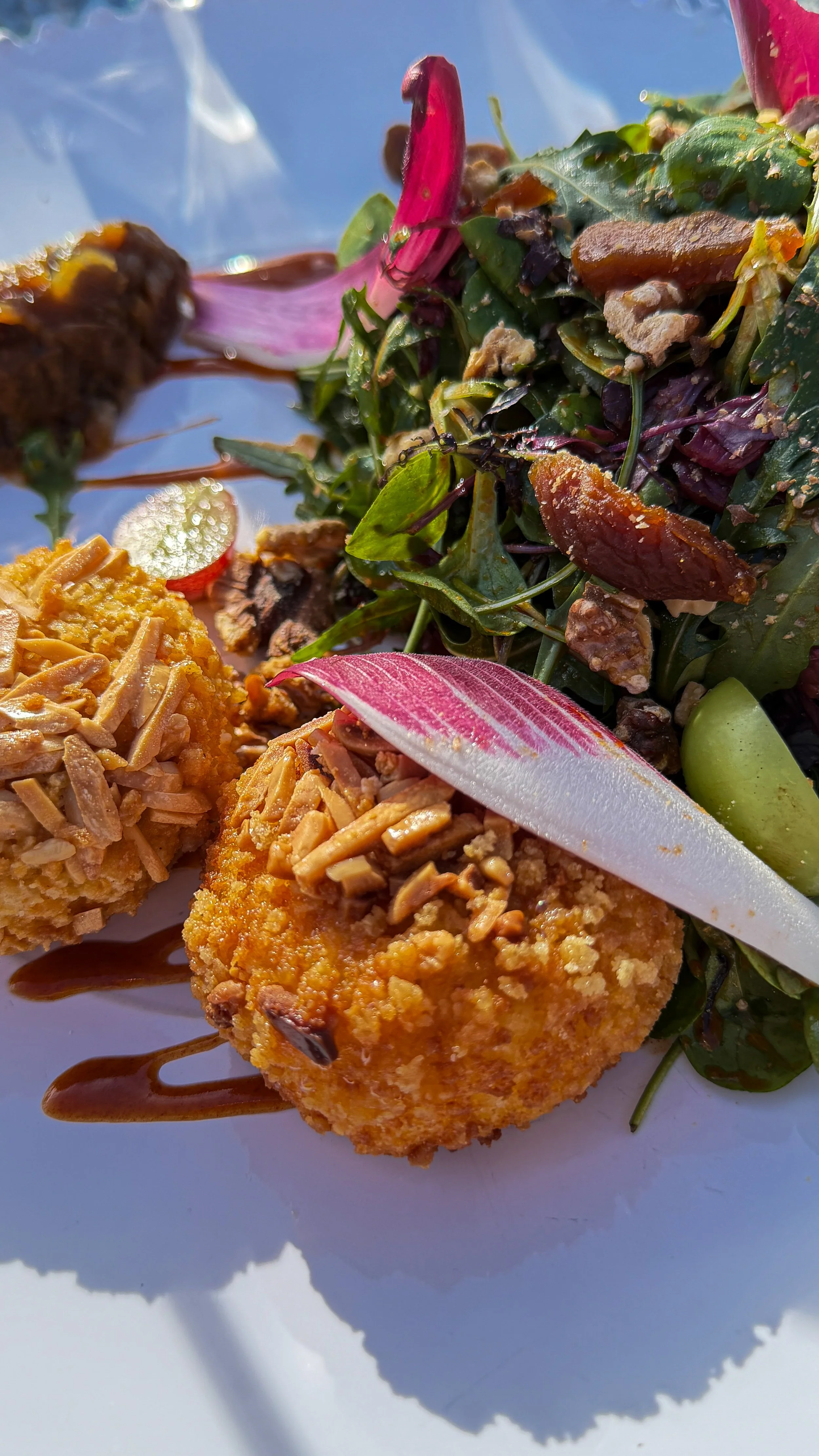
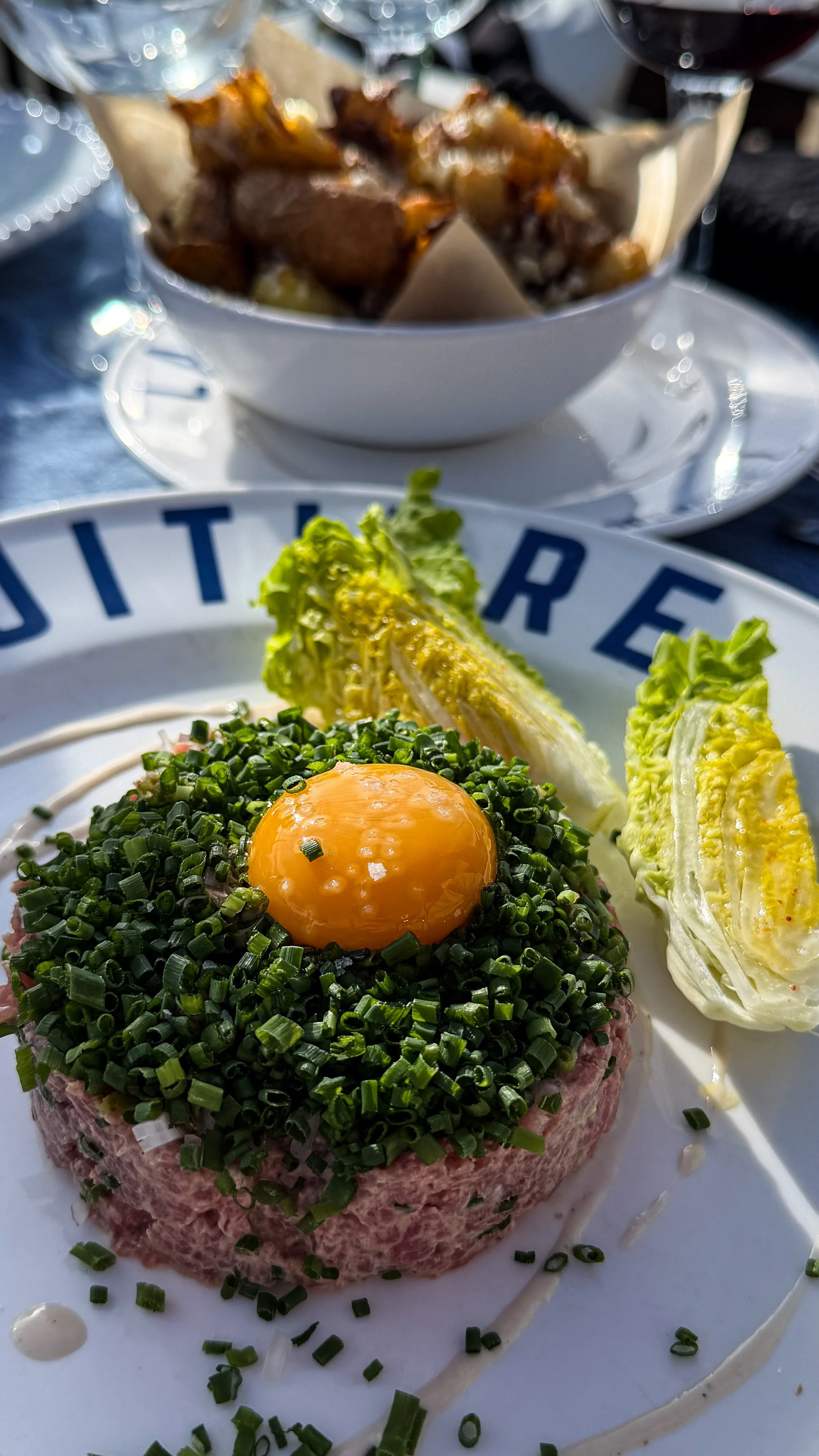
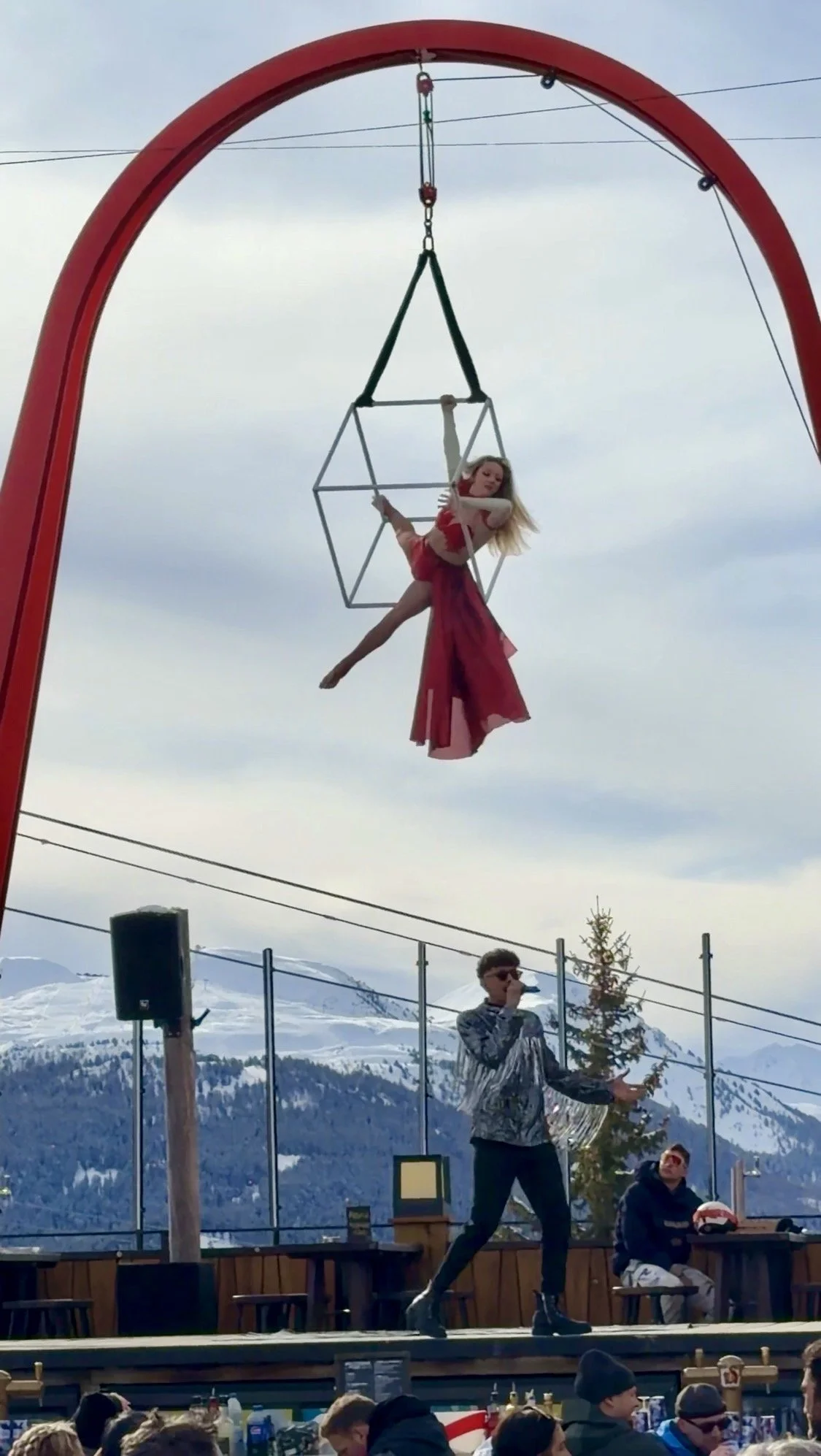
Les Chalets De L’Arc: Les Chalets de l’Arc is one of four venues from the Maison Falcoz group, and it shows. There is a polish here that feels intentional without being stiff, the kind of place that knows exactly what it is doing.
The outdoor patio is the headline. Wide open alpine views, sun on your face, skis propped nearby, and plates that actually live up to the setting. The food is thoughtful and beautifully executed, the service warm and sharp even at peak hours. It feels celebratory without trying too hard.
Reservations are essential. Tables fill quickly and for good reason. If you are mapping out your Les Arcs lineup, this is a non negotiable stop.
The Ski Experience
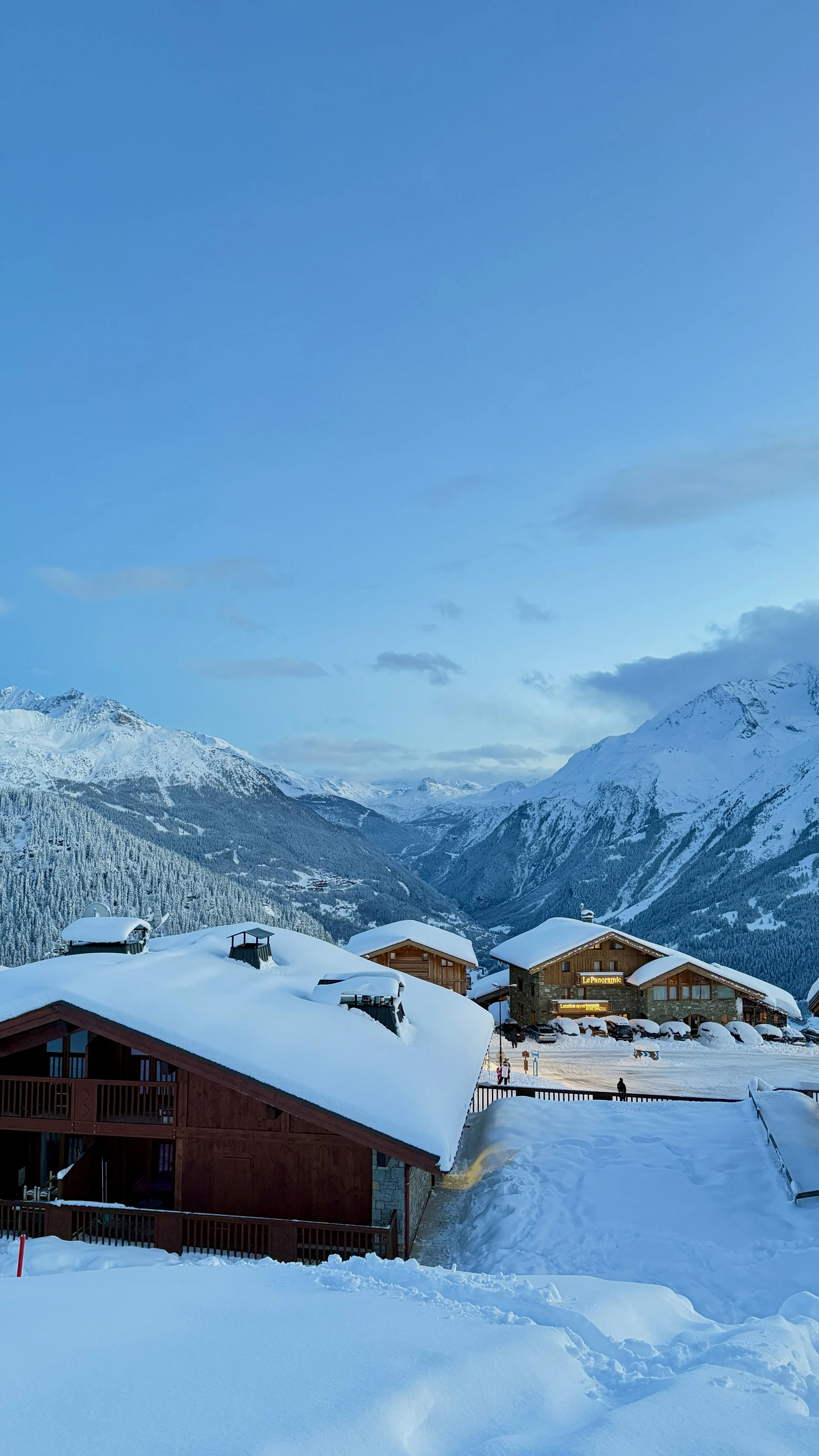
Skiing in Les Arcs feels cinematic in the best way. The vistas are almost distracting, all jagged peaks and wide open bowls that look like someone turned the contrast up a notch. On a clear day, you pause not because you are tired, but because it would be rude not to take it in. I cannot count the number of times I turned to someone and said “wow thats stunning”.
We lucked out with outstanding conditions. Groomers were crisp, off piste pockets held their own, and everything felt beautifully maintained. The lift infrastructure is modern and efficient, which means more skiing, less waiting. Even better, the seamless linkage across Arc 1600, Arc 1800, Arc 1950, Arc 2000, and Peisey Vallandry makes exploring feel effortless. Hop on the Vanoise Express and you can even glide straight into La Plagne, opening up the full Paradiski playground in a single day.
There are beginner zones to get your bearings, but the mountain really shines for intermediate skiers and above. Long, confidence building runs with enough pitch and variation to keep strong skiers happy. We would absolutely ski here again. Big terrain, big views, and the kind of flow that makes you want just one more run.La Rosière
La Rosière
Why we chose it
When mapping out the tail end of our ski trip, we flirted with the idea of squeezing in another European city. Amsterdam, Antwerp, Brussels. All tempting. All requiring a return to Paris first, plus the joy of navigating trains, platforms, and cobblestones with full ski gear in tow. Hard pass.
La Rosière made far more sense. A smooth pivot instead of a logistical marathon. It gave us a fresh mountain without the intensity of Les Arcs, a slightly softer rhythm to wind things down.
The vibe here feels lighter, more relaxed, less production and more panorama. Wide runs, sunny exposures, and a gentler energy that worked perfectly as a final chapter before heading back to Paris. Sometimes the smartest travel move is the one that keeps things simple.
A simple Taxi transfer form our Les Arcs lodging was approximately one hour and was arranged by our hotel.
Where we stayed
Hotel Alparena: Alparena is a 4 star property and one of the highest rated hotels in La Rosière, which makes sense the moment you walk in. It feels like the modern counterpoint to the classic alpine chalet. Clean architectural lines, generous glass, and a design that leans contemporary without losing that mountain warmth. After the buzz of larger resorts, it felt polished and calm in all the right ways.
The staff set the tone immediately. Welcoming, attentive, and genuinely helpful without hovering. The spa is a standout, thoughtfully divided into adult and children zones so everyone gets what they need. Quiet steam rooms or roof top outdoor warm tubs for some, splash time for others. The ski room seals the deal with true ski in ski out access, which always feels like a small luxury at the start and end of the day.
It sits about a 15 minute walk from La Rosière proper, though the free public shuttle is just a short stroll away. Eucherts is even closer at about 10 minutes on foot. You are connected, but just far enough out to feel like you have your own alpine hideaway.
Where we ate
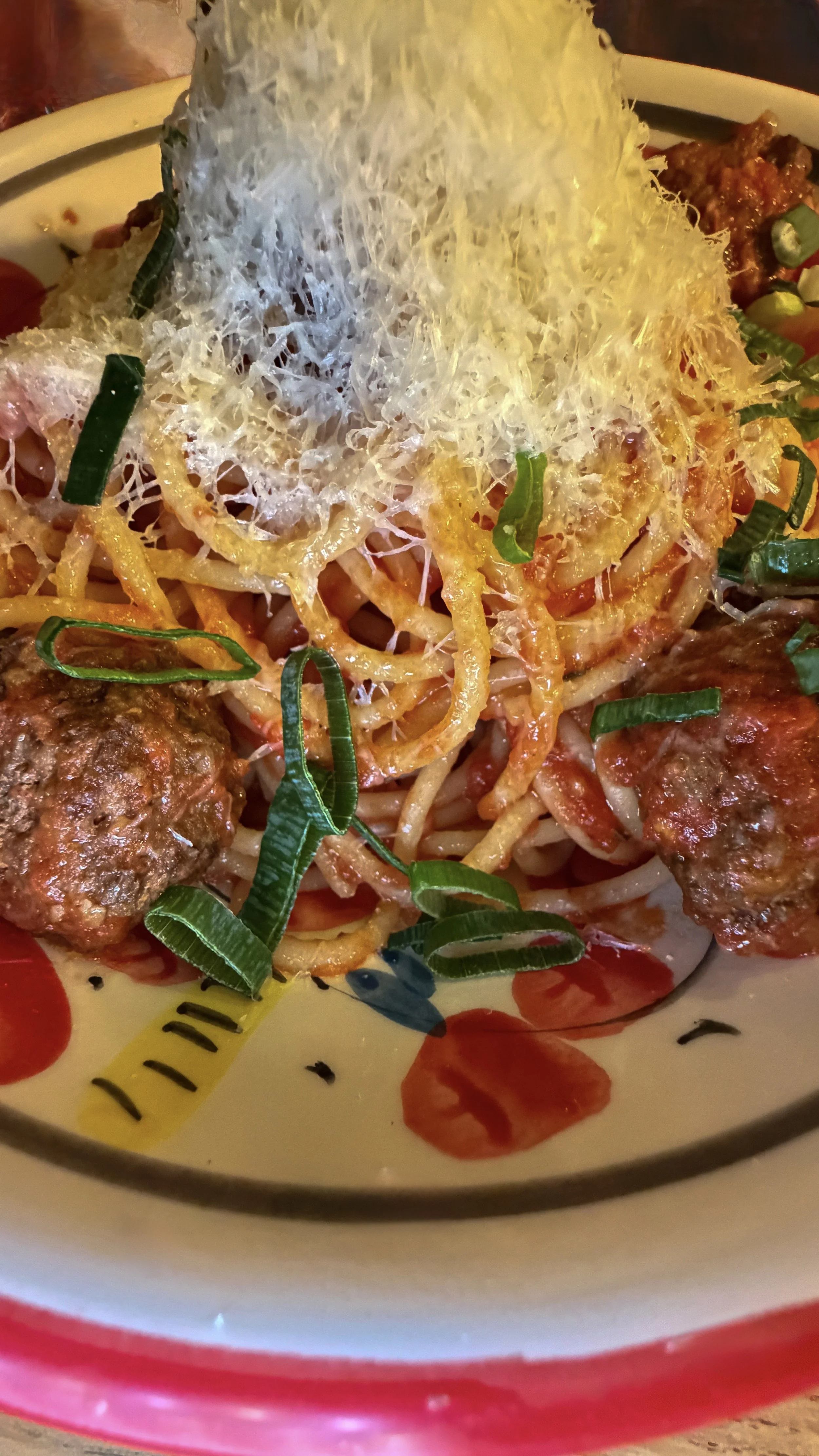
Rosa Ristorante: At Rosa’s in La Rosière, you can feel the Italian border inching closer with every bite. The menu leans proudly Italian, and the quality takes a noticeable step up. Suddenly the pasta has that proper bite, the tomato sauce tastes sun ripened instead of ski resort sweet,
We liked it enough to go twice, which says everything. Once could have been a fluke. Twice means you are thinking about it on the chairlift.
The room is lively, unfussy, and welcoming. Plates land hot, service moves with purpose, and the whole experience feels relaxed in the best way. In a week of mountain meals, Rosa’s stood out as the one that transported us just a little further south.
It is worth mentioning that this hotel was certainly family friendly and with that came kids of all ages. While there is a separate play room and spa area, if adult only is your cup of tea this hotel may not be for you.
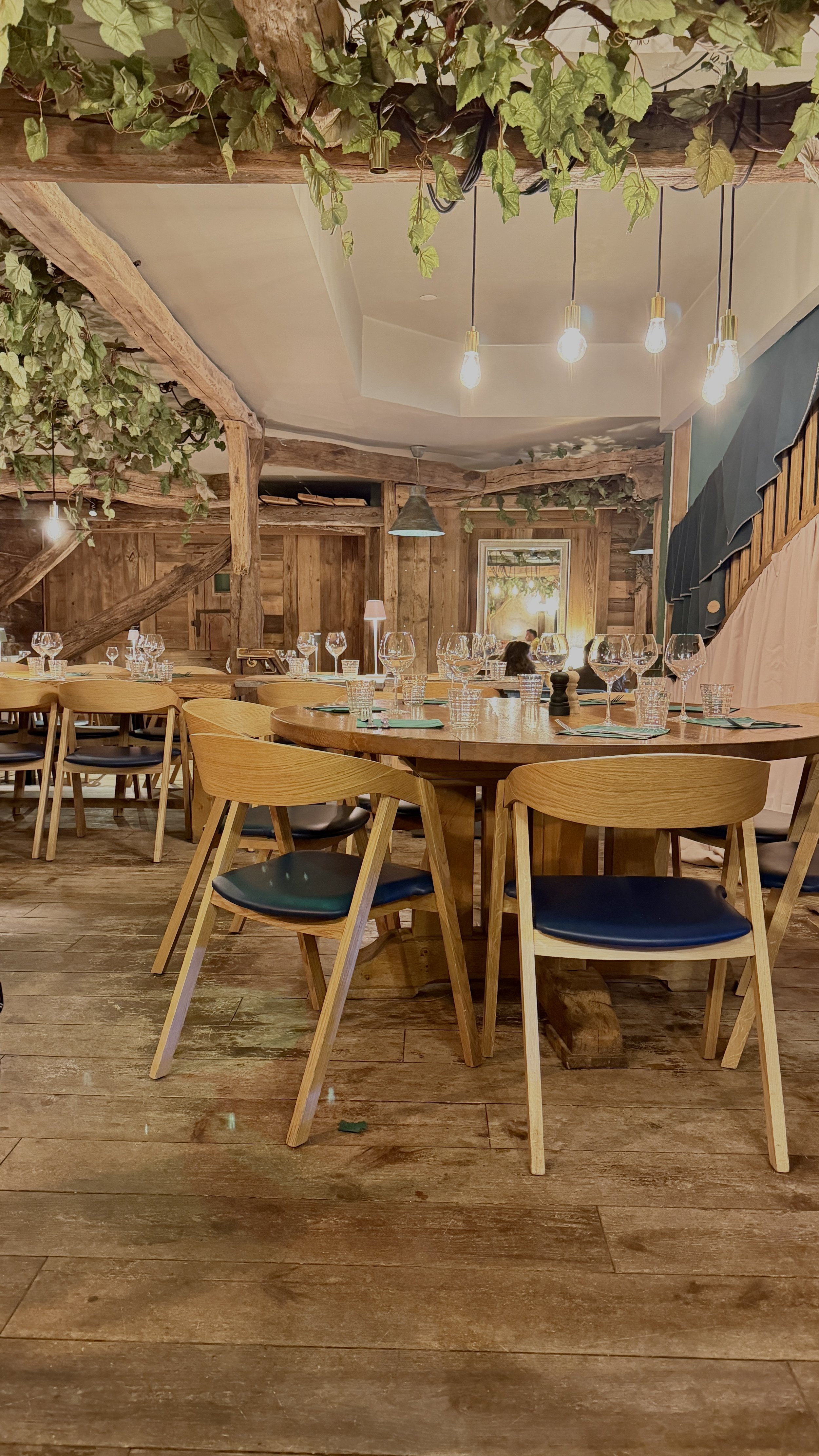
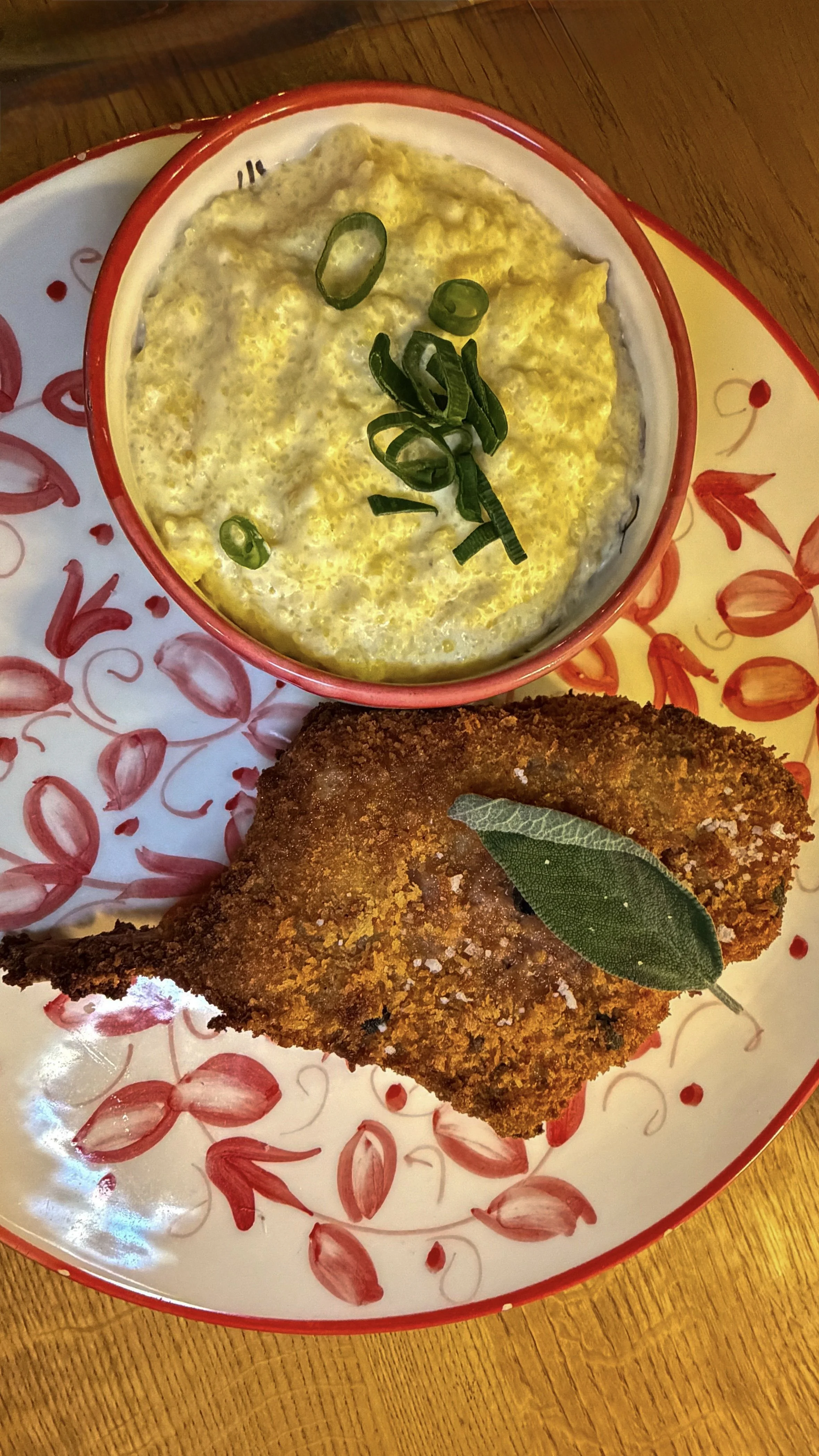
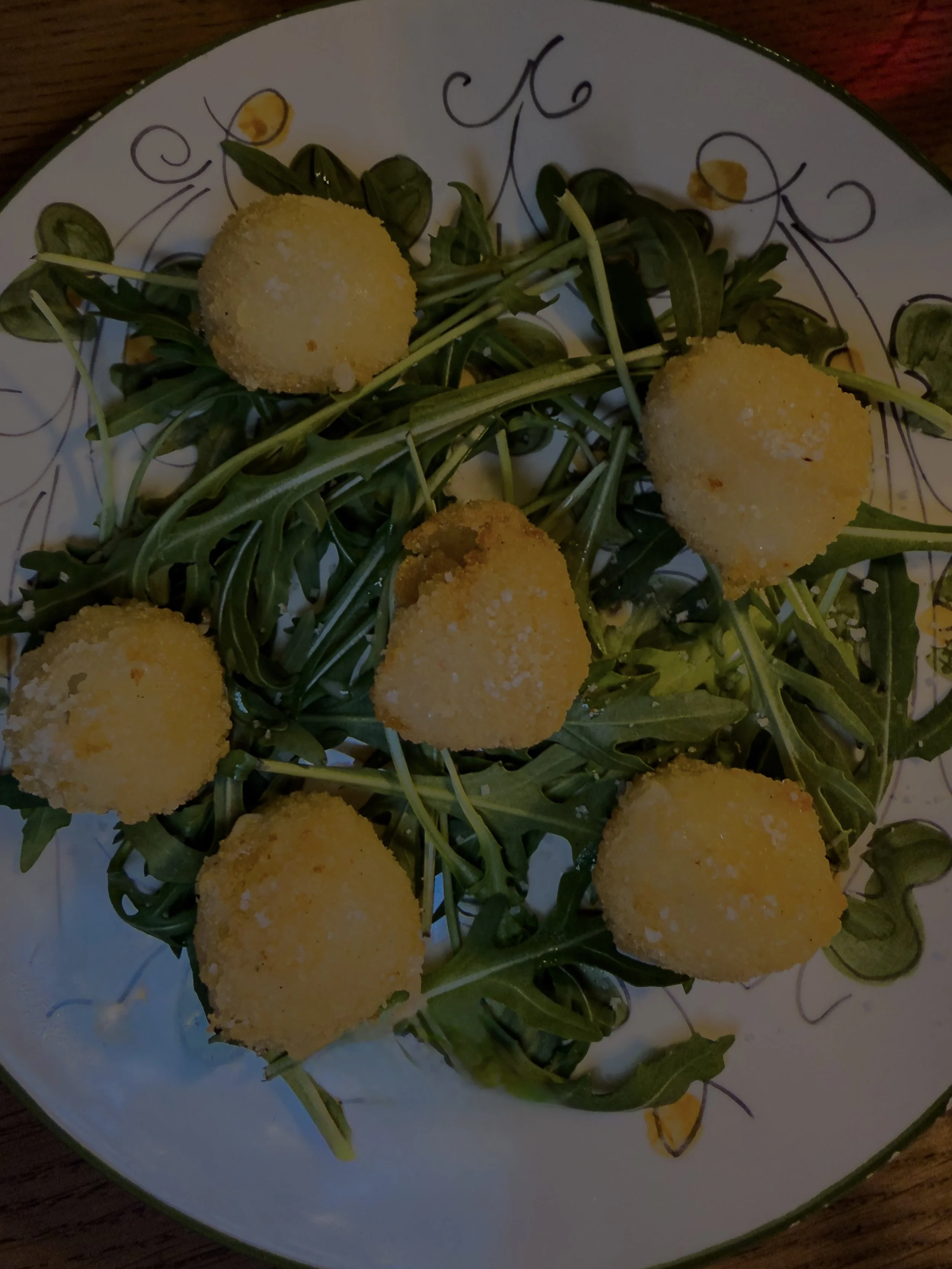
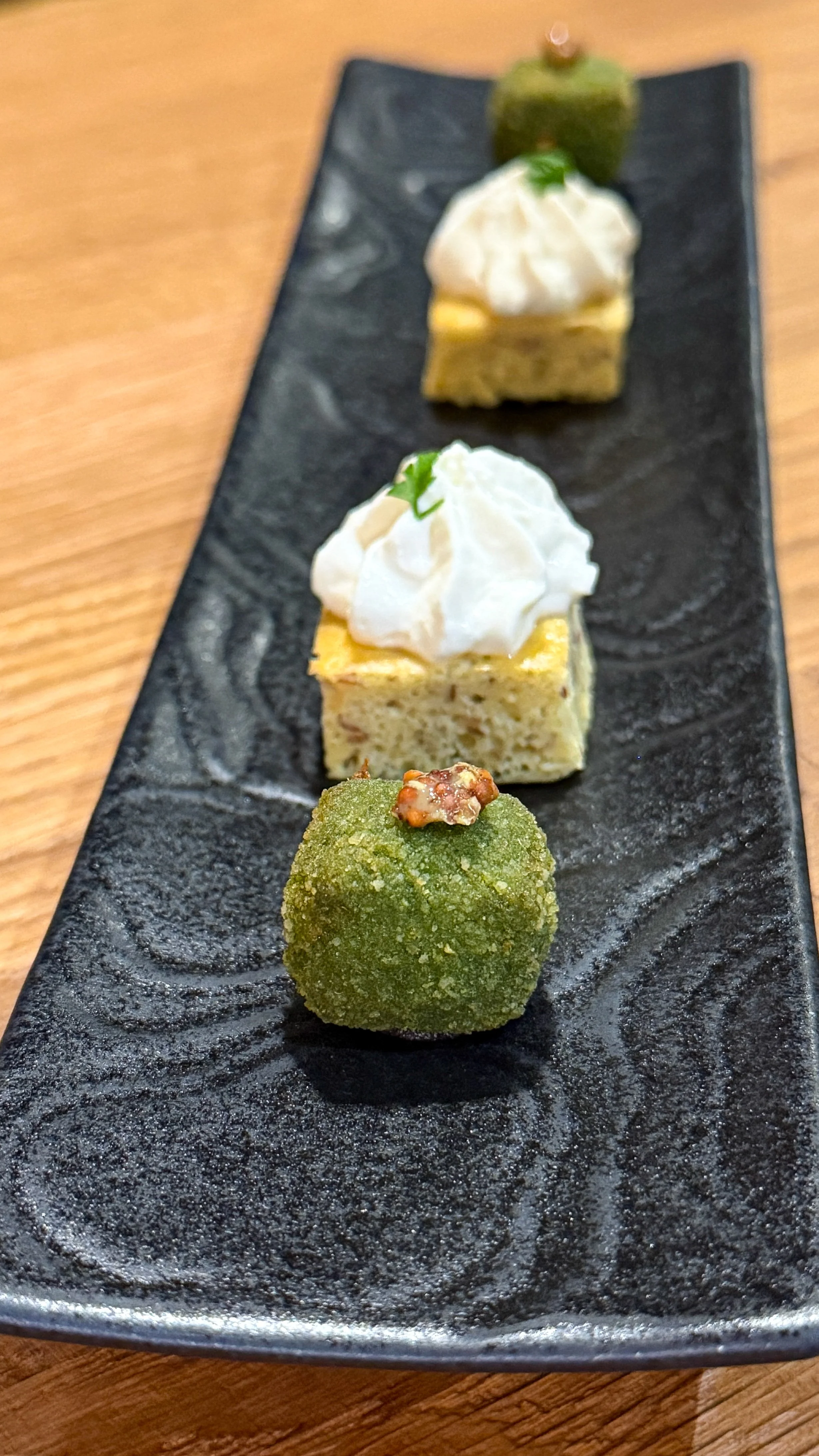
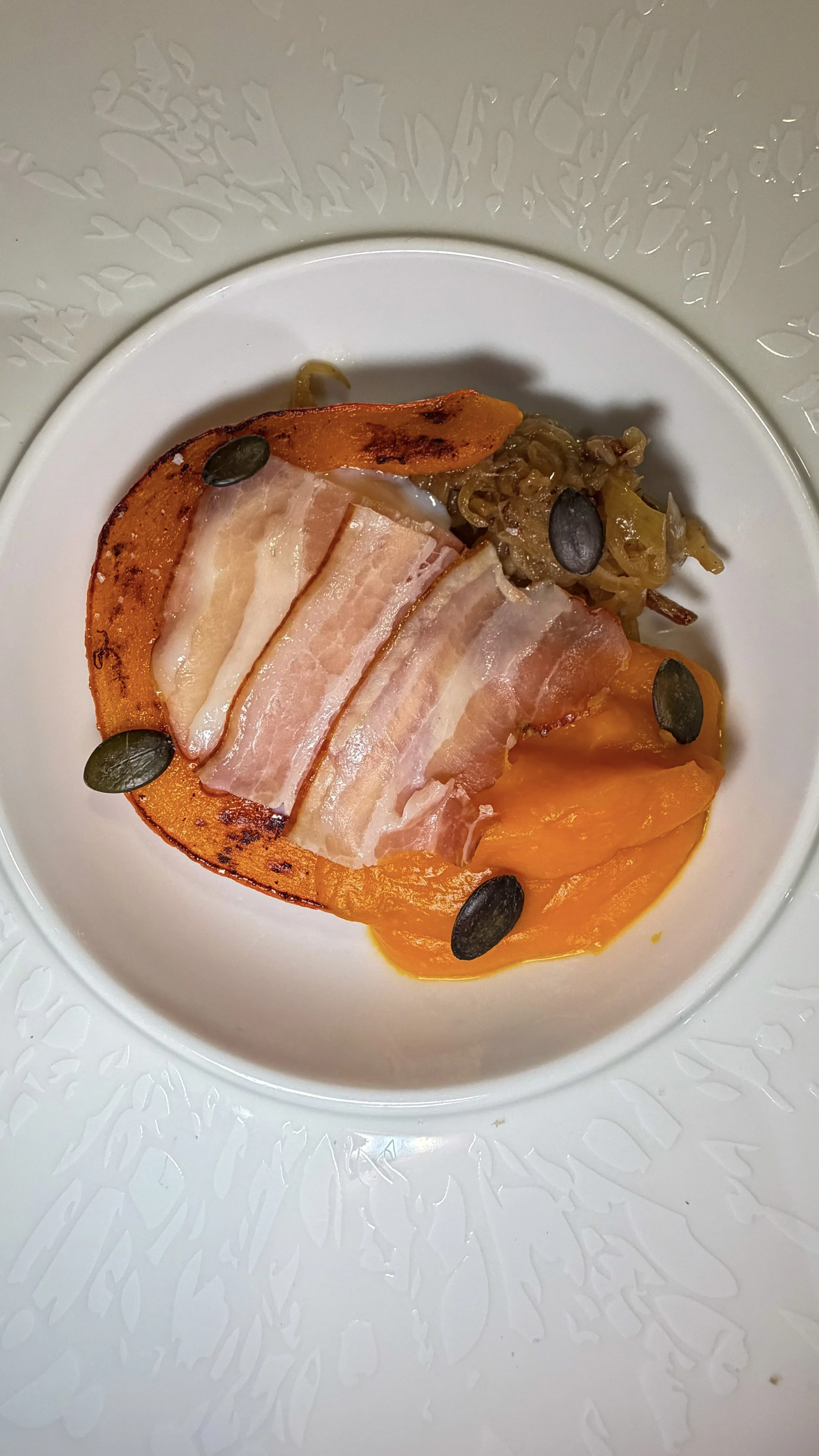
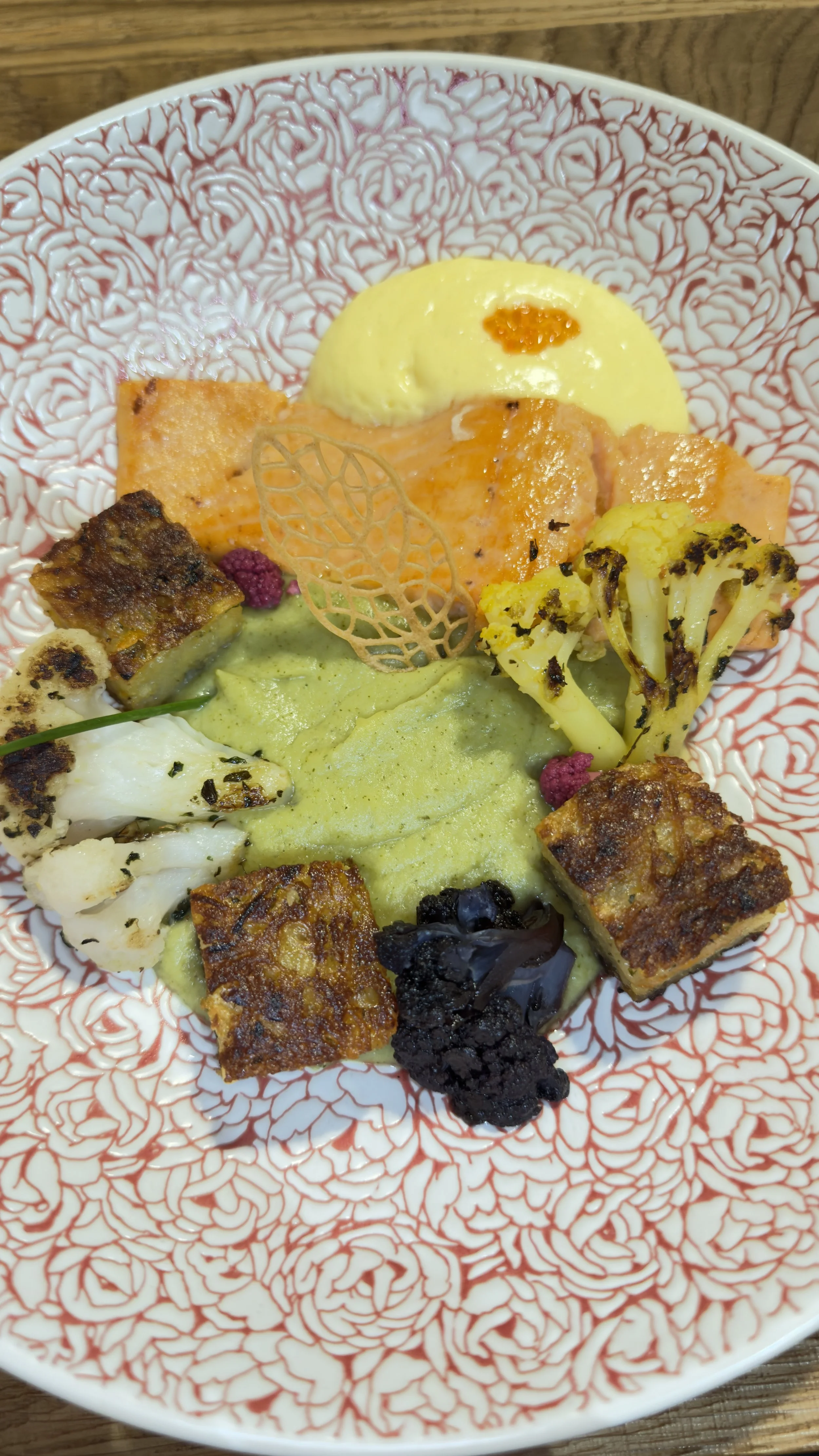
Le Terroir des Vignobles: is the kind of place you would walk right past if you did not know better. Tucked into an unassuming commercial shopping center, upstairs on the second floor, it does not scream fine dining. That is part of the charm.
There is a Michelin mention here, and once you sit down it makes sense. The decor is simple but warm, the staff friendly and deeply knowledgeable without a hint of pretense. You feel taken care of, not talked down to.
We opted for one of the tasting menus and it delivered. Delicate trout, beautifully prepared sweetbreads, foie gras that felt indulgent but balanced, and a “perfect egg” that lived up to its name. Each course felt thoughtful and elevated, proof that serious cooking can happen anywhere, even above a row of shops in a ski village.
Restaraunt Solario at the Alparena Hotel: Solario at Hôtel Alparena is one of those alpine dining rooms where the view competes with the menu. The Patio is a must on sunny clear day.
We only had time for a quick meal before departure, but even in fast forward the energy was undeniable. The terrace was buzzing and It felt like the place to see and be seen in the La Rosiere area.
If sunshine is in the forecast, book ahead. This is the kind of lunch that stretches into the afternoon if you let it. Come for the mountain air, stay for the scene. Reservations are a must.
Panoramic views from the Solario patio
The Ski Experience
La Rosière had instant appeal for one reason in particular. You can ski straight into Italy. The idea of gliding across a border for lunch felt very us. Two countries, one lift pass, zero passport control.
Mother Nature had other plans.
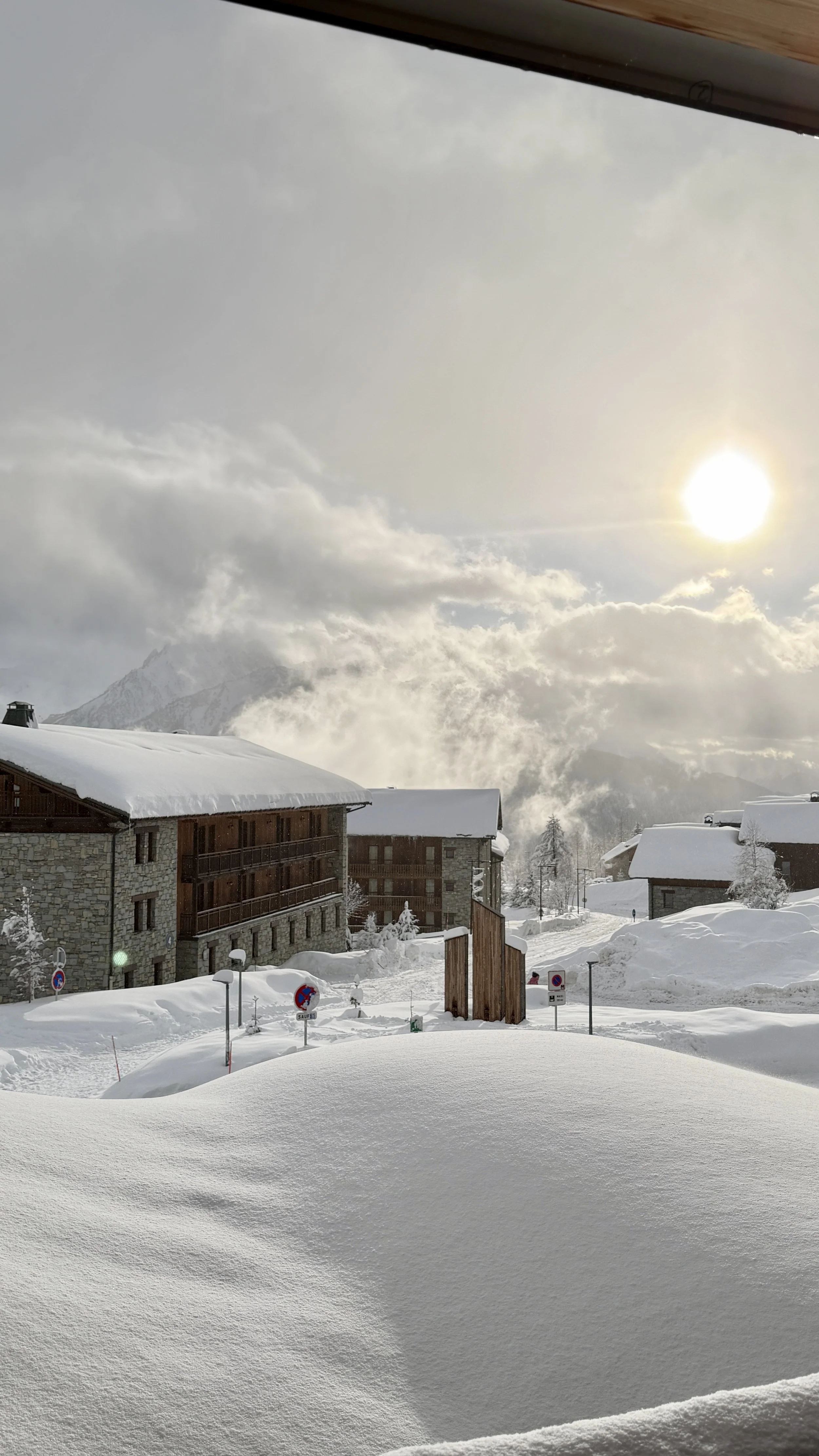
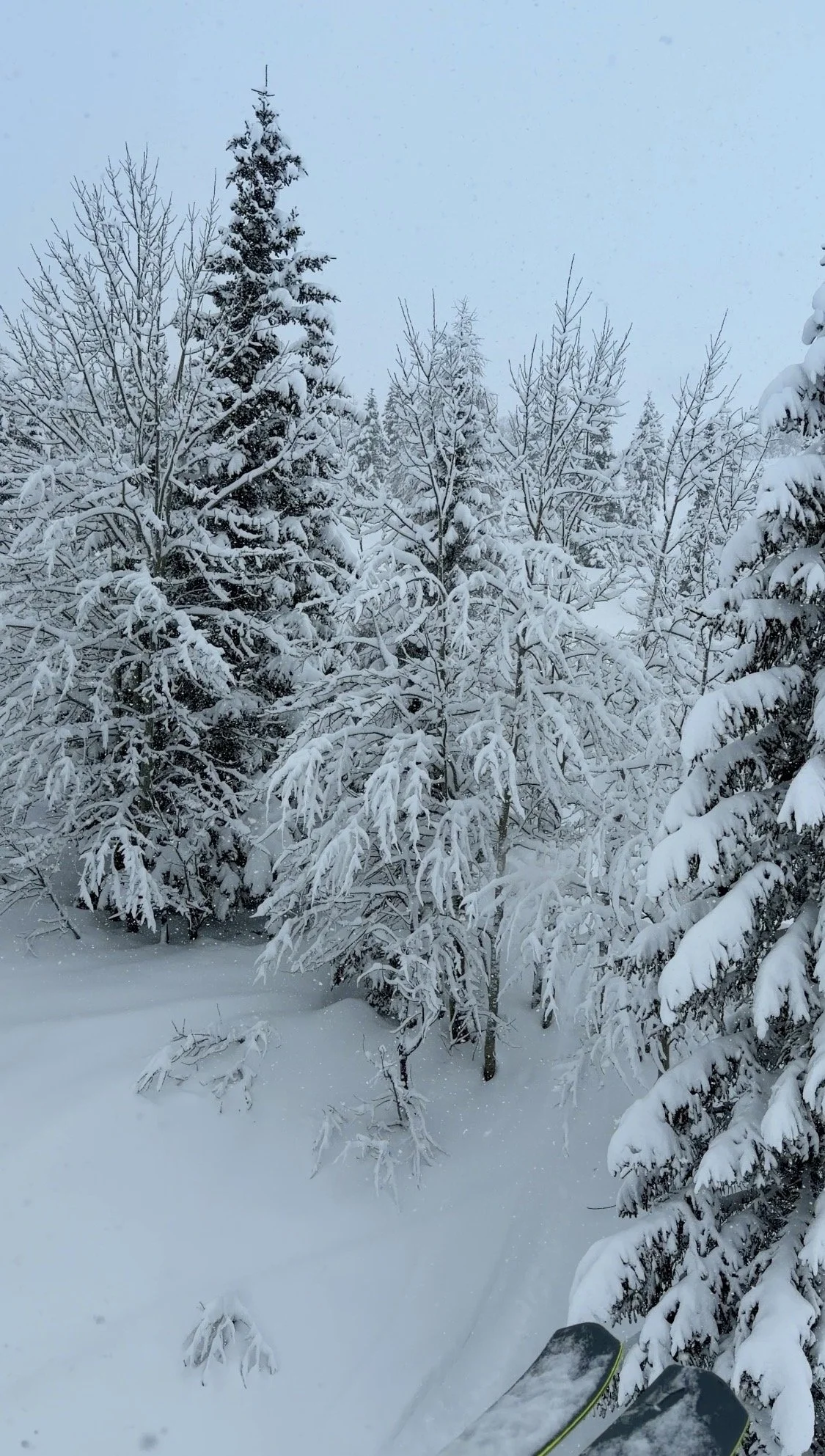
During our two days there, the snow did not stop. More than five feet fell, which sounds dreamy until you are inside it. Day one was a whiteout blur, legs working overtime while visibility worked against us. Beautiful, yes. Easy, not exactly.
By day two the avalanche risk hit level 5 and visibility remained poor, so we made the call to sit it out. Disappointing, but smart. Even without the perfect ski days, the cross border concept still wins. We would absolutely return for a sunnier shot at that French Italian glide.
We wandered the villages, explored some of the quaint stores, enjoyed the spa and watched in awe as the snow continued for hours on end.